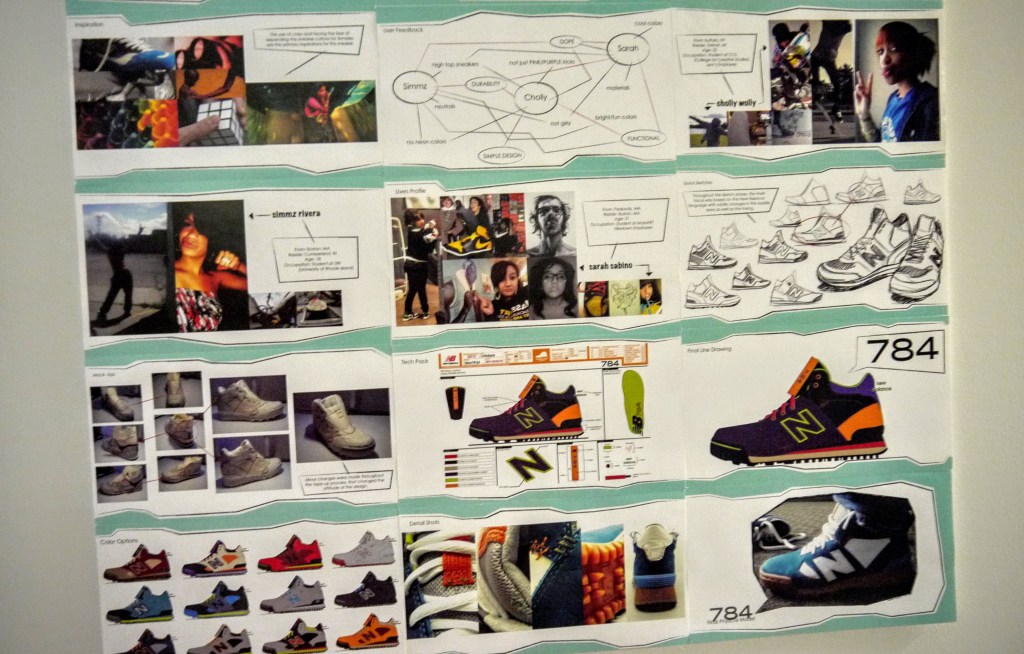
What’s important to you? It might sound simple, but when we engage in service design the way we ask that question will shape the answers we get.
Keeping with a design-inspired ethos of ‘show, don’t tell’ the Personal Inventory method is a simple means to answer that question of importance for people.
The method is simple, flexible, and can be used in physical, digital, or hybrid contexts so it’s suited to a variety of situations where we might seek to understand the values and beliefs of an audience or particular service user. The Personal Inventory method is a means for participants to gather and catalogue artifacts and evidence of their activities that help answer the question they are posted about what is important to them in a particular context.
Setting Up
The Personal Inventory is shaped around a specific question tied to importance and value within a context. While it can be helpful to ask the question generally, most often we want to focus attention on a particular topic. For example, if we are seeking to design a system that supports patients in navigating their healthcare, we might ask a question: What is important to you about your healthcare experience? Or, What is important to you when being cared for?
The next step is to provide a context for data gathering and presentation. For those who are using digital tools, it might be worth using a platform that is easy to navigate such as a Pinterest board, a shared Google Photos or Flickr folder, or a more sophisticated, but highly modifiable tool like Milannote. The tool should be something that your participants feel comfortable with and this might require some initial training and support.
For using a physical media, a simple scrapbook or posterboard will do.
Gathering, Sharing, and Learning
Provide a timeline for the project that is reasonable and have individuals capture artifacts that represent or illustrate what is important to them. This might include original photos or videos, representative images from the Internet or magazines, even sound recordings. For physical-based projects, this could also including bringing in physical items (or photos of them).
The guidance for the participants is recommended to be light so that individuals aren’t too directed toward a particular ‘idea’ and influenced to give what they think the researcher wants.
Once gathered, the process of ‘show and tell’ can be illuminating for everyone involved. This can be done as part of an individual interview/conversation or as part of a group (with permission from all participants) to allow everyone to speak to what they are sharing. Sometimes items might have a clear explicit meaning and an implicit meaning. The design team has an opportunity to converse with participants and ask further questions to help understand values, behaviours, and memories.
Outcomes
The Personal Inventory method is a creative, visual means to engage participants in research and elicit knowledge about values-in-practice. The opportunities to inquire about things in context and in relation to the problem domain that we are design for is high and it allows individuals to speak to their experience freely in a non-technical way. This method works well for people of various literacy levels and means and can produce insights into what both current designs do (and don’t) and what future designs might consider.
This is a simple method to use. If you want or need help designing your project and using this, reach out and contact us. This is what we do.
 English
 Afrikaans
 Shqip
Shqip አማርኛ
አማርኛ العربية
 Հայերեն
 Azərbaycan dili
 Euskara
 Беларуская мова
 বাংলা
বাংলা Bosanski
 Български
 Català
 Cebuano
 Chichewa
 简体中文
简体中文 繁體中文
繁體中文 Corsu
Corsu Hrvatski
 Čeština
 Dansk
Dansk Nederlands
 Esperanto
 Eesti
Eesti Filipino
 Suomi
Suomi Français
 Frysk
Frysk Galego
 ქართული
 Deutsch
 Ελληνικά
 ગુજરાતી
 Kreyol ayisyen
 Harshen Hausa
 Ōlelo Hawaiʻi
 עִבְרִית
 हिन्दी
 Hmong
Hmong Magyar
 Íslenska
 Igbo
Igbo Bahasa Indonesia
 Gaeilge
 Italiano
 日本語
日本語 Basa Jawa
 ಕನ್ನಡ
ಕನ್ನಡ Қазақ тілі
 ភាសាខ្មែរ
 한국어
한국어 كوردی
كوردی Кыргызча
 ພາສາລາວ
 Latin
Latin Latviešu valoda
 Lietuvių kalba
 Lëtzebuergesch
 Македонски јазик
 Malagasy
 Bahasa Melayu
 മലയാളം
 Maltese
 Te Reo Māori
 मराठी
मराठी Монгол
 ဗမာစာ
ဗမာစာ नेपाली
 Norsk bokmål
 پښتو
پښتو فارسی
فارسی Polski
 Português
 ਪੰਜਾਬੀ
 Română
 Русский
 Samoan
 Gàidhlig
 Српски језик
 Sesotho
 Shona
Shona سنڌي
سنڌي සිංහල
සිංහල Slovenčina
 Slovenščina
 Afsoomaali
 Español
 Basa Sunda
 Kiswahili
 Svenska
 Тоҷикӣ
 தமிழ்
தமிழ் తెలుగు
 ไทย
ไทย Türkçe
 Українська
 اردو
اردو O‘zbekcha
 Tiếng Việt
 Cymraeg
 isiXhosa
 יידיש
יידיש Yorùbá
 Zulu
Zulu