Complexity science is the study of how systems behave when under conditions of high dynamism (change) and instability due to the number, sequencing, and organization of actors, relationships, and outcomes. Complex systems pose difficulty drawing clear lessons because the relationship between causes and consequences are rarely straightforward. To illustrate, consider how having one child provides only loose guidance on how to parent a second, third or fourth child: there’s no template.
An After-Action Review is one such way to learn from actions you take in a complex system to help shape what you do in the future and provide guidance on what steps should be taken next.
The After-Action Review (AAR) is a method of sensemaking and supporting organizational learning through shared narratives and group reflection once an action has been taken on a specific project aimed at producing a particular outcome — regardless of what happened. The method has been widely used in the US Military and has since been applied to many sectors. Too often our retrospective reviews happen only when things fail, but through examining any outcome we can better learn what works, when, how, and when our efforts produce certain outcomes.
Here’s what it is and how to use it.
Learning Together
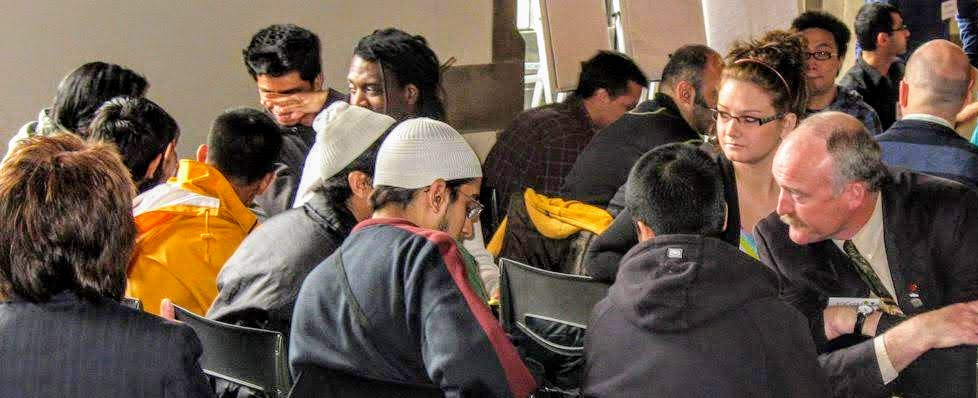
An AAR is a social process aimed at illuminating causal connections between actions and outcomes. It is not about developing best practice, rather it is to create a shared narrative of a process from many different perspectives. It recognizes that we may engage in a shared event, but our experience and perceptions of that event might be different and within these differences lie the foundation for learning.
To do this well, you will need to have a facilitator and a note-taker. This also must be done in an environment that allows individuals to speak freely, frankly, and without any fear of negative reprisals — which is a culture that must be cultivated early and ahead of time. The aim isn’t to point blame, but to learn. The facilitator can be within the team or outside the team. The US Military has a process where the teams undertake their own self-facilitated AAR’s.
To begin, gather those individuals directly involved in a project together in close proximity to the ‘end’ (e.g., launch, delivery of the product, etc..). As a group, reflect on the following three question sets:
- The Objectives & Outcomes:
- What was supposed to happen?
- What actually happened?
- Practice Notes: Notice whether there were discrepancies between perceptions of the objective in the first place and where there are differences in what people pay attention to, what value they ascribe to that activity (see below), and how events were sequenced.
- Positive, Negative, and Neutral Events:
- What created benefit / what ‘worked’ ?
- What created problems / what ‘didn’t ‘work’?
- Practice notes: The reason for putting ‘work’ in quotes is that there may not be a clear line between the activities and outcomes or a pre-determined sense of what is expected and to what degree, particularly with innovations where there isn’t a best practice or benchmark. Note how people may differ on their view of what a success or failure might be.
- Future Steps:
- What might we do next time?
- Practice notes: This is where a good note-taker is helpful as it allows you to record what happens in the discussion and recommendations. The process should end with a commitment to bringing these lessons together to inform strategic actions going forward next time something similar is undertaken.
Implementing the Method
Building AAR’s into your organization will help foster a culture of learning if done with care, respect and a commitment to non-judgemental hearing and accepting of what is discussed in these gatherings.
The length of an AAR can be anywhere from a half-hour to a full-day (or more) depending on the topic, context, and scale of the project.
An AAR is something that is to be done without a preconceived assessment of what the outcome of the event is. This means suspending the judgement about whether the outcome was a ‘success’ or ‘failure’ until after the AAR is completed. What often happens is successes and ‘wins’ are found in even the most difficult situations while areas of improvement or threats can be uncovered even when everything appeared to work (see the NASA case studies with the Challenger and Columbia space shuttle disasters).
Implementing an AAR every time your team does something significant as part of its operations can help you create a culture of learning and trust in your organization and draw out far more value from your innovation if you implement this regularly.
If your team is looking to improve its learning and create more value from your innovation investments, contact us and we can support you in building AAR’s into your organization and learn more from complexity.
 English
 Afrikaans
 Shqip
Shqip አማርኛ
አማርኛ العربية
 Հայերեն
 Azərbaycan dili
 Euskara
 Беларуская мова
 বাংলা
বাংলা Bosanski
 Български
 Català
 Cebuano
 Chichewa
 简体中文
简体中文 繁體中文
繁體中文 Corsu
Corsu Hrvatski
 Čeština
 Dansk
Dansk Nederlands
 Esperanto
 Eesti
Eesti Filipino
 Suomi
Suomi Français
 Frysk
Frysk Galego
 ქართული
 Deutsch
 Ελληνικά
 ગુજરાતી
 Kreyol ayisyen
 Harshen Hausa
 Ōlelo Hawaiʻi
 עִבְרִית
 हिन्दी
 Hmong
Hmong Magyar
 Íslenska
 Igbo
Igbo Bahasa Indonesia
 Gaeilge
 Italiano
 日本語
日本語 Basa Jawa
 ಕನ್ನಡ
ಕನ್ನಡ Қазақ тілі
 ភាសាខ្មែរ
 한국어
한국어 كوردی
كوردی Кыргызча
 ພາສາລາວ
 Latin
Latin Latviešu valoda
 Lietuvių kalba
 Lëtzebuergesch
 Македонски јазик
 Malagasy
 Bahasa Melayu
 മലയാളം
 Maltese
 Te Reo Māori
 मराठी
मराठी Монгол
 ဗမာစာ
ဗမာစာ नेपाली
 Norsk bokmål
 پښتو
پښتو فارسی
فارسی Polski
 Português
 ਪੰਜਾਬੀ
 Română
 Русский
 Samoan
 Gàidhlig
 Српски језик
 Sesotho
 Shona
Shona سنڌي
سنڌي සිංහල
සිංහල Slovenčina
 Slovenščina
 Afsoomaali
 Español
 Basa Sunda
 Kiswahili
 Svenska
 Тоҷикӣ
 தமிழ்
தமிழ் తెలుగు
 ไทย
ไทย Türkçe
 Українська
 اردو
اردو O‘zbekcha
 Tiếng Việt
 Cymraeg
 isiXhosa
 יידיש
יידיש Yorùbá
 Zulu
Zulu