Wondering how to visualize your qualitative data? Maybe you’ve got open-ended survey responses, focus group notes, or speech transcripts. Qualitative data visualization can bring our words and phrases to life.
My friend Jon Schwabish from PolicyViz asked me to partner on his One Chart at a Time project, in which we’re helping you get better-acquainted with common and not-so-common chart types.
I created a tutorial on using colored phrases to visualize qualitative data. In this tutorial, you’ll learn:
- The first time I ever used colored phrases to visualize qualitative data;
- My favorite examples of colored phrases; and
- Practical tips for using colored phrases in your project.
Watch the Tutorial
The First Time I Used Colored Phrases in Data Visualization
In the first part of the video, you’ll see the first time I used colored phrases.
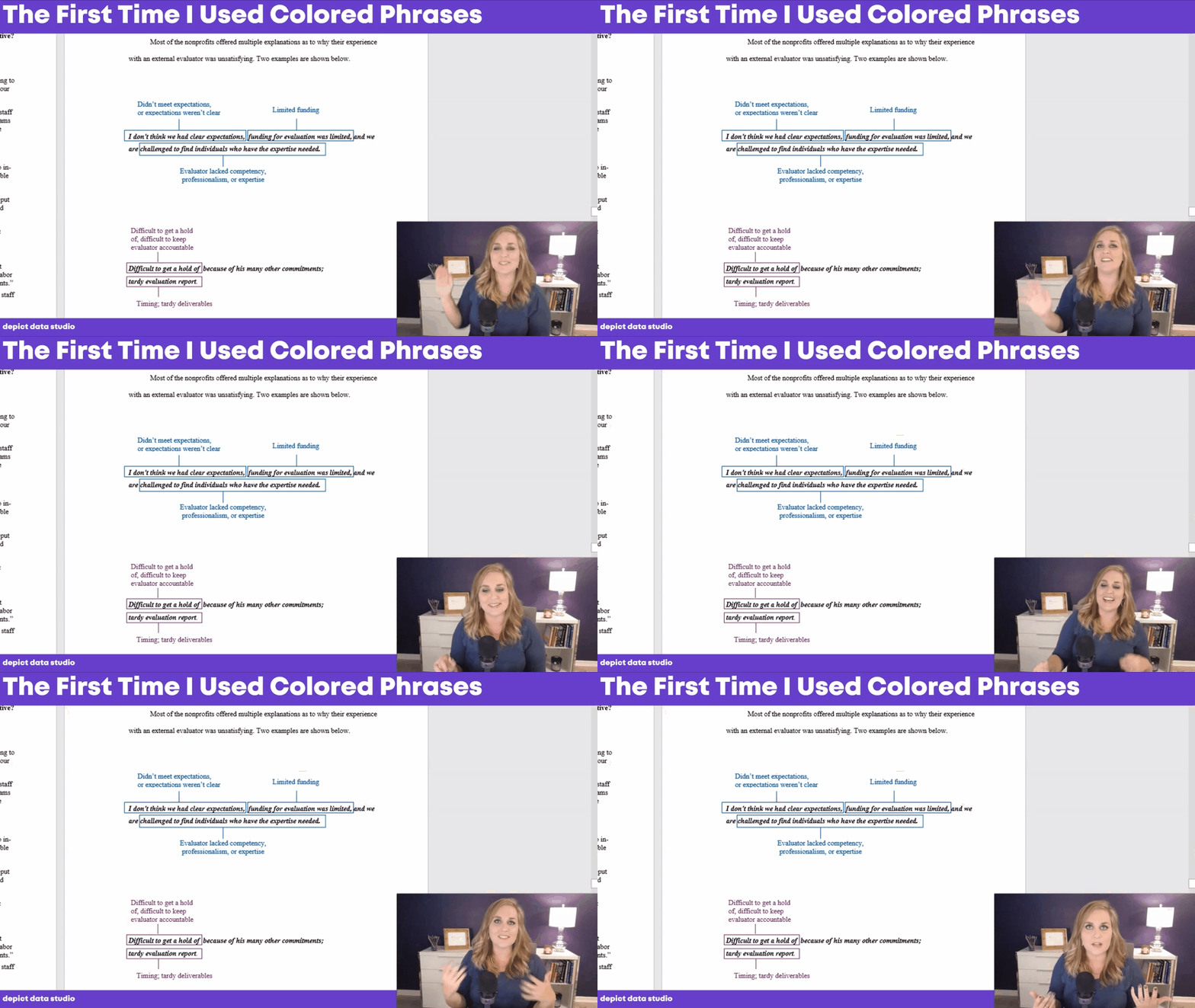
I was coding open-ended survey data during my Master’s thesis, and needed to visualize different themes that I was finding in the data.
Inside good ol’ Word, I added colored rectangles around key phrases.
The outcome wasn’t perfect, but it was better than regular text.
My Favorite Examples of Colored Phrases
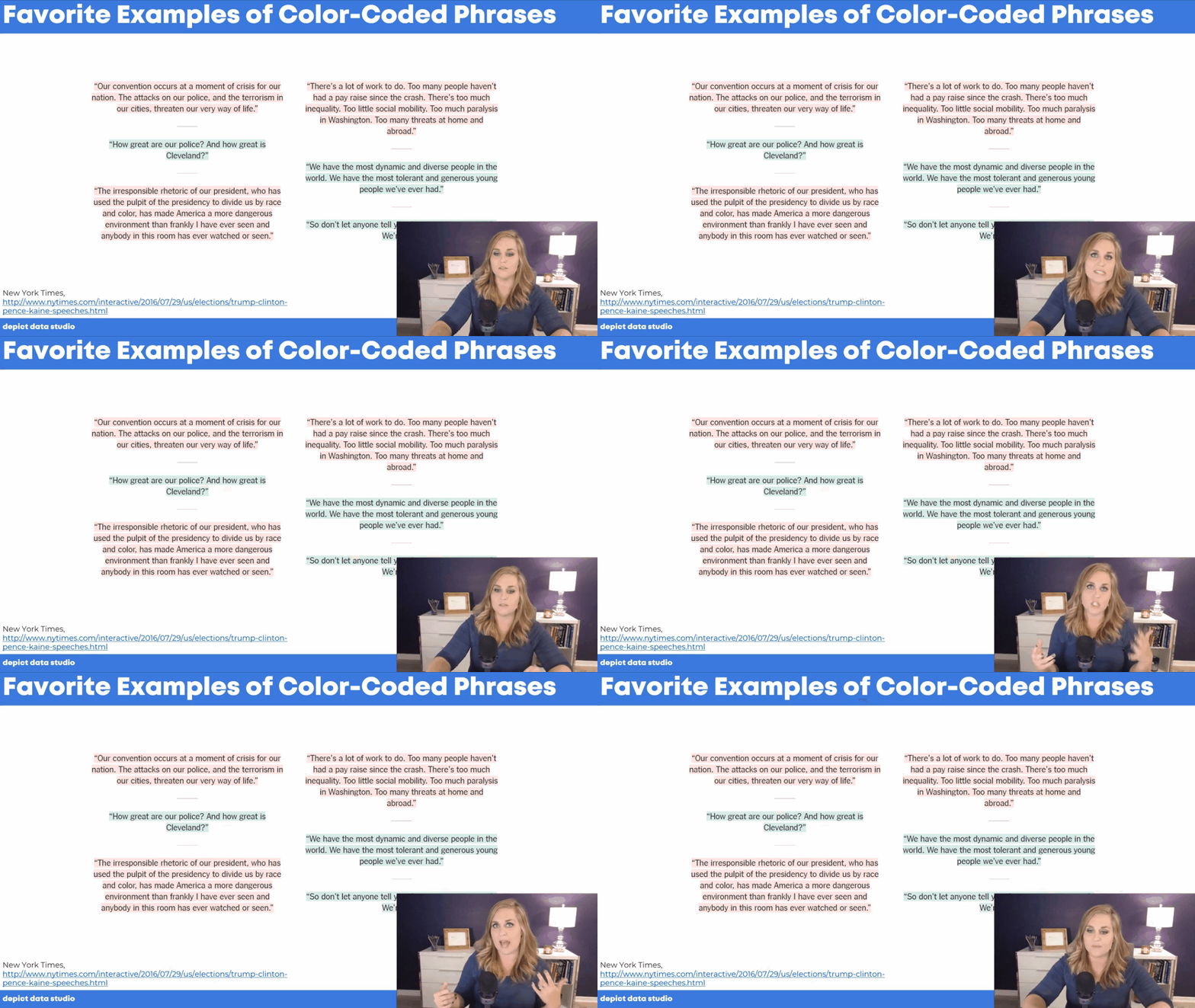
In the second part of the video, you’ll see my favorite examples of colored phrases:
- ‘Stronger Together’ and ‘I Am Your Voice’—How the Nominees’ Convention Speeches Compare by the New York Times
- Did Michael Brown Charge? Eyewitnesses Paint a Muddled Picture by the Washington Post
Practical Tips for Using Colored Phrases
In the final section of the video, you’ll learn practical tips for using colored phrases to visualize qualitative data.
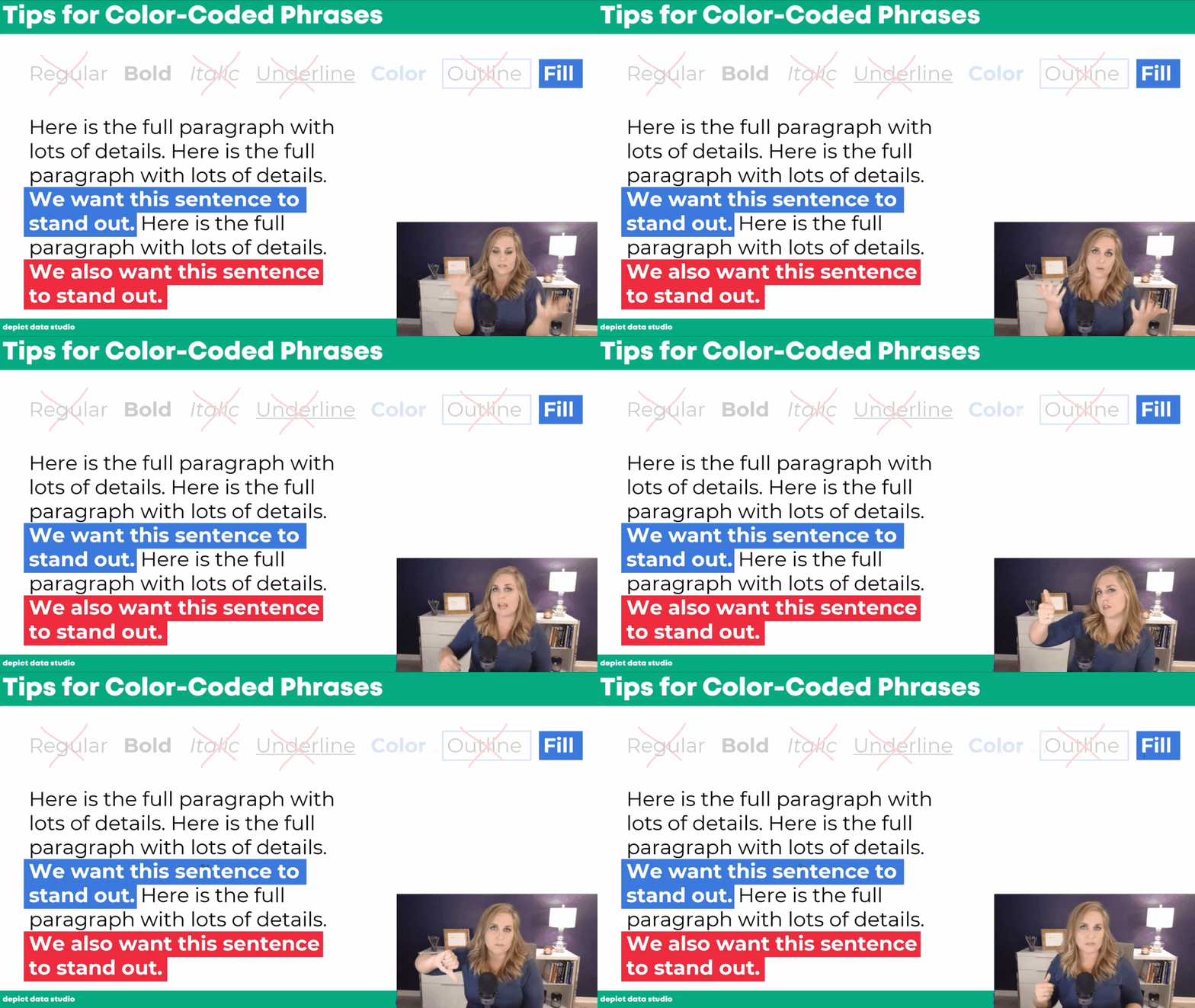
We’ll go through seven options:
- Regular text
- Bold
- Italic
- Underline
- Color
- Outline
- Fill
You’ll learn the pros and cons of each approach, and see why I suggest using bold, colored, or filled text instead of the other options.
Your Turn
Let me know when you’ve applied colored phrases to your own project!
 English
 Afrikaans
 Shqip
Shqip አማርኛ
አማርኛ العربية
 Հայերեն
 Azərbaycan dili
 Euskara
 Беларуская мова
 বাংলা
বাংলা Bosanski
 Български
 Català
 Cebuano
 Chichewa
 简体中文
简体中文 繁體中文
繁體中文 Corsu
Corsu Hrvatski
 Čeština
 Dansk
Dansk Nederlands
 Esperanto
 Eesti
Eesti Filipino
 Suomi
Suomi Français
 Frysk
Frysk Galego
 ქართული
 Deutsch
 Ελληνικά
 ગુજરાતી
 Kreyol ayisyen
 Harshen Hausa
 Ōlelo Hawaiʻi
 עִבְרִית
 हिन्दी
 Hmong
Hmong Magyar
 Íslenska
 Igbo
Igbo Bahasa Indonesia
 Gaeilge
 Italiano
 日本語
日本語 Basa Jawa
 ಕನ್ನಡ
ಕನ್ನಡ Қазақ тілі
 ភាសាខ្មែរ
 한국어
한국어 كوردی
كوردی Кыргызча
 ພາສາລາວ
 Latin
Latin Latviešu valoda
 Lietuvių kalba
 Lëtzebuergesch
 Македонски јазик
 Malagasy
 Bahasa Melayu
 മലയാളം
 Maltese
 Te Reo Māori
 मराठी
मराठी Монгол
 ဗမာစာ
ဗမာစာ नेपाली
 Norsk bokmål
 پښتو
پښتو فارسی
فارسی Polski
 Português
 ਪੰਜਾਬੀ
 Română
 Русский
 Samoan
 Gàidhlig
 Српски језик
 Sesotho
 Shona
Shona سنڌي
سنڌي සිංහල
සිංහල Slovenčina
 Slovenščina
 Afsoomaali
 Español
 Basa Sunda
 Kiswahili
 Svenska
 Тоҷикӣ
 தமிழ்
தமிழ் తెలుగు
 ไทย
ไทย Türkçe
 Українська
 اردو
اردو O‘zbekcha
 Tiếng Việt
 Cymraeg
 isiXhosa
 יידיש
יידיש Yorùbá
 Zulu
Zulu