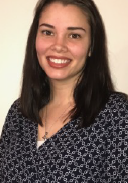
 Last month, I had the opportunity to attend the Summer Evaluation Institute hosted by AEA. I met some great people and learned a lot about evaluation. I’m what my family likes to call a “professional student” – I would be in school for the rest of my life if I could. I took pages and pages of notes, organized the resources I was given, and came up with this list of the lessons I learned while there.
1. Evaluation isn’t just for evaluators.
Going into the institute, I was so nervous. With just under a year of professional evaluation experience under my belt, I was sure I would be behind in some of the workshops. That definitely wasn’t the case. Now, I’m not claiming to be an evaluation master, but there were fewer evaluators attending than I anticipated. Project developers and managers, health promotion specialists, policy analysts, and more came from all over the country to learn about evaluation.
This isn’t a new concept for me, but it was strongly reinforced at the Institute. Working with Ann at Community Evaluation Solutions has taught me that building an organization’s evaluation capacity is an important part of being an evaluation consultant. We want to make sure that our clients can and will continue to evaluate their programs, even after our contracts end.
Fun Fact: Ann actually taught a workshop at the Summer Institute this year on this very topic: Tools and Techniques for Assessing and Strengthening Nonprofits’ Evaluation Capacity.
2. The content is the paint, but the presentation is the canvas.
Bear with me. What I mean here is that the canvas is what brings the art together. If you’ve got a ton of information, but no clear way to deliver it, it’s as good as buckets of paint on the ground. The final product is what gets remembered, and if you can’t bring all of your paint together to tell a story, then what’s the point?
Out of the five workshops I attended, there are two that I will likely remember for a while. I am painfully introverted, and as a result of that I have a strong aversion to public speaking. One of the workshops I attended was about strategies to engage your audience when presenting. Not only did I learn about the strategies, but I saw them in practice. The speaker, Sheila Robinson of Greece Central School District, was captivating and informative, which can be difficult. Kylie Hutchinson, the second speaker I will not soon forget, was personable and fun. Usually when a presenter throws facts at you, they are forgotten as soon as you walk out the door. These two speakers presented the information in a way that will make it sticky and easy to recall/repeat. I’m hesitant to say that I am excited to put what I’ve learned to use, because that would mean I have to stand up in front of a group and present, but I already feel more prepared for my next presentation.
3. It really does matter where you work.
As I mentioned in #1, I have been working for Ann for almost a year now. One of the best things about CES is that I’m able to put my hands on so many different projects and learn a little about a lot. Well, the main thing that the Institute taught me is that I haven’t learned a little about a lot, I’ve learned a lot about a lot. I honestly did not expect to learn as much as I did in my first year, and I did not realize how much I had learned until last month.
In my last workshop, we were split up into groups and given a few tasks. In my group there were a couple of young evaluators, an epidemiologist, a program developer, and a few disease prevention specialists. Working through the tasks made me realize how much I already knew about evaluation. I could answer questions that my group had, give examples of work we had done at CES, and explain why certain techniques were used in different situations. I’ve never been very good at networking but being knowledgeable about evaluation helped in that other people wanted to start conversations with me about my experience at CES. Knowledge is power, and Ann sure has given me a lot of it.
Overall, the Summer Institute was an amazing learning and networking opportunity. There are classes for all levels, and I really think non-evaluators would benefit from attending. Hopefully I am able to attend next year, but until then I will learn every day with Ann.
 English
 Afrikaans
 Shqip
Shqip አማርኛ
አማርኛ العربية
 Հայերեն
 Azərbaycan dili
 Euskara
 Беларуская мова
 বাংলা
বাংলা Bosanski
 Български
 Català
 Cebuano
 Chichewa
 简体中文
简体中文 繁體中文
繁體中文 Corsu
Corsu Hrvatski
 Čeština
 Dansk
Dansk Nederlands
 Esperanto
 Eesti
Eesti Filipino
 Suomi
Suomi Français
 Frysk
Frysk Galego
 ქართული
 Deutsch
 Ελληνικά
 ગુજરાતી
 Kreyol ayisyen
 Harshen Hausa
 Ōlelo Hawaiʻi
 עִבְרִית
 हिन्दी
 Hmong
Hmong Magyar
 Íslenska
 Igbo
Igbo Bahasa Indonesia
 Gaeilge
 Italiano
 日本語
日本語 Basa Jawa
 ಕನ್ನಡ
ಕನ್ನಡ Қазақ тілі
 ភាសាខ្មែរ
 한국어
한국어 كوردی
كوردی Кыргызча
 ພາສາລາວ
 Latin
Latin Latviešu valoda
 Lietuvių kalba
 Lëtzebuergesch
 Македонски јазик
 Malagasy
 Bahasa Melayu
 മലയാളം
 Maltese
 Te Reo Māori
 मराठी
मराठी Монгол
 ဗမာစာ
ဗမာစာ नेपाली
 Norsk bokmål
 پښتو
پښتو فارسی
فارسی Polski
 Português
 ਪੰਜਾਬੀ
 Română
 Русский
 Samoan
 Gàidhlig
 Српски језик
 Sesotho
 Shona
Shona سنڌي
سنڌي සිංහල
සිංහල Slovenčina
 Slovenščina
 Afsoomaali
 Español
 Basa Sunda
 Kiswahili
 Svenska
 Тоҷикӣ
 தமிழ்
தமிழ் తెలుగు
 ไทย
ไทย Türkçe
 Українська
 اردو
اردو O‘zbekcha
 Tiếng Việt
 Cymraeg
 isiXhosa
 יידיש
יידיש Yorùbá
 Zulu
Zulu