• Skip to main content
  • Skip to footer
  • Home

The May 13 Group

the next day for evaluation

  • Get Involved
  • Our Work
  • About Us
You are here: Home / Archives for allblogs / evalacademy

evalacademy

Jan 24 2020

How to Kick Off Your Evaluation Kick-Off Meeting


So you landed an evaluation contract and the first meeting date is set. Here are some pointers for kicking your evaluation off on the right foot.

Determine who is going to chair the evaluation meetings

It is important to determine who is going to plan and run the evaluation meetings. You do not necessarily need to be the person to plan and run the evaluation meetings; however, as the evaluator you should work closely with that person to ensure the agenda items include what it is you want/ need to discuss as the evaluation progresses.

Work with the meeting chair on meeting logistics

The meeting chair will likely be able to advise on meeting logistics (e.g. date, meeting location). However, you should work with the meeting chair and advise on the length of time for the first meeting, as well meeting attendees. I like to schedule the kick off meeting for 1.5 to 2 hours -1 hour is not enough time and anything over 2 hours and you start to lose people’s attention.

The meeting attendees should include your evaluation’s primary intended users. While you might not know who these people are at your first meeting, the meeting chair can help advise on who should be included in the evaluation meeting. Once you conduct your stakeholder analysis you can always invite the people that were not included from the beginning.

Request program documentation in advance

You may have received some high level information to inform the development of your proposal; however, it is best to request and review additional project documentation prior to your kick off meeting. You will likely want to get your hands on any documentation that outlines goals, objectives and activities of the program (more recent is better). Likewise, any previous evaluation reports are always useful. Previous evaluations show you what has been collected, any previous measurement challenges or limitations, and recommendations going forward – all of which are useful for your future evaluation planning.

Work with the meeting chair to set the meeting agenda

The program documentation that you reviewed in the previous step likely uncovered a lot of questions you want to hash out in your first meeting. However, temper your expectations for what you will cover in the first meeting. Your kick-off meeting is really about getting to know one another and beginning to build a shared understanding around the program and how it will be evaluated. Subsequent meetings are where you can really start digging in to what you need to build that evaluation plan. With that in mind, below is a sample agenda for your first evaluation meeting.


Agenda: Evaluation Kick-Off Meeting

  1. Introductions and icebreaker

  2. Program overview

    a. What is the program trying to achieve?

    b. What are its core activities?

  3. Evaluation stakeholders

    a. Who wants to know what?

    b. What will they use the information for?

  4. Evaluation principles

    a. What are some important considerations that should guide and inform the evaluation?

  5. Confirm project timelines and next meeting date(s)

Introductions and icebreaker

The kick off meeting is a chance to get out of the way people’s assumptions or negative ideas regarding evaluation and energize people about what evaluation can be. With that in mind, I like the first item on the agenda to be introductions, coupled with a bit of an icebreaker. You can keep it simple and have people introduce themselves and answer a question, such as “what comes to mind when you think of evaluation?” If you want to get a bit more creative, I have also asked people to look in their wallet and select an object they feel represents their feelings related to evaluation. Either way, this icebreaker will help you determine the evaluation perceptions people are coming to the table with. After everyone has introduced themselves I like to introduce myself, reflect on what was heard from people relating to evaluation, and then talk about my approach to evaluation.

Program overview

This is when it’s really important to put on your listening ears. As an evaluator it’s always important to listen, but it is especially important when learning about the program. Even if you are a subject matter expert, it is crucial to hear how others describe their work and how consistent or inconsistent that is with others at the meeting. Since the discussion is so important, I will often times ask to record it. Recording the discussion allows me to go back and listen for discrepancies or differing assumptions that can be addressed later on in evaluation planning. While it is valuable to have a completed evaluation plan, what is even more valuable is the process to get there and all the rich discussions you facilitate through that process.

Evaluation stakeholders

Why the evaluation is being conducted and how the information generated will be used will differ depending on the stakeholder. Your goal in this meeting is to get a general lay of the land of who is interested in what, and how they will use the information; most importantly, it will be to identify those primary intended users. Primary intended users will be your go-to’s and the ones you should be tailoring your evaluation to. They are the people with the “willingness, authority and ability” to put the evaluation findings to use. You don’t need to overcomplicate it – often times, after generating a stakeholder list and discussing it, I will just ask the group who these people are. If the primary intended users are not at the first meeting, make sure to catch them up after the meeting and invite them to subsequent ones!

Evaluation principles

It is likely that with the icebreaker described above that you will have touched on quite a few evaluation principles. If not, it is important to know people’s expectations for the evaluation and how it should be conducted. As described above, stakeholders have different wants and needs for the evaluation, but we can’t be all things to all people. Coming to a consensus on principles for the evaluation is helpful for providing direction when you are being pulled in all different directions! I am just starting to address this in my current evaluations, but I can already see the value principles serve for laying out expectations from the start. For more information on evaluation principles refer to Michael Quinn Patton’s Principles-Focused Evaluation: The Guide.

Confirm project timelines and next meeting date(s)

If you can get through all of the above, then pat yourself on the back because you are a rockstar! But don’t forget to leave time at the end of the meeting to wrap-up. If you have a good meeting chair they will leave time to summarize the action items and discuss timelines and meetings dates. If not, leave 10 minutes at the end of the meeting to review timelines with the group. If you have an upcoming deliverable that requires more discussion from the group, then that will help you determine when your next meeting(s) should be (i.e. before that deliverable due date).
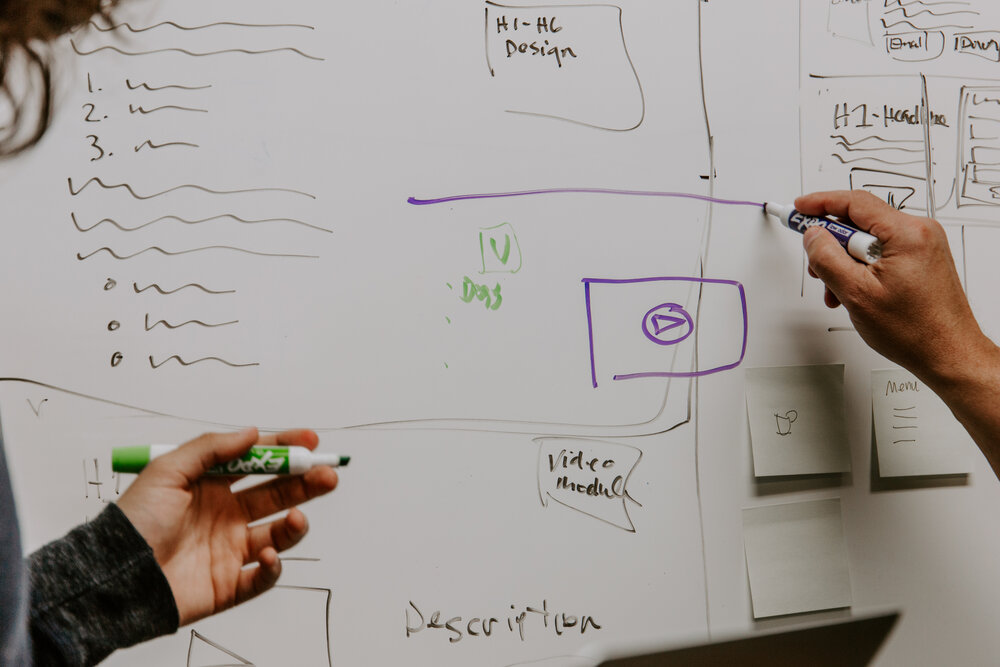

That is a lot of ground to cover in one meeting. I always like to put more on the agenda than less. It takes a lot of time and effort to organize meetings so it is important to utilize as much of that time as you can; of greater importance is to be fully prepared and to utilize that time effectively. If you have a lot of ground to cover at your first kick-off meeting and are worried you won’t adequately cover it, then don’t feel like because it is called a “meeting” that it needs to resemble a traditional meeting format. I try to facilitate discussion through methods other than sitting around a big table and talking in a big group (don’t you find it is usually only a fraction of the people talking while the rest are too disinterested or unsure to speak?). So tape some big white sheets of paper around the room, write the questions outlined on the agenda at the top, and get your group up and jotting down ideas on each sheet. Depending on the size you may be able to discuss in one group. If not, break people into smaller groups and have them discuss and present back. No one says meetings need to entail sitting at a table – trust me, people are more energized, engaged, and willing to share when you remove that physical barrier (i.e. the meeting table) and literally come together.

So to sum it up…

When pressed for time and when we want to get going on an evaluation it is easy to default into jumping into timelines and deliverables at the kick-off meeting. While important, what is more important is carving out some time to talk (and listen!) about the program, what it is trying to achieve, how it is trying to do that, and how evaluation can support the work of the program. Aim for that at your next kick-off meeting and you’ll set yourself up to kick some ass!


Sign up for our newsletter

We’ll let you know about our new content, and curate the best new evaluation resources from around the web!


We respect your privacy.

Thank you!



Written by cplysy · Categorized: evalacademy

Jan 14 2020

Branding and Marketing for Evaluation Consultants


Evaluation Consulting Round-Up

Part 4

image.jpg

“New Directions for Evaluation” is one of the American Evaluation Association’s (AEA) academic journals, and they publish articles on cutting-edge issues in the evaluation world. Recently, they released a special issue focused on being an independent evaluation consultant. This is a round-up of what we learned.

Check out the other articles in this series:
Part 1 – non-evaluation skills you need to be a good evaluation consultant.
Part 2 – managing your consulting business.
Part 3 – maximizing productivity with business processes.
Part 4 – branding and marketing.


Part 4 in this series is about branding your business, and it’s based on the article by Stephanie Evergreen and Nina Sabarre: “Branding for the Independent Consultant: Basic to Advanced.”

As independent evaluation consultants, we might find ourselves working in the “gig economy” – that thrilling and perilous world of odd jobs and short-term contracts (and best of all: freedom). Whether or not you participate in the gig economy, key to success for any consultant is branding: it’s how you tell the world who you are and the unique value you offer. To start thinking about branding, fill in these blanks:

I am known for ______________.

I want to be known for ______________.

Branding is the Uber driver that can get you from where you are to where you want to be. It’s all about getting the world to “see you” the way you want to be seen.

There’s no step-by-step guide to successful branding, but this article will give you some ideas of where to focus your branding at different stages of your business (whether you’re a newbie, a pro, or somewhere in-between).


Newbies

Branding Goal:

Help potential clients find you

If you are just starting out as an evaluation consultant, you will probably focus your efforts on branding basics. That means figuring out what your unique brand is, and making sure it sends the right message about your business. Do you want to be known as dependable? Innovative? Traditional? Exciting? Then you need to make conscious decisions to brand your business accordingly.

Once you figure out the message you’re trying to send, you need to do some brand design. This includes your business name, logo, fonts, colour palettes, and visual elements that will be consistent across all aspects of your business.

Last is brand building: taking all those elements of your brand design and applying them to your website, newsletter, blog, events, presentations, business cards, etc., etc. Pro tip: make sure the website domain you want is available, then buy it before somebody else does.

Depending on the resources you have, you might do all these things yourself, or you might hire some outside help. As a consulting newbie, you might be worried about making all these important decisions about your brand before you’ve really figured out your professional identity. It’s ok! Your brand is allowed to evolve over time, so just do your best with what you know right now.


In-Betweeners

Branding Goal:

Create consistency

If you have a somewhat established business already, and have covered all the branding basics, then it’s time for intermediate branding. The goal here is to create a consistent image for your business so that potential clients know exactly what they are going to get from you. Imagine your potential clients are “window shopping” – this is the stage where you build up what they see when they look through your business’ “window.” Three areas to focus branding on are:

Graphic design styles: Use similar graphical elements across your website, reports, and presentations that all tie into your brand. For example, use a colour from your logo on your business card text to create consistency.

Data visualization styles: Remember that charts and graphs are part of your brand. It’s another opportunity to apply the colours and styles you’ve established in basic branding.

Social media: Use the social media platforms that make sense for your business and the audience you’re trying to reach. For example, Facebook tends to be more personal, Twitter can be casual, and LinkedIn is seen as more corporate (but these aren’t hard rules).


Pros

Branding Goal:

Build lasting relationships

By the time you’ve made a name for yourself (maybe you’re even seen as an expert in your circle), you might think your branding work is done. Nope! There are still things you can do to continue growing and refining your brand. At this point, the goal is less about finding any ol’ clients, and more about finding bigger and better projects by building lasting relationships with clients. Here are four branding ideas for the pros:

Experiential marketing: Think about how you can use real-world or hands-on experiences to build your brand. For example, presentations, trainings, workshops, speaking engagements, and volunteer work (like a pro bono evaluation for a non-profit that aligns with your brand and values).

Swag: Actual physical objects are pretty rare these days, so swag can be effective at making your brand memorable. Again, it’s an opportunity to show your business identity to the world – maybe you give away branded rulers, cookies, post-it notes, candies, lunch kits… the options are endless!

Personal look and voice: Like it or not, potential clients are judging us by the way we conduct ourselves in-person and online. Part of branding is thinking about the image you portray through your clothing, language, and tone (both spoken and written). For example, you might use a signature “voice” in your Tweets and blog posts, or perhaps you have a trademark clothing style.

Process or procedure: By the time you are a branding pro, you might have your own business processes that you follow when conducting evaluations that are uniquely yours. This is the time to put that down on paper and make it part of your brand. For example, Starbucks uses the same process for making drinks every time (they write your name and order on the cup, make your drink, then call out your name), and we come to expect this process as part of their brand.


To summarize, branding is how you show your business off to the world, and when done well, will help attract the right clients. It’s a matter of deciding what message you want to send with your branding, then taking advantage of every opportunity to share it.

image.jpg


Source:

Evergreen, Stephanie, and Nina Sabarre. “Branding for the Independent Consultant: Basic to Advanced.” New Directions for Evaluation 2019, no. 164 (2019): 101–13. https://doi.org/10.1002/ev.20392.


Sign up for our newsletter

We’ll let you know about our new content, and curate the best new evaluation resources from around the web!


We respect your privacy.

Thank you!


Written by cplysy · Categorized: evalacademy

Jan 09 2020

Improve Your Evaluation Consulting with Business Processes


Evaluation Consulting Round-Up

Part 3

image.jpg

“New Directions for Evaluation” is one of the American Evaluation Association’s (AEA) academic journals, and they publish articles on cutting-edge issues in the evaluation world. Recently, they released a special issue focused on being an independent evaluation consultant. This is a round-up of what we learned.

Check out the other articles in this series:
Part 1 – non-evaluation skills you need to be a good evaluation consultant.
Part 2 – managing your consulting business.
Part 3 – maximizing productivity with business processes.
Part 4 – branding and marketing.


image.jpg

Part 3 in this series is about business processes: a standard set of tasks you set up to produce something important for your business. This information comes from Michelle Burd’s article “Build and Improve Business Processes for Evaluation Consulting.”

A business process is a set of tasks, including the staff and materials required, that is used again and again to accomplish a goal. Processes are important for businesses because they help you operate smoothly and effectively. Examples of processes include marketing to clients and tracking staff time.

Michelle Burd interviewed several evaluation consultants at small firms to learn more about business processes in the evaluation world. As you can probably guess from the name of the article, the findings focus on two main areas: building processes and improving processes.

Build Processes

Track

Technology can help small businesses streamline tasks such as invoicing or making payments, and organize important information such as budgets or time tracking. However, using tech doesn’t make a business successful – you need to judge what tool is right for you, and make sure it doesn’t end up taking more time than it’s worth. These programs were used by the consultants interviewed:

  • Time tracking: Toggl, QuickBooks, Google Calendar, gtimereport, and Excel

  • Accounting: Xero, Quickbooks, and Excel

  • Project management: the article only mentioned Excel, but other options include Asana, Harvest Forecast, and Celoxis

Automate

Even though every evaluation is unique, you will find some tasks and processes that are often repeated. These tasks are great candidates for automation: save yourself time by creating reusable templates. Insert boilerplate language into these templates, and then customize them as necessary for each project. Some document templates you might find useful are:

  • Scope of Work (SOW)

  • CVs and resumes

  • Reference lists

  • Staff bios

  • Ethics applications (such as for an Institutional Review Board)

Automating processes doesn’t have to be complicated. It’s all about reducing unnecessary repetition and duplication of work – don’t reinvent the wheel!

Organize

This is about making your business run like a well-oiled machine through organization and standardization. Four tips were identified:

  1. Organize roles among team members to identify who is responsible for doing what. For example, an office manager might prepare monthly budget reports, schedule meetings, and draft proposals.

  2. Create file/ folder storage conventions. This includes how to track versions of the same document, how to name files, and which folders to include in a new project. Standard folders within every project could include Data, Billing, Planning, Reports, Research, etc.

  3. Leverage technology to collaborate remotely. Some commonly used software to help collaboration are Trello, Slack, Dropbox, Google Suite, Skype, and Zoom.

  4. Communicate internally and externally. One evaluation consultant interviewed in the article regularly sends a joint email to the clients and subcontractors working on a project. The email updates everyone on work that’s been completed recently, and what’s planned for the upcoming week, keeping everyone in the loop.


Improve Processes

Business processes won’t stay the same forever – they will need to be tweaked and improved as conditions in the business change. Two ways to improve processes are through evaluation and reflection.

Evaluate

Fortunately, if you are an evaluation consultant, you already know how to evaluate things (it’s kind of your job). Process mapping is a tool to formally evaluate and improve business processes. The steps for process mapping are:

  1. Choose the process you will evaluate

  2. High-level overview: come up with 4-7 major steps from beginning to end

  3. Go into detail: list all the tasks involved in each of the major steps

  4. Review the finished map and identify where things are running smoothly, and where things need some work to improve

  5. Use real data to help drive improvement (like a good evaluator)

This process map shows the steps involved in sending a monthly update to your email list. The major steps run across the top, and specific tasks are listed under each.

Picture1.png

Reflect

When running a business, it’s important to take the time to reflect on your business processes in a formal way so you can be thoughtful and strategic about moving forward. As an evaluation consultant, you might take a day or two once a year to ask yourself these types of questions:

Where have I been?

  • What type of work have I done? Did I do the kind of work I really wanted to?

  • What’s the market been like? What new areas of work are emerging?

  • How have I spent money? How profitable has it been? Did investments bring the returns I expected?

  • How effective was my marketing?

  • What areas of interest are clients talking about?

  • What are my relationships with clients like?

Where do I want to go?

  • What new skills will I need?

  • What kinds of professional development do I want? Conferences? Writing?

  • What kinds of projects do I want to find in the future?

  • What do I want to do more of, and less of?

When you’re done, write up a plan for the coming year, and revisit it in 6 months to check your progress and make updates.


In the next round-up, we delve into the world of branding and marketing.

image.jpg


Source:

Burd, Michelle B. “Build and Improve Business Processes for Evaluation Consulting.” New Directions for Evaluation 2019, no. 164 (2019): 69–80. https://doi.org/10.1002/ev.20385.


Sign up for our newsletter

We’ll let you know about our new content, and curate the best new evaluation resources from around the web!


We respect your privacy.

Thank you!


Written by cplysy · Categorized: evalacademy

Jan 06 2020

Visual Storytelling Though Augmented and Virtual Reality


Transforming Evaluation

Part 2

Picture1.png

The holidays are over (boo!) and we have all accumulated a few extra pounds, well-intentioned resolutions and a few new gadgets we’re testing out. Maybe some of you are testing out your new virtual reality (VR) headsets? If not, keep reading because this blog post explores augmented and virtual reality and how evaluators can use this technology. If you don’t know what VR is then keep reading – you may find some ideas for transforming your evaluation practice.


What are they and how do they differ? 

Augmented Reality (AR) is just that – elements added to the real world to enhance the user’s experience. There are lots of companies embracing this technology:

  • Not sure if a piece of furniture is going to fit in your space? Ikea has you covered with its Ikea Place app.

  • Not sure if that wall colour will look right? Benjamin Moore’s Color Capture app lets you visualize the colour on your wall.

The list goes on and on. The point being that AR uses the existing environment and adds information to make a new artificial environment.

VR, on the other hand, does not center on reality but instead generates and transports users to a computer generated, different world. It is a wholly immersive experience where you can leave the world you’re in and enter the world of your making. Not surprisingly companies are beginning to see the power of VR and how it can be used to not just show people their brand and what they are all about, but experience it. Check out this blog for some great examples of how companies are embracing VR technology:

Picture2.png


How and why should evaluators embrace AR and VR?

Picture3.png

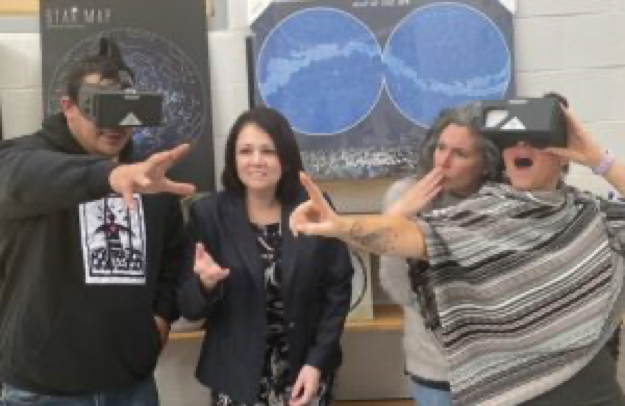
As evaluators we want people to understand what we have uncovered through our evaluations and feel compelled to act on our findings and recommendations. To do this we need to move beyond simply providing information. Most do not truly learn through passively listening or reading  – we learn by doing. AR and VR change the way people see and feel the world and thus can process information in a more experiential way. With this in mind, there are numerous applications for how to apply this technology in our evaluations:

1

Project Management

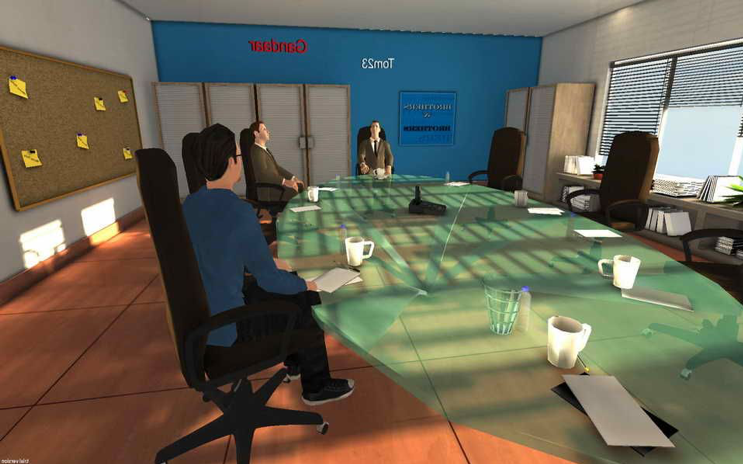
Sure we can bring people together via teleconference or video conference but what if we could actually bring our evaluation team together in a virtual meeting space? There are lots of evaluators conducting multi-country evaluations, VR provides an opportunity to bring people from various countries together in virtual meeting spaces. Feeling uninspired by your meeting room? Why not meet on the top of Machu Picchu? That is sure to stir your team’s creative juices!


2

Data collection

Similarly, what about organizing virtual focus groups? We all know the amount of time and money that goes into organizing those, only to have a handful of people show up. What if, instead, people joined virtually? It also makes the whole ethics piece around anonymity a non-starter since the person meeting in the space could be an avatar and could remain anonymous. Organizing a virtual focus group also allows the facilitator to project slides, videos or other concepts on the screen for participants to easily see and comment on.

Picture4.png

We work with a lot with clients who are trying to understand and capture the stories of the people they work with and how they are making a difference. In the past we have been hired to interview people to try and understand their stories. There are numerous issues with trying to elicit information from people (especially if they are a vulnerable group):


Who are you? (building rapport) – We all know it is important to build rapport with our interviewees. Very rarely do people spill their guts and get into the nitty gritty of their experiences with someone they just met and don’t trust. But in the real world there often isn’t time for the relationship building touted in our university textbooks – sometimes we need information from people now!

The word(s) are escaping me (verbal communication) – Expressing abstract concepts, memories or complicated ideas is difficult and especially difficult for kids, people with cognitive impairment, ESL or low literacy. When we rely on verbal language to describe experiences, we often times collect superficial information or underdeveloped ideas, leading to less robust data.

I can’t remember (recall bias) – Speaking of poor data, recall bias is a real thing and can lead to incorrect or incomplete data.

What if you set your participants up with a 360-degree camera and asked them to document their experience? We already do this using methods like photovoice, but imagine how much more powerful a 3D experience is? What better way to understand the actual or lived experience than to have your participants capture it in real time, so others can be surrounded in their world? It eliminates the need for people to recall and express their stories to strangers and as a result provides more valid data.

Not only do we end up with better data, but we also end up with data that people understand and are compelled to use. Research suggests we retain more information and can better apply what we have learned after participating in VR exercises. Interestingly, emotional understanding and empathy are also found to improve with the usage of AR and VR. Stanford researchers found that people who underwent a virtual reality experience, called “Becoming Homeless,” were more empathetic toward the homeless and more compelled to sign a petition in support of affordable housing than other study participants.


3

Reporting and Use

Picture5.png

This blog series is all about how we transform how clients utilize information. If we want people to act on our evaluation findings then let’s compel them by immersing them in the data.

“Data parties” are used to create a more participatory environment for uncovering and discussing findings. This is great if you can get everyone in one spot. If that’s not possible, an alternative might be to use VR to create a space to get people together to discover findings. You could even make a game of it. Imagine a virtual Amazing Race where participants could visit the Great Barrier Reef, the Grand Bazaar in Istanbul, and the pubs in Ireland to discover, discuss, and answer questions about findings or come up with recommendations. VR could also be used to show people alternate realities based on your recommendations; you could walk people through different options or recommendations and what those would look like.

Screen Shot 2020-01-06 at 10.26.01 AM.png

“Whoa, whoa, whoa” you say, “that sounds complicated” or “that’ll be way too expensive” or “that won’t work because <insert naysayer response>.” Just like any technology it starts off complicated until it is simplified. It starts off expensive and then isn’t. The technology is already here. There are 360-degree cameras now that can attach to your phone for less than $300, free software to upload your videos and create your own 3D experiences, and super inexpensive viewers that your audience can use to watch/participate in your experience. Check out Google’s AR and VR site for various products.

AR and VR have the power to transform evaluations from a process that provides information to one that creates knowledge. Just like anything if you don’t embrace it you will be left behind. Change happens; embrace it, leverage it. Will your evaluation practice be Blockbuster? Or will it be Netflix?


Check out Part 1 in this series: Visual Storytelling Through Videos


Sign up for our newsletter

We’ll let you know about our new content, and curate the best new evaluation resources from around the web!


We respect your privacy.

Thank you!



Written by cplysy · Categorized: evalacademy

Jan 02 2020

Somehow I Manage: What Evaluation Consultants Need to Know About Business Management


Evaluation Consulting Round-Up

Part 2

image.jpg

“New Directions for Evaluation” is one of the American Evaluation Association’s (AEA) academic journals, and they publish articles on cutting-edge issues in the evaluation world. Recently, they released a special issue focused on being an independent evaluation consultant. This is a round-up of what we learned.

Check out the other articles in this series:
Part 1 – non-evaluation skills you need to be a good evaluation consultant.
Part 2 – managing your consulting business.
Part 3 – maximizing productivity with business processes.
Part 4 – branding and marketing.


Hedgehog

Part 2 in this series is about what evaluation consultants can learn from business management experts. This information comes from Matthew Feldmann’s article “Standing on the Shoulders of Giants: Applying Business Management Approaches to Independent Evaluation Consulting.”

A lot of people have done a lot of thinking and researching around how to run a successful business, so thankfully you don’t need to reinvent the wheel. There’s a lot independent evaluation consultants can learn from that body of knowledge. Three big takeaways from this article were: go from good to great, cross the chasm, and never eat alone. Let’s explore each of these.

Go From Good to Great

There are some recommendations that can help you take your consulting business to the next level. Experts have found these 6 practices are the difference between good businesses and great businesses:

1. Level 5 Leadership

You need a leader who is humble, extremely motivated, and dedicated to the organization.

2. First who, then what

Focus on finding staff who are a good fit for the organization – “get the right people on the bus and in the right seats.”

3. Confront the brutal facts

Try to take a clear, unbiased view of the workplace (even though its hard). Focus on doing what you do well and stopping what isn’t productive.

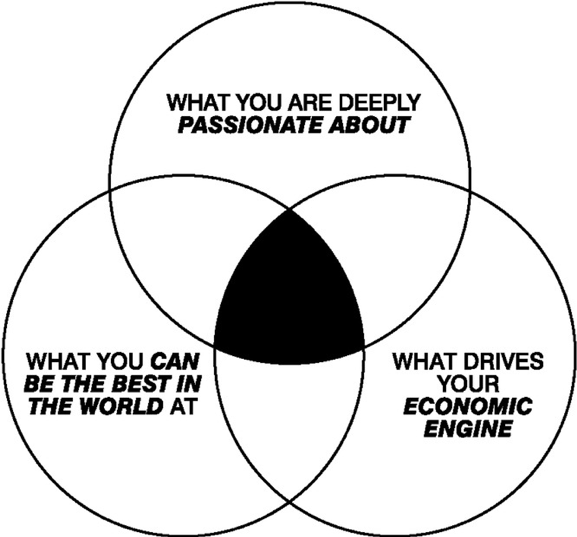
Your hedgehog is where these three overlap

4. The hedgehog concept

This comes from the Greek fable “The Hedgehog and the Fox.” The moral of this story is that a fox knows many things, but a hedgehog knows one important thing. In business, the hedgehog concept means finding your unique niche, then having a laser-focus on this one big idea. Your hedgehog concept is something that you are passionate about, you are the best at, and can make you money.

5. Culture of discipline

Strive for an almost fanatical commitment to the business approach and achieving your goals.

6. Technology accelerators

Capitalize on technologies that can help expand your opportunities, such as social networking or online sales.


Crossing the Chasm

Crossing the chasm

When a new technology comes on the scene, there’s usually a small group of people who jump on board (the early adopters), and a much bigger group of people who wait before buying-in to the new craze (the mainstream market). Early adopters might purchase a new technology before all the bugs are worked out (think of early mobile phones – big, bulky, and inconvenient). The mainstream market, on the other hand, might not know about this new tech yet, or they want to wait until it’s more convenient and cheap (cell phones get smaller, more affordable, and more widely used). The gap between the small group of early adopters and the big mainstream group is called the chasm.

As an evaluation consultant, you are trying to spread a message about your services to a population that might be largely unaware of the value of evaluation. There will be some early adopters of your message, but to truly excel you need to break into the large mainstream market. Your job is to figure out how to cross the chasm.


Never eat alone

Don’t worry my fellow introverts, you’re allowed to eat alone – this just refers to the idea that you need to be taking every opportunity you can to network and build connections with people. Networking is based on generosity toward others by offering them value. Ideally, these relationships are mutually beneficial because you may eventually get more projects and clients as a result of this networking. But don’t keep score! Networking is not a perfectly equal give and take. If you expect a 1:1 return on your generosity, you are setting yourself up to be disappointed. Instead, keep your focus on becoming indispensable to the people around you. Use your unique skillset, contacts, and knowledge to make yourself irreplaceable. Think of the world as a complex web of relationships – you’re trying to make yourself an important strand of that web by being the go-to person for evaluation within your niche.


In my next round-up, we get our feet wet and turn these management concepts into real-world actions with “business processes.” Now get out there and find your hedgehog!

image.jpg


Source:

Feldmann, Matthew L. “Standing on the Shoulders of Giants: Applying Business Management Approaches to Independent Evaluation Consulting.” New Directions for Evaluation 2019, no. 164 (2019): 55–67. https://doi.org/10.1002/ev.20383.


Sign up for our newsletter

We’ll let you know about our new content, and curate the best new evaluation resources from around the web!


We respect your privacy.

Thank you!

Written by cplysy · Categorized: evalacademy

  • « Go to Previous Page
  • Go to page 1
  • Interim pages omitted …
  • Go to page 41
  • Go to page 42
  • Go to page 43

Footer

Follow our Work

The easiest way to stay connected to our work is to join our newsletter. You’ll get updates on projects, learn about new events, and hear stories from those evaluators whom the field continues to actively exclude and erase.

Get Updates

Want to take further action or join a pod? Click here to learn more.

Copyright © 2026 · The May 13 Group · Log in

en English
af Afrikaanssq Shqipam አማርኛar العربيةhy Հայերենaz Azərbaycan dilieu Euskarabe Беларуская моваbn বাংলাbs Bosanskibg Българскиca Catalàceb Cebuanony Chichewazh-CN 简体中文zh-TW 繁體中文co Corsuhr Hrvatskics Čeština‎da Dansknl Nederlandsen Englisheo Esperantoet Eestitl Filipinofi Suomifr Françaisfy Fryskgl Galegoka ქართულიde Deutschel Ελληνικάgu ગુજરાતીht Kreyol ayisyenha Harshen Hausahaw Ōlelo Hawaiʻiiw עִבְרִיתhi हिन्दीhmn Hmonghu Magyaris Íslenskaig Igboid Bahasa Indonesiaga Gaeilgeit Italianoja 日本語jw Basa Jawakn ಕನ್ನಡkk Қазақ тіліkm ភាសាខ្មែរko 한국어ku كوردی‎ky Кыргызчаlo ພາສາລາວla Latinlv Latviešu valodalt Lietuvių kalbalb Lëtzebuergeschmk Македонски јазикmg Malagasyms Bahasa Melayuml മലയാളംmt Maltesemi Te Reo Māorimr मराठीmn Монголmy ဗမာစာne नेपालीno Norsk bokmålps پښتوfa فارسیpl Polskipt Portuguêspa ਪੰਜਾਬੀro Românăru Русскийsm Samoangd Gàidhligsr Српски језикst Sesothosn Shonasd سنڌيsi සිංහලsk Slovenčinasl Slovenščinaso Afsoomaalies Españolsu Basa Sundasw Kiswahilisv Svenskatg Тоҷикӣta தமிழ்te తెలుగుth ไทยtr Türkçeuk Українськаur اردوuz O‘zbekchavi Tiếng Việtcy Cymraegxh isiXhosayi יידישyo Yorùbázu Zulu