• Skip to main content
  • Skip to footer
  • Home

The May 13 Group

the next day for evaluation

  • Get Involved
  • Our Work
  • About Us
You are here: Home / Archives for allblogs

allblogs

Dec 22 2019

The Power of a Visual Narrative: A Collaboration with Innovation Network

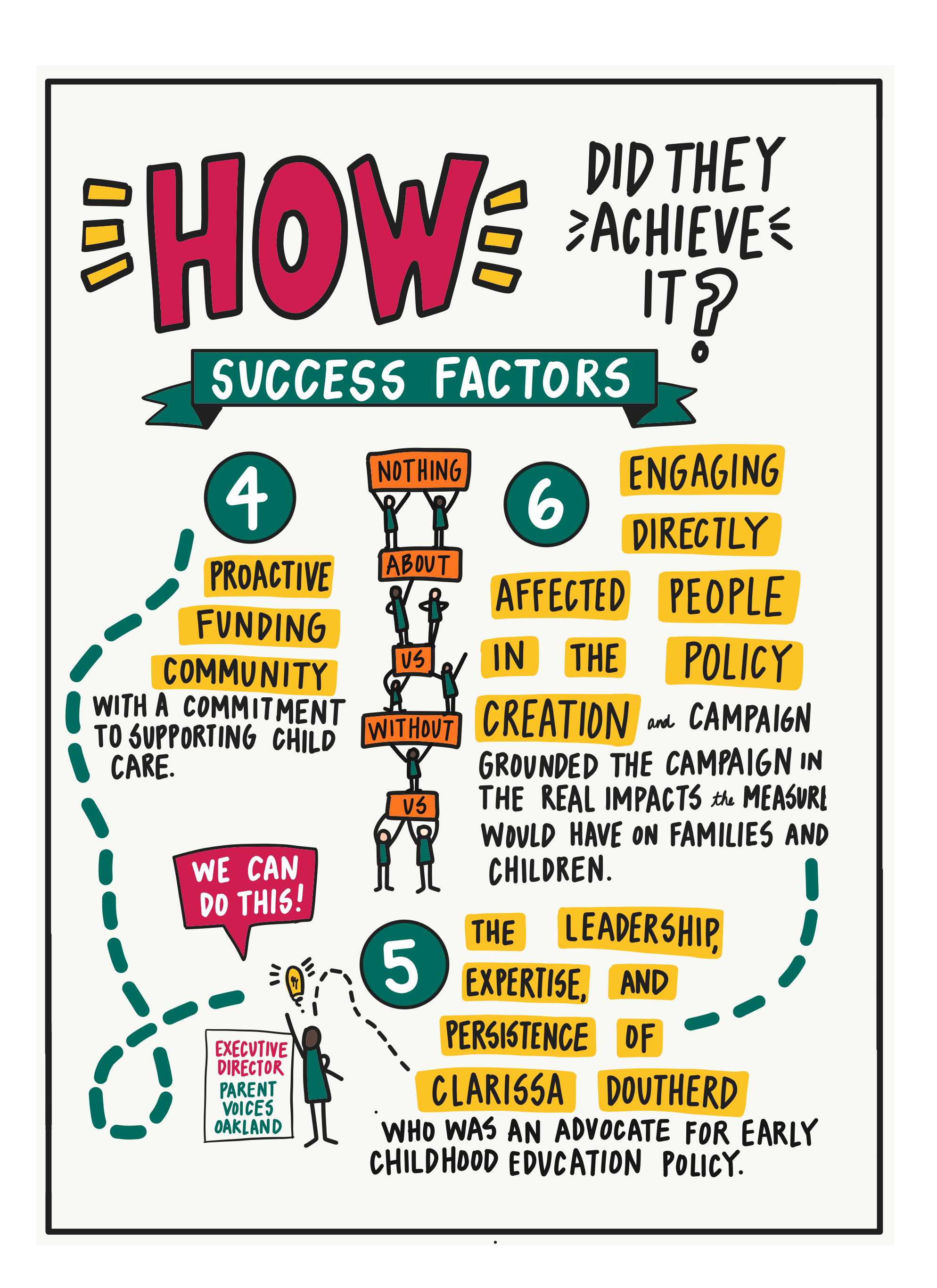
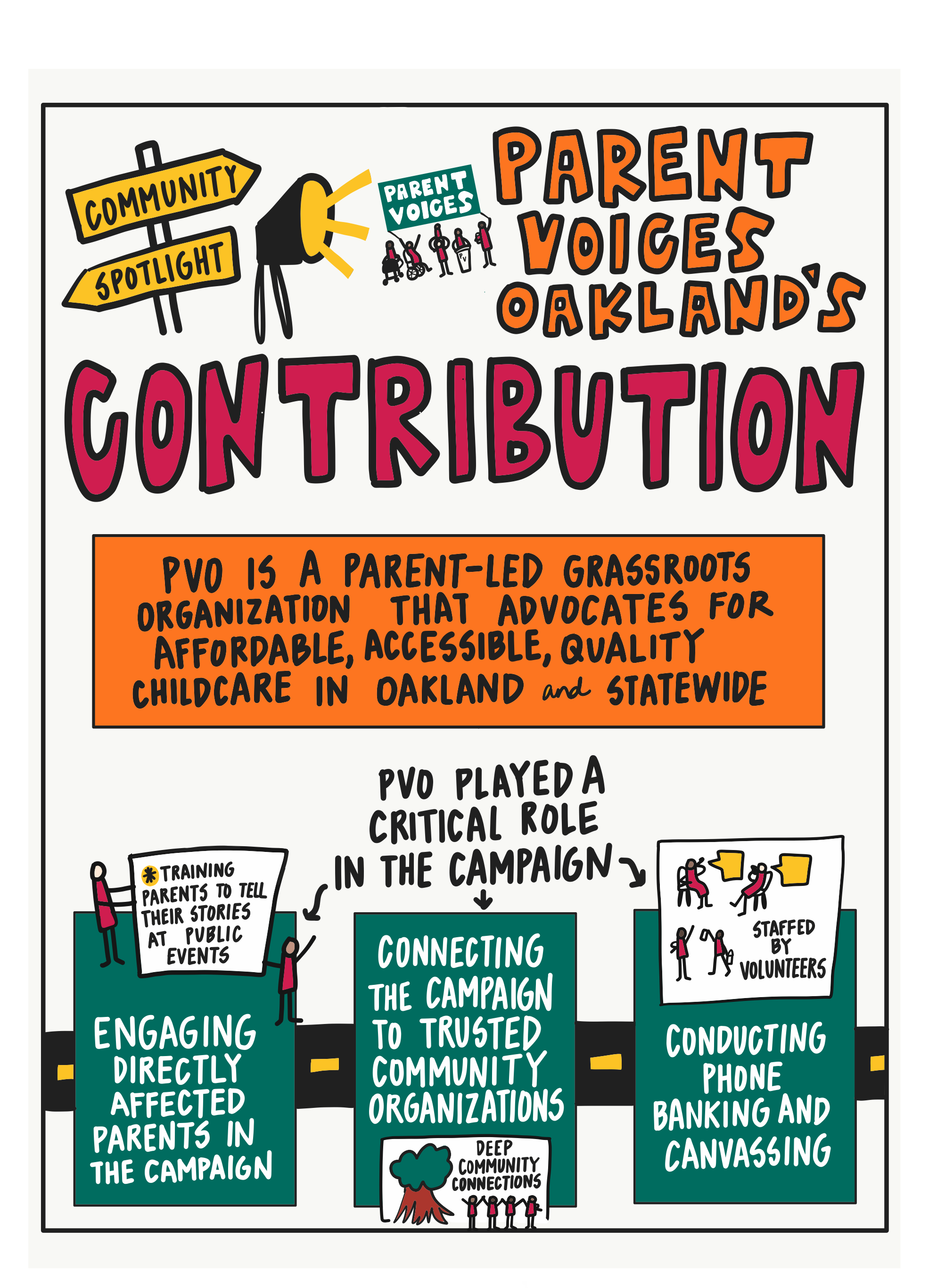
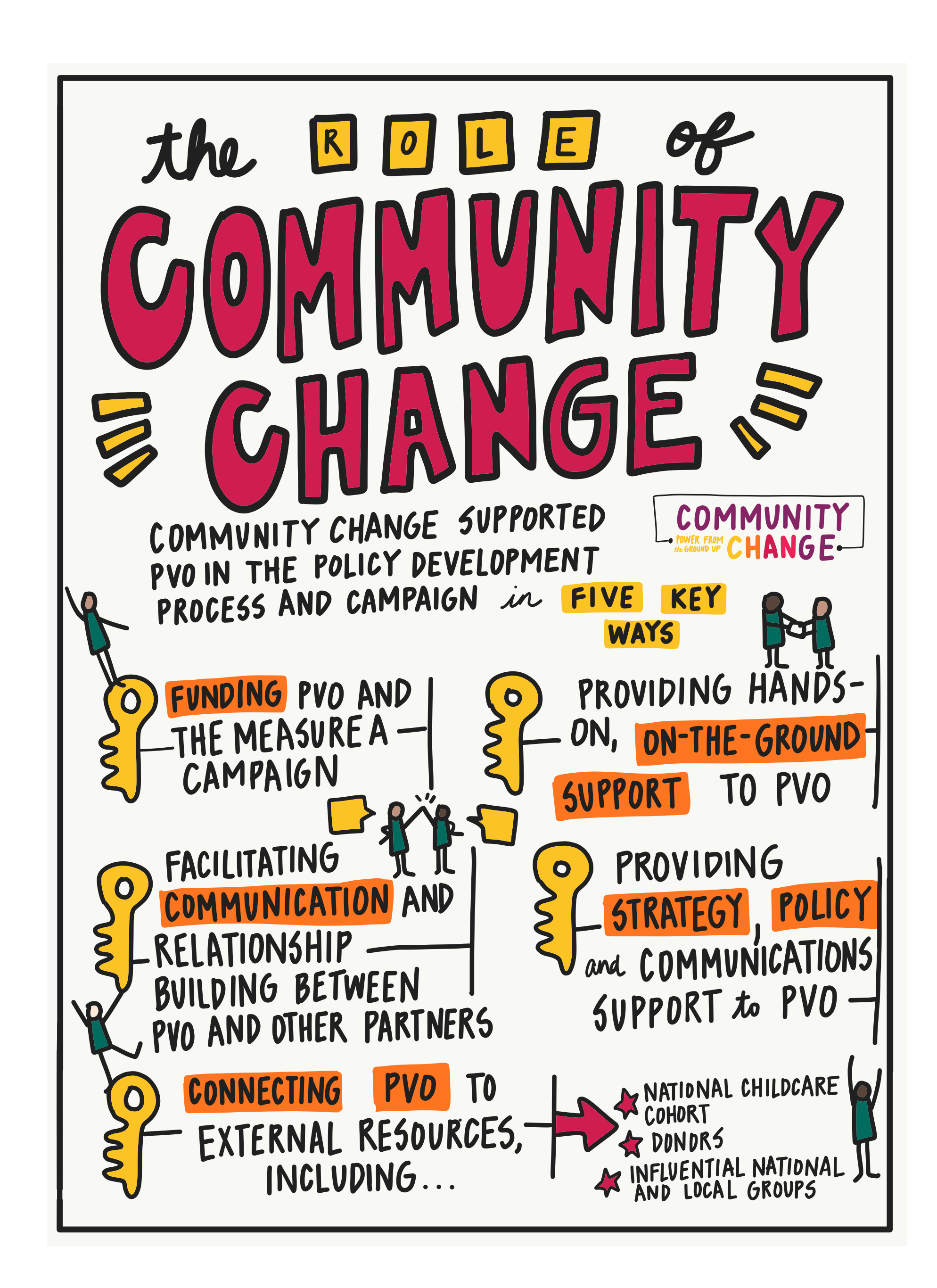
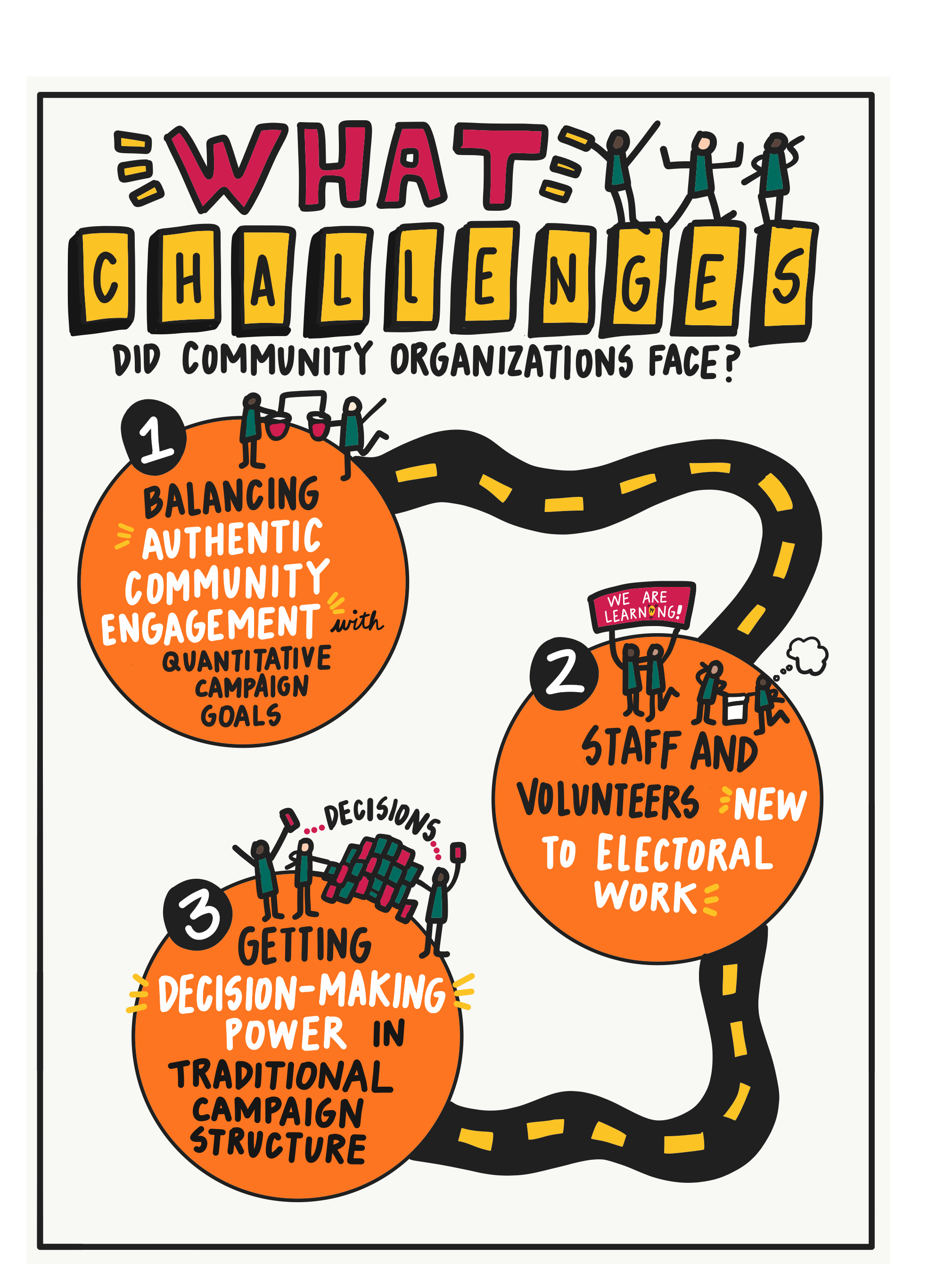
Hi everyone! I’m really excited to share about a project I recently collaborated on with my old employer Innovation Network. We worked together to create a visual narrative of a really cool and interesting case study.

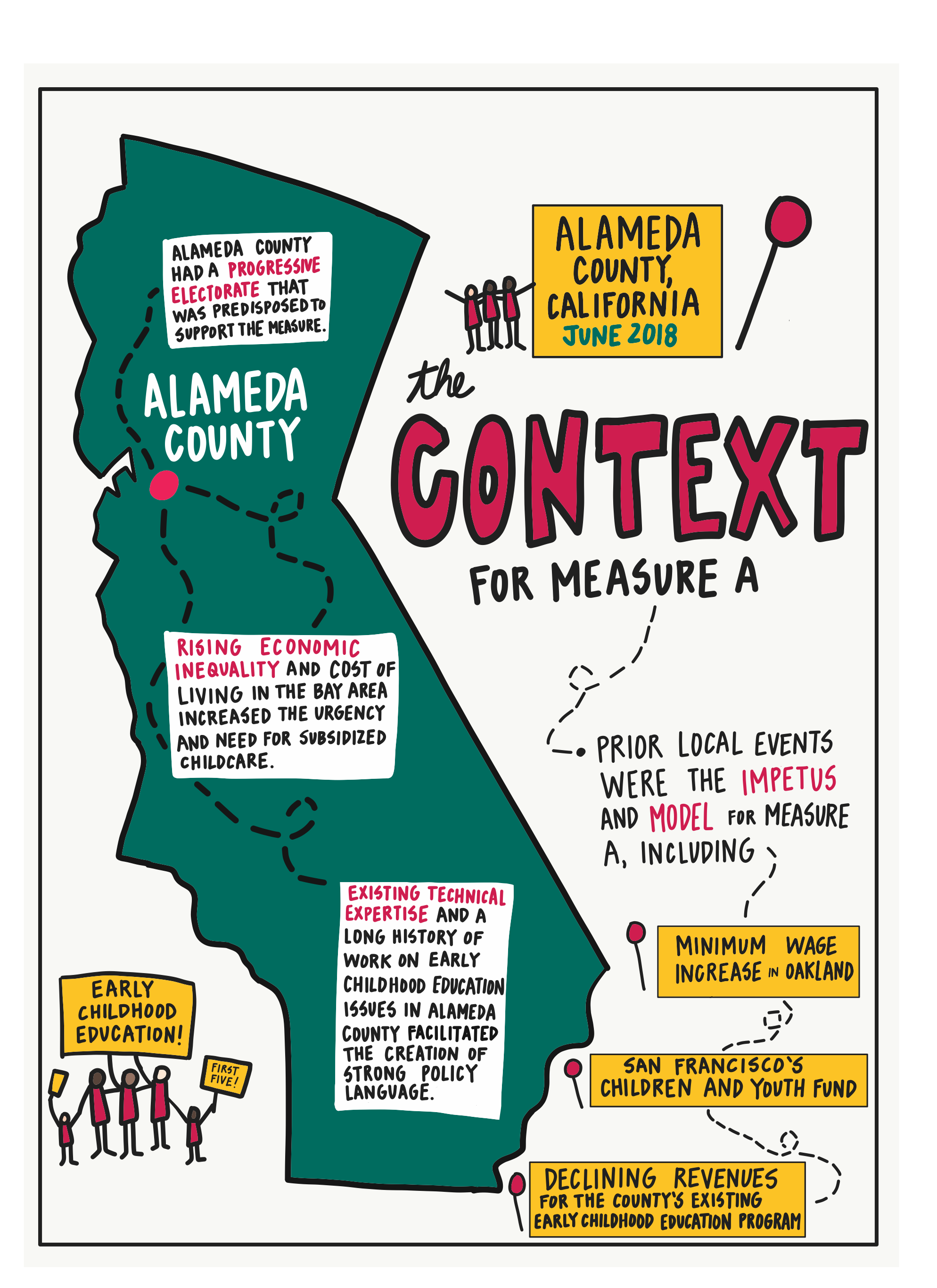
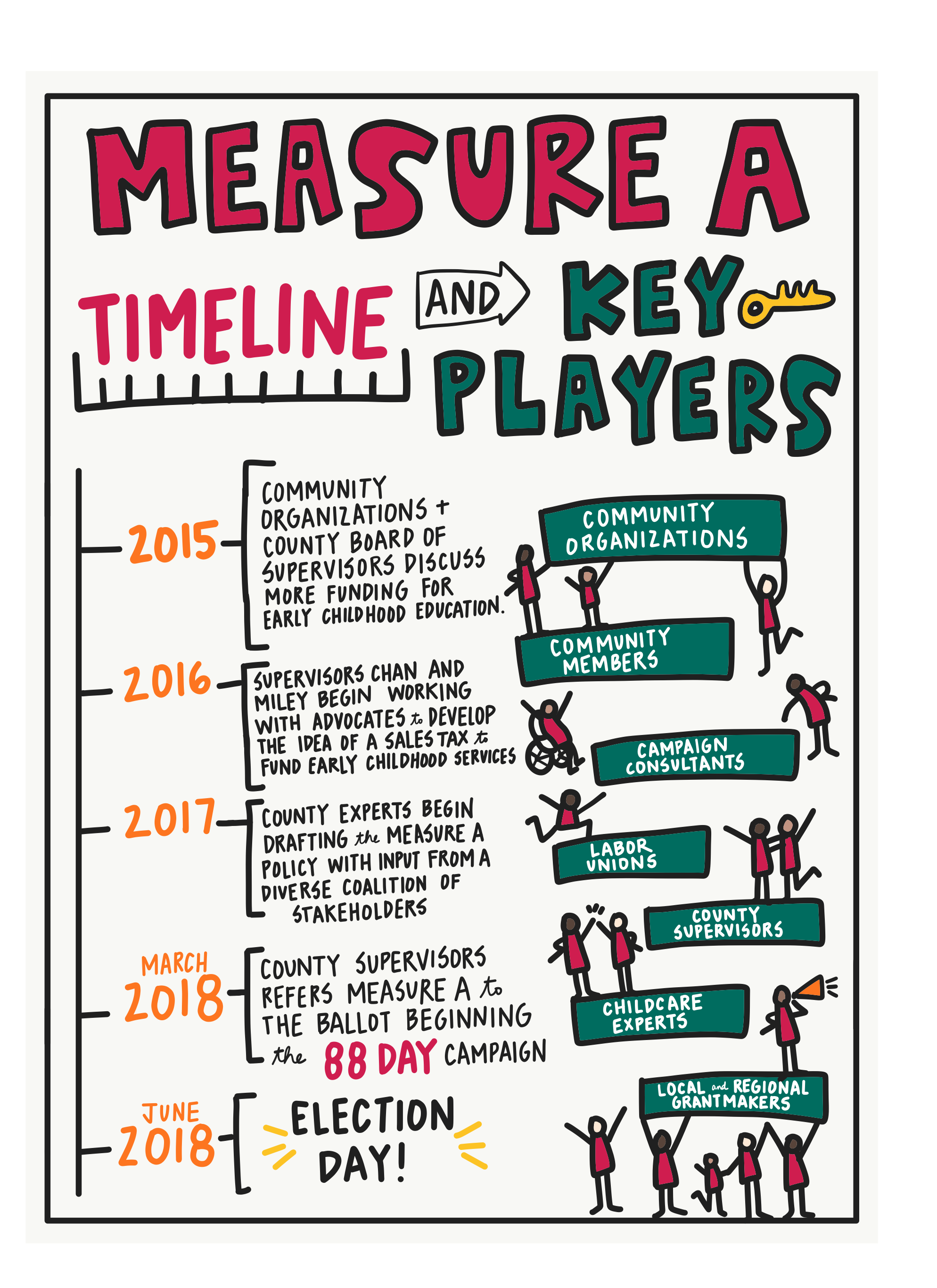
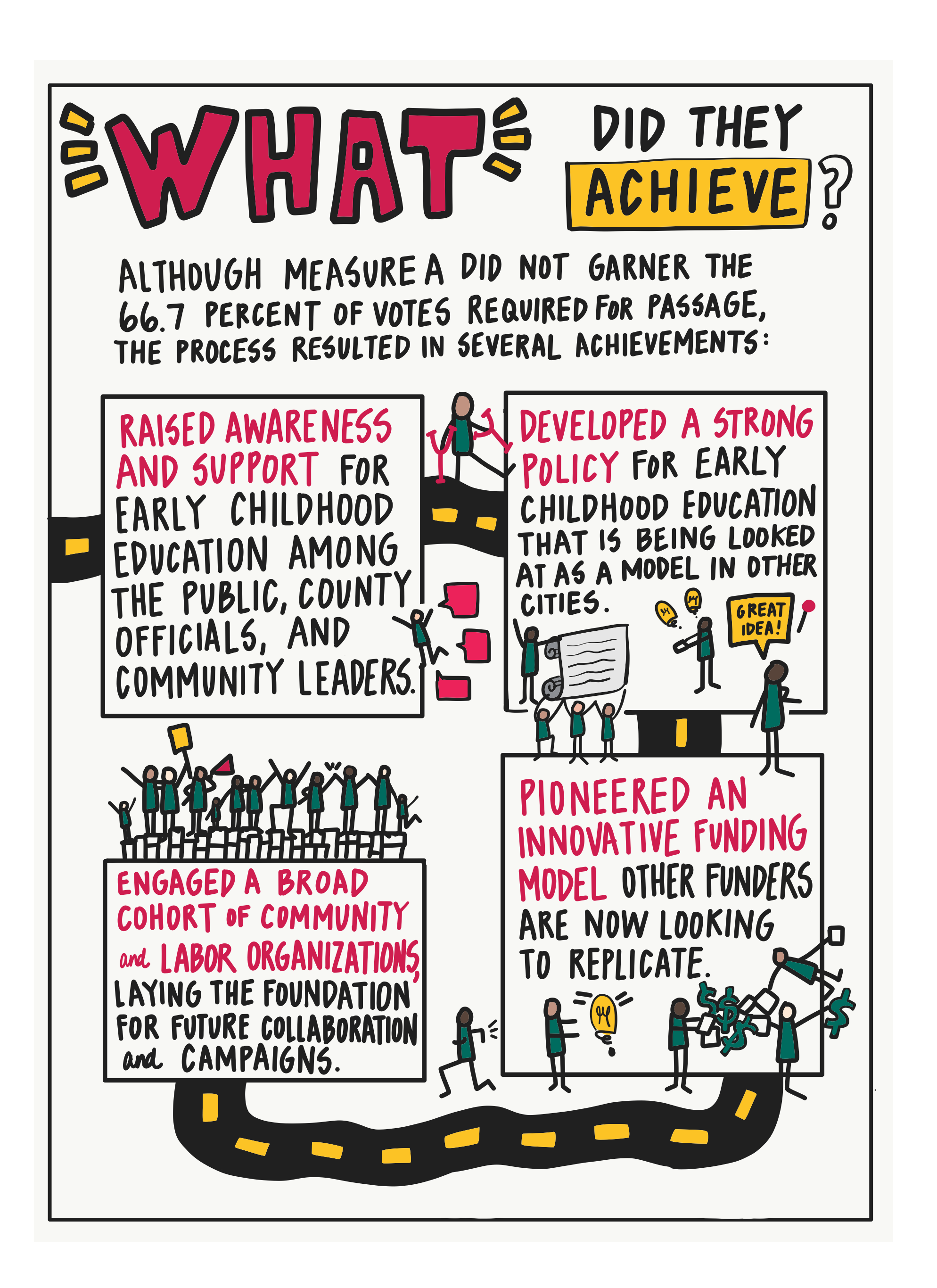
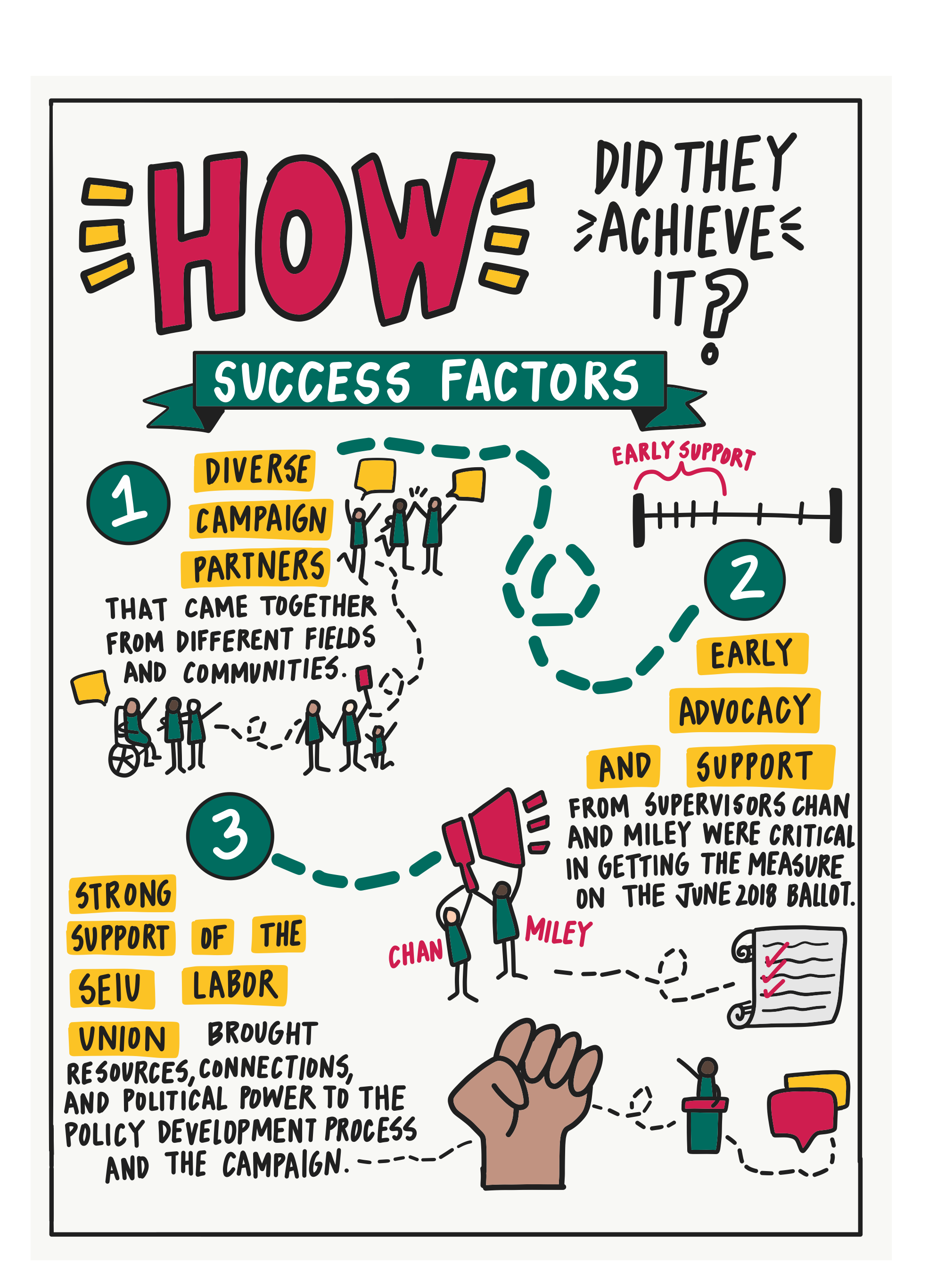
The visual narrative tells the story of how Parent Voices Oakland made important gains for early childhood education in Alameda County, California with support from Community Change. Parent Voices Oakland is a parent-led grassroots child care advocacy organization; they advocate for affordable, accessible, quality child care.

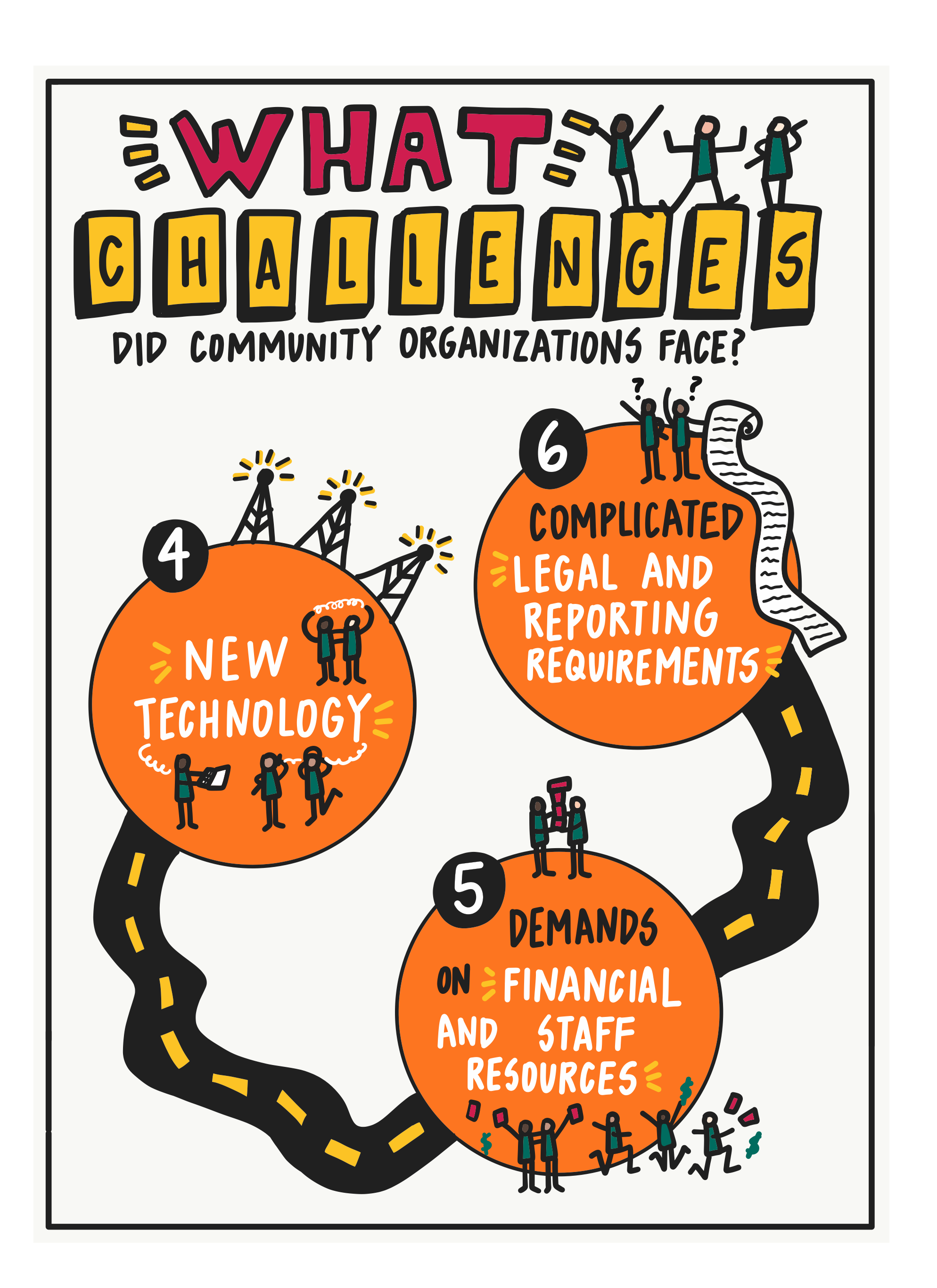
It’s a fascinating story that covers the challenges, tensions, and benefits for community organizations engaging for the first time or deeply in nonpartisan electoral work. Take a look at the full visual narrative below or download it here.
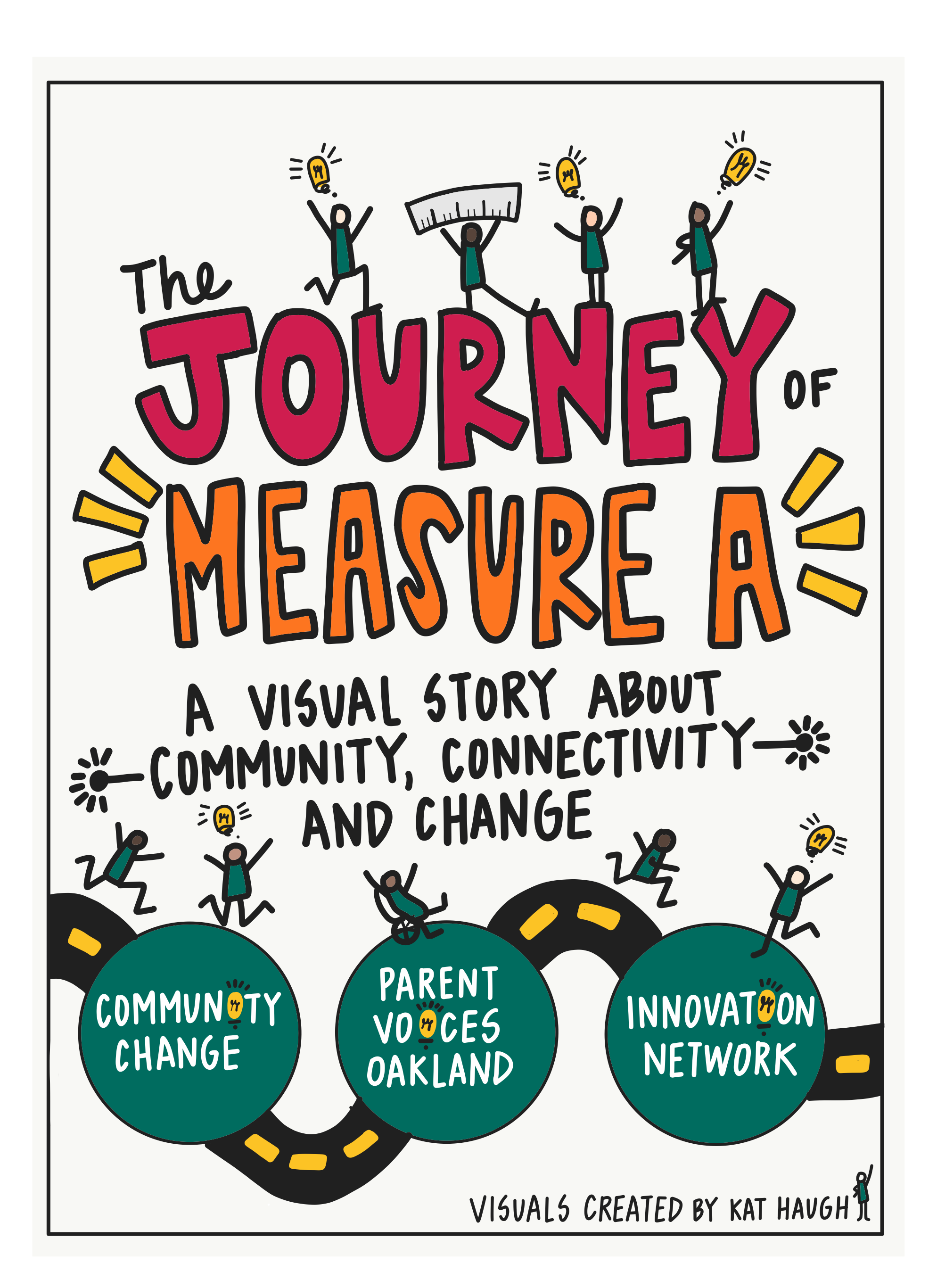
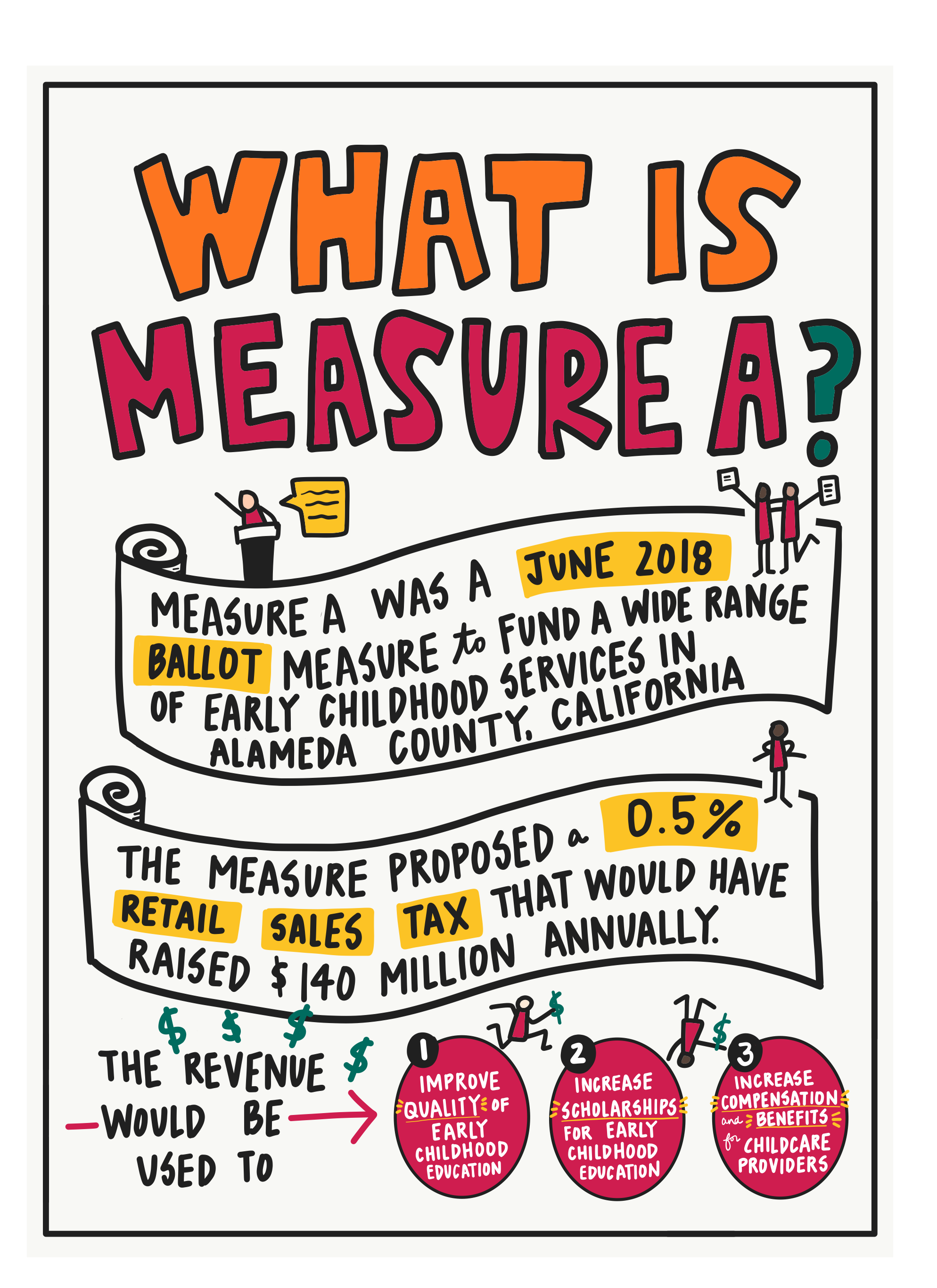
IN-visual-1 IN-visual-2 IN-visual-3 IN-visual-4 IN-visual-5 IN-visual-6 IN-visual-7 IN-visual-8 IN-visual-9 IN-visual-10 IN-visual-11 IN-visual-12

Written by cplysy · Categorized: katherinehaugh

Dec 22 2019

Journey Mapping 101: Inspiring Dynamic Participation Through Visual Storytelling

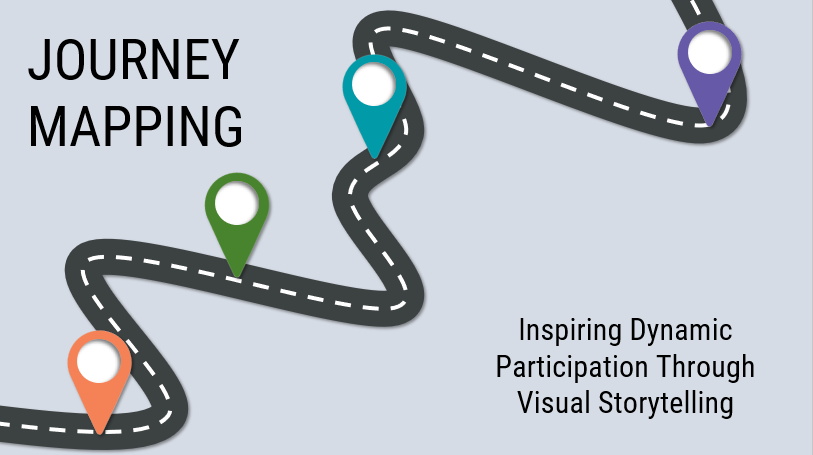
Hi friends! I recently presented on USAID LEARN‘s experience using journey mapping as a visual storytelling tool at the American Evaluation Association’s Annual Conference in Minneapolis. Along with my amazing colleague, Jenny Lyons of Pivot Data Design, we shared two case studies of how journey mapping has been used in the evaluation field, our reflections about what worked well and what did not, and ideas and tips for future application. We are so thrilled to see so much energy for journey mapping in the evaluation field and are looking forward to continuing to explore and share about this topic. Until then, take a look at the slides we created for our presentation below. I hope you have a restful and rejuvenating holiday, everyone! I’m excited to see what 2020 will bring.

Journey Mapping Slides_ AEA 2019 Presentation

JM-visual-1

Written by cplysy · Categorized: katherinehaugh

Dec 18 2019

Ask Nicole: How Are You Doing?

Have a question you’d like to be featured? Let me know. Early in the year, I picked up my phone to speak with a friend that I hadn’t talked to in a while. We met while as college students and youth activists through one of Advocates for Youth’s youth leadership initiatives. She’s a pediatrician and […]

The post Ask Nicole: How Are You Doing? appeared first on Nicole Clark Consulting.

Written by cplysy · Categorized: nicoleclark

Dec 15 2019

Telling Community Stories to Affect Change

It’s funny where the most interesting and engaging conversations can happen. At the gym last week, I had a few random, but passionate conversations with other members of the educational (and martial arts!) community about youth experiencing trauma and how it impacts their ability to participate in school, learn effectively, and handle their emotions. 

Trauma is something I wish I had learned about when I became a teacher over ten years ago. Like many new teachers, I struggled with classroom management. It is probably not surprising to learn that as a 5’2″, 22 year-old woman, I did not have a natural authoritative presence. However, there were many other reasons for the challenges I faced — ineffective and harmful administrators, a lack of shared expectations among our middle school team, and my own battle with anxiety. These all contributed to what often felt like turmoil in my classroom. While I always empathized with the challenges my students faced in their own lives, I never fully understood the ramifications of the trauma and hardship they experienced — nor did I know where to connect them or their families for additional support. 

I was lucky because the school had a wonderful social worker and part-time psychologist to whom I could refer students. They also served as great supports and sources of advice and knowledge for me as a new educator. Yet, there was little capacity and no infrastructure at the school for understanding and responding to trauma. I remember being told that students were experiencing homelessness, hearing stories about families who were involved in gangs, and seeing that students were extremely impoverished, but I had no tools to process these situations or fully support my students. I felt anguish about the situations they were experiencing, but I know I did not always respond effectively. 

Years later, after working in a community school and supporting many others, I know what more effective and comprehensive supports can look like. I have seen the benefits of wraparound services for students and families, including a full mental health team; meaningful enrichment and engagement opportunities for students and adults; connections to resources for basic needs such as housing, food, clothing, and adult education; efforts to track and review data on engagement, attendance, and supports provided; and most importantly, a loving and affirming approach to working with students and families with the greatest needs. Community schools — schools that become a hub of the surrounding community and provide these wraparound services for students, families, and community members — are well-supported by research. This model has been shown to be beneficial in reducing chronic absenteeism, improving school climate, increasing student achievement, and more. One of the findings from a 2017 Learning Policy Institute report states that:

“The evidence base provides a strong warrant for using community schools to meet the needs of low-achieving students in high-poverty schools and to help close opportunity and achievement gaps for students from low-income families, students of color, English learners, and students with disabilities.”

​So when my friend at the gym, a high school guidance counselor, told me that his school effectively did not have any mental health clinicians available to students, I was taken aback. I talk to him frequently about his school and the amazing ways in which he supports his students, so I was shocked to learn that this large high school was so under-resourced in this area. The school seems to be on its way toward providing wraparound services, with a brand new food pantry and the dedication of counselors like my friend. Yet this conversation made me realize that the services I took for granted in Baltimore City schools — which were still often insufficient to meet the high level of need — did not exist everywhere.

This was a critical and humbling realization. Of course, if we could make students’ barriers disappear — or at least provide them with the resources that they need to overcome these barriers and thrive — we would. But in the absence of a magic wand, what can we do? From my lens, this is where needs assessments and data tracking can play a huge role. Imagine if we collected stories from students, families, and staff about the challenges faced by the school community, each stakeholder group’s perceived needs, and their recommendations for meeting those needs. Now think about if we used factual data about the community and student population to support those stories. What we would get is an intensely compelling, collective narrative about what this community needs and how its members feel those needs could be met.

Could a needs assessment or set of data instantly bring on a full slate of mental health workers at this school? Of course not. But when we tell our story effectively, people (read: funders, decision-makers, influencers) listen. And when people start listening, we can inspire them to make change. 

Written by cplysy · Categorized: engagewithdata

Dec 13 2019

Stakeholder Analysis Tool (for Nonprofits)

Written by cplysy · Categorized: connectingevidence

  • « Go to Previous Page
  • Go to page 1
  • Interim pages omitted …
  • Go to page 289
  • Go to page 290
  • Go to page 291
  • Go to page 292
  • Go to page 293
  • Interim pages omitted …
  • Go to page 310
  • Go to Next Page »

Footer

Follow our Work

The easiest way to stay connected to our work is to join our newsletter. You’ll get updates on projects, learn about new events, and hear stories from those evaluators whom the field continues to actively exclude and erase.

Get Updates

Want to take further action or join a pod? Click here to learn more.

Copyright © 2026 · The May 13 Group · Log in

en English
af Afrikaanssq Shqipam አማርኛar العربيةhy Հայերենaz Azərbaycan dilieu Euskarabe Беларуская моваbn বাংলাbs Bosanskibg Българскиca Catalàceb Cebuanony Chichewazh-CN 简体中文zh-TW 繁體中文co Corsuhr Hrvatskics Čeština‎da Dansknl Nederlandsen Englisheo Esperantoet Eestitl Filipinofi Suomifr Françaisfy Fryskgl Galegoka ქართულიde Deutschel Ελληνικάgu ગુજરાતીht Kreyol ayisyenha Harshen Hausahaw Ōlelo Hawaiʻiiw עִבְרִיתhi हिन्दीhmn Hmonghu Magyaris Íslenskaig Igboid Bahasa Indonesiaga Gaeilgeit Italianoja 日本語jw Basa Jawakn ಕನ್ನಡkk Қазақ тіліkm ភាសាខ្មែរko 한국어ku كوردی‎ky Кыргызчаlo ພາສາລາວla Latinlv Latviešu valodalt Lietuvių kalbalb Lëtzebuergeschmk Македонски јазикmg Malagasyms Bahasa Melayuml മലയാളംmt Maltesemi Te Reo Māorimr मराठीmn Монголmy ဗမာစာne नेपालीno Norsk bokmålps پښتوfa فارسیpl Polskipt Portuguêspa ਪੰਜਾਬੀro Românăru Русскийsm Samoangd Gàidhligsr Српски језикst Sesothosn Shonasd سنڌيsi සිංහලsk Slovenčinasl Slovenščinaso Afsoomaalies Españolsu Basa Sundasw Kiswahilisv Svenskatg Тоҷикӣta தமிழ்te తెలుగుth ไทยtr Türkçeuk Українськаur اردوuz O‘zbekchavi Tiếng Việtcy Cymraegxh isiXhosayi יידישyo Yorùbázu Zulu