• Skip to main content
  • Skip to footer
  • Home

The May 13 Group

the next day for evaluation

  • Get Involved
  • Our Work
  • About Us
You are here: Home / Archives for cplysy

cplysy

Apr 13 2020

Use change language in reports

An engaging report uses ‘change language’ instead of action language.

Hunh?

Ok, it’s not as complicated as these big words suggest. Language matters. Let’s look at it closer:
ACTION LANGUAGE

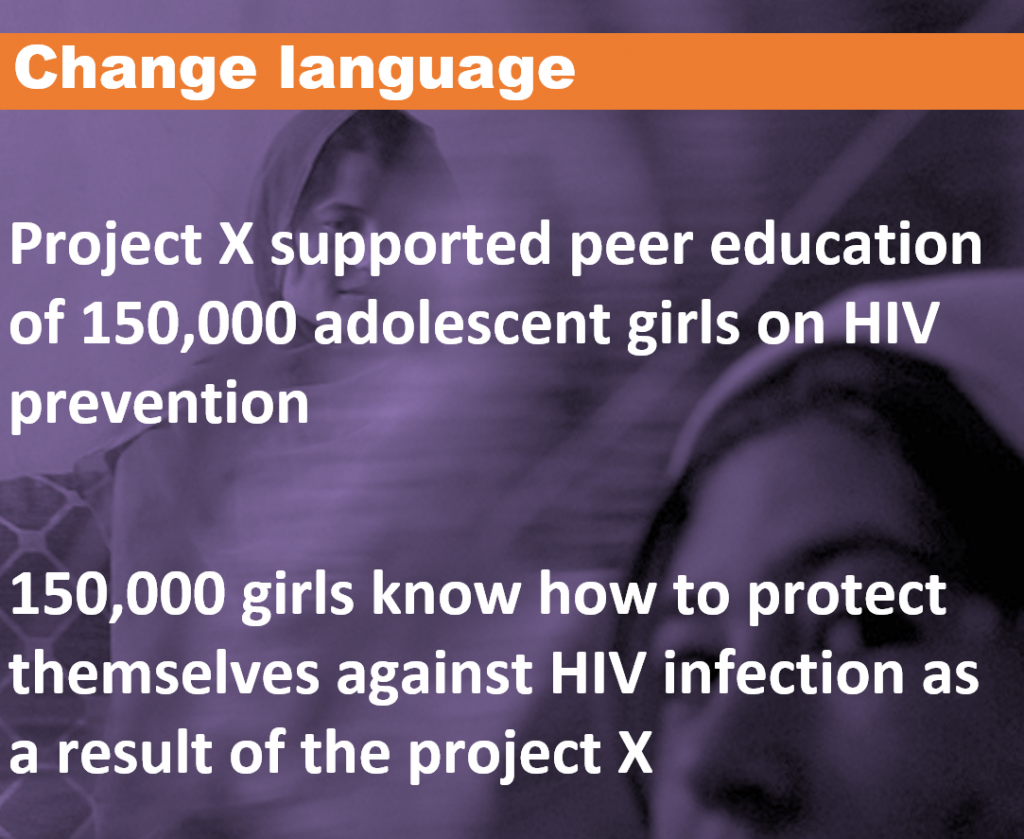
Action language reflects the completion of a series of activities. An example of action language is:

“XYZ supported the peer education of 150,000 girls on HIV prevention”

Avoid using action language.

CHANGE LANGUAGE

Instead of action language, use change language. Change language reports on the results of an action instead of the action itself.

An example of action language is:

“150,000 girls know how to protect themselves against HIV infection with the support of XYZ”

PHRASES TO AVOID

Using change language rather than action language means that we avoid action-focused phrases like:

“Organization XYZ supported …”

“Organization XYZ worked with …”

“Organization XYZ enhances…”

“Organization XYZ promoted…”

“Organization XYZ focused on…”

“Organization XYZ sought to…”

“Organization XYZ attempted to…”

Instead, describe the change that these activities lead to.

EXCLUDE INTERNAL MATTERS

Avoid reporting on internal matters which are not directly related to delivering results. This includes e.g. capacity-building of staff, issues to do with project management, implementation, staffing, etc.

Two examples of  what not to include:

In 2013, 15 XYZ and project staff were trained in human rights

Management of the project in the second half of 2013 has improved significantly, as has communication between counterparts, project staff and organization XYZ.

The post Use change language in reports appeared first on Thomas Winderl.

Written by cplysy · Categorized: thomaswinderl

Apr 11 2020

entering the clearing

Photo by  Robert V. Ruggiero  on  Unsplash

Photo by Robert V. Ruggiero on Unsplash

A friend asked me today how I was figuring out the current crisis, and we had a lovely clarifying conversation about our respective struggles and journeys. A few ideas surfaced for me that I want to preserve and share.

One is that I’m looking to the desired present instead of a desired future. Not because I have no hopes or aspirations for the future, but because I don’t find it helpful right now to aim for something I can’t see. I don’t know what the future will hold. I don’t know where this moment goes. I’m hoping there’s a future out there so different from this one that I can’t even imagine it fully much less trace a path to it by design. All I want to do is find the best part of whatever moment I am in, and work with that.

My friend asked if I thought humanity would better or worse after this moment and I realized don’t think there is an “after” in the sense of a threshold, a “before and after”. I think the change is already here, I think “better” or “worse” will be a mix, and what happens next will play out on vastly different timescales. Some of the realities of today will be a memory a year from now. Some of the implications won’t be apparent for generations. My grandmother was shaped by the Depression, and through her it shaped her children, and through them her grandchildren. So I’m not navigating by a future vision, I’m looking to the immediate moment and trying to find the need in it and serve that need with whatever I have to give. As my friend put it, thinking of her one-year-old, this moment is requiring us to model the kind of people we need to be right now in order to get through this, and that’s what the future really needs from us.

I’m also trying to pace myself. In all ways I’m trying to find the rhythm I can live by, to pace my sorrows and my joys, to let there be swells of activity and ebbs of rest. I’m thinking about the last time I sang in a crowd, one of the evenings of song and harmonizing led by Vanessa Richards at her Van Van Song Society weekly drop-in choir (now moved online where she’s exploring new ways to keep community connected in song), and what it feels like to be part of a throng of people feeling each other out by voice. One of the things I love about Vanessa’s choir is the freedom to simply to sing together, without any particular aspiration beyond joy, community, and finding what sounds good to our ears and our bodies. We vocalize and play and find harmonies and fit in where we feel comfortable. That’s the kind of pacing I’m seeking, feeling out where I fit amidst all the other voices and bodies, in a way that’s comfortable to me while lending myself to the song. This is a long road, but we’re walking it together.

And that’s the other thing I’m working on. To learn to see myself always as connected. To see my work not as amplifying and serving individuals or organizations (though I may be working with individuals and organizations), but as amplifying and serving connections, communities, wholes. That what I do (or don’t do) ripples outward, and to feel a sense of responsibility to that, but not as an individual burden, because I am connected. That’s terrifying to me because I don’t know if I’m up for it. I’ve spent a lot of time trying to be as self-sufficient as possible, to feel as safe as possible that I won’t inconveniently need something I can’t provide or acquire for myself, to avoid the terror and (and sometimes literal danger) of vulnerability. But I’ve only been able to do that by leaning into capitalism, ableism, settler colonialism, and white supremacy culture (and everything else inextricably tied up in all of that), which means lessening the terror and danger for myself, at least temporarily, but only by pushing it off onto others. There’s a curve of inequality that desperately needs to be flattened.

So the seeds I am planting now, in the upturned, upheaved soil of my life, are ones of kindness, connection, and trust. I can’t engineer the future, but I can fill the present moment with what matters most to me and know that it will ripple outward from there.


One way to keep things rippling out is to support fundraising and mutual aid efforts in your area if you are in a position to do so. Here are some of the ones I’ve been supporting. We are connected and we need each other.


Here’s the poem that Vanessa closed out our most recent evening of choir with, which spoke to my heart in perfect, bell-like tones:

Clearing

Do not try to save
the whole world
or do anything grandiose.
Instead, create
a clearing
in the dense forest
of your life
and wait there
patiently,
until the song
that is your life
falls into your own cupped hands
and you recognize and greet it.
Only then will you know
how to give yourself
to this world
so worth of rescue.

Martha Postlewaite

Written by cplysy · Categorized: carolyncamman

Apr 07 2020

5 tips for good reporting

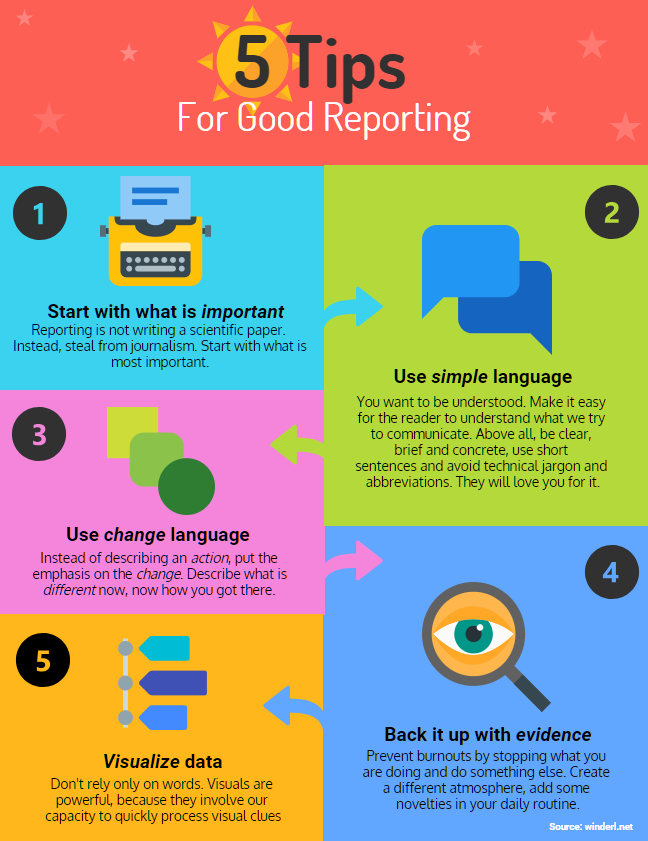
Good reporting isn’t that hard. My five tips are: 1. start with what is important, 2. use simple language, 3. use change language, 4. back it up with evidence, and 5. visualize data.

The post 5 tips for good reporting appeared first on Thomas Winderl.
Written by cplysy · Categorized: thomaswinderl

Apr 07 2020

Evaluation Mindset: Imagining a Destination

There are all sorts of purposeful goal-driven people and organizations. Intent on following a path towards a destination that is clear in their minds. They might have even put the destination down on paper, charting the course and knowing the way forward.

But that is not all organizations, and certainly not all people.

We don’t need the expensive tools to navigate our way through the modern world. We just need the discipline to see the evidence, understand our origin, imagine our destination, and plot our course.

The Evaluation Mindset: The Role of the Evaluator

So what happens when the destination is not so clear?

When you only have a problem in need of a solution? Or when the problem is far too complex for any single intervention or initiative to resolve? Or when changing circumstances change the problem, and the tools you used in the past are clearly not the tools you will use in the future?

How do you even start?

After falling down the rabbit hole.

“Would you tell me, please, which way I ought to go from here?”
“That depends a good deal on where you want to get to,” said the Cat.
“I don’t much care where —–” said Alice.
“Then it doesn’t matter which way you go,” said the Cat.
“—— so long as I get somewhere,” Alice added as an explanation.
“Oh, you’re sure enough to do that,” said the Cat, “if you only walk long enough.”

Alice’s Adventures in Wonderland

I love that quote.

At that moment, the Cheshire Cat is simultaneously 100% correct and totally unhelpful.

Alice, for her part, isn’t really one to be told where to go. She followed her curiosity down the rabbit hole and, lost as she was, didn’t have a destination. She wasn’t longing for home, just kind of wandering forward.

Most evaluators are at least part Cheshire Cat. But pointing out that a project has no clear direction is not always helpful, even if it’s true.

All sorts of projects, initiatives, programs, and non-profits don’t have a clear direction. That’s not a flaw, it’s a feature. It also doesn’t mean that they don’t need help from evaluators, or that we don’t have a role until they find their direction.

Having direction is not the starting point.

Problems/opportunities, not actions, are the prerequisites for evaluation.

Most projects are reactions to societal problems.

Poverty, homelessness, hunger, domestic violence, illiteracy, joblessness, drug abuse, climate change, inequity, conflict, and countless other societal problems trigger the need for solutions.

Some other projects leverage opportunities. Such as a pot of money left behind by a wealthy industrialist or soon-to-be college seniors on summer break in desperate need of quality work experience.

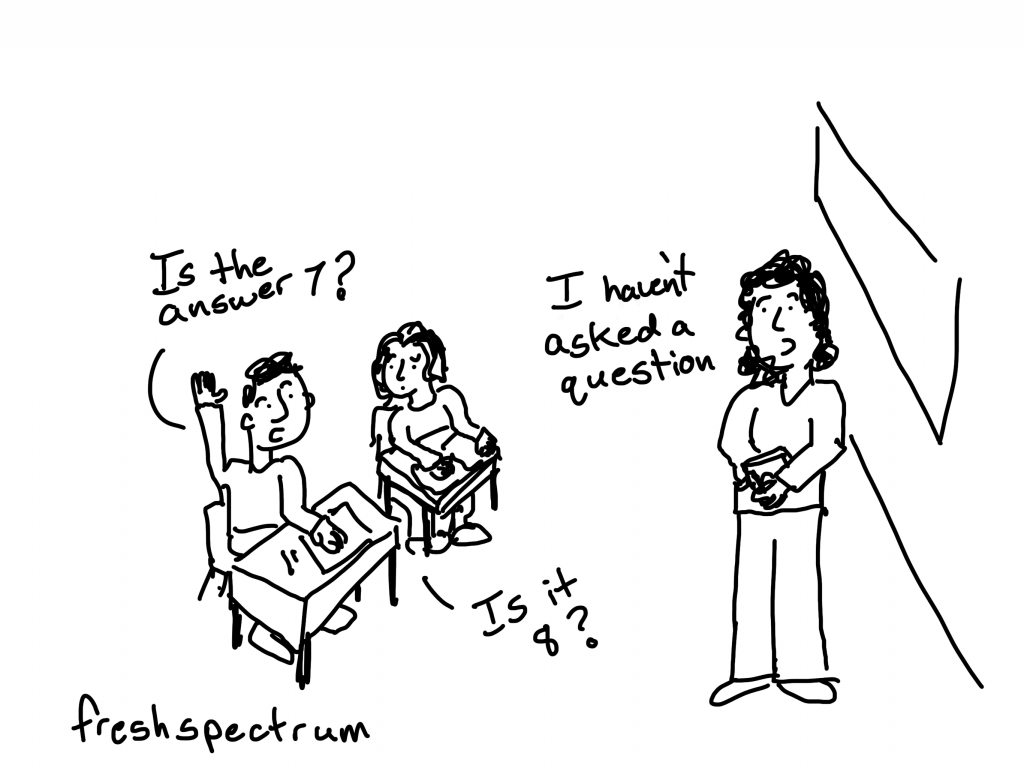
Just like how questions precede answers, problems and opportunities precede solutions.

In an earlier post I talked about how our actions have consequences. And in a traditional summative or formative evaluation, how our actions lead to desired consequences is most certainly the focus.

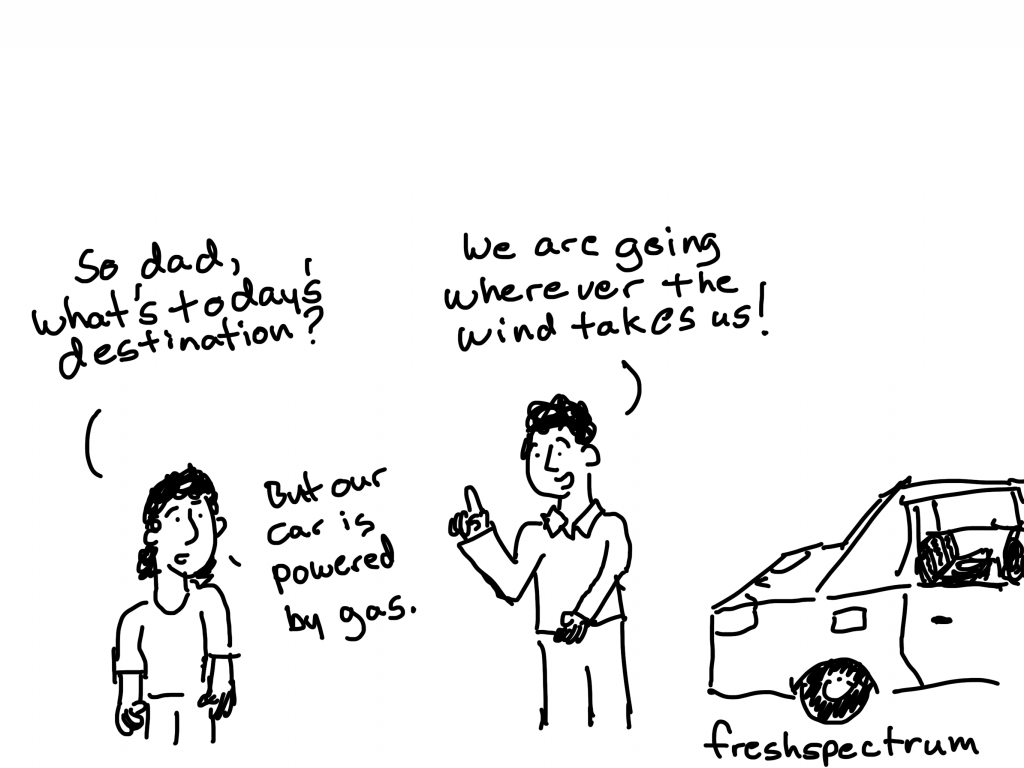
But until we can imagine our destination, taking action is just wandering forward like Alice, lost and directionless.

Brainstorming your desired consequences.

Every project is an attempt to change the world, from a tiny localized change to huge sweeping global change. Being honest about the level of change you hope to bring at the front of the project can reduce a lot of headaches later.

What we want to get away from at the start is the “just do some stuff and hope for the best” mentality. Playing it safe while hoping for a huge win. It makes failure impossible, but it puts limits on success.

You start with just a simple brainstorming question.

What would the world look like if you were successful?

  • Write it down on in the middle of a piece a paper and start jotting down ideas.
  • Send it in an email to all of your colleagues.
  • Put it up on a whiteboard during your next staff meeting.
  • Create a slide with that question and screen share it during your next Zoom call.

Keep it simple at first, then start to add some “what if” qualifiers.

  • What if we had to do our project on a shoestring budget?
  • What if we were given a 1 million dollar grant for this project alone?
  • What if a big company decided to partner with us?
  • What if we had 3 new hires that could be dedicated to this project?
  • What if we put a central focus on increasing equity?
  • What if we increased our scope?
  • What if we reduced our scope?
  • What if we only had 3 months to see results?
  • What if we had 5 years to see results?
  • What if the entire world was told to stay and work from home for months?
  • What if we could only meet digitally?

Painting the picture of your imagined destination using rubrics.

As you start processing the brainstorm, it’s helpful to develop a tangible product to help organize your thoughts. Rubrics are a really nice way to paint the picture of your imagined destination and make it measurable.

At this point you’ll be tempted to dive into the actions and consequences that will be necessary to help you change the world. But I would encourage creating a rubric of your destination first. You can always change it, but having a sense of where you are going can give you the guidance necessary to set your course.

Let’s take our brainstorming question and split it into a sequence of statements.

  • This is how the world will look if we are successful.
  • This is how the world will look if we are somewhat successful.
  • This is how the world will look if we are not at all successful.

You’ll need a timeframe, base this is on your project. How long until you expect to see some results? How long until you think your project can be judged as a success or failure?

Now write a short paragraph under each statement using information gathered during the brainstorming activities. Try to find ways to describe your new world that would be measurable.

The evidence you use should ideally use a mix of methods, both qualitative and quantitative. It should also be realistic that you can obtain the evidence. Rubrics are practical tools.

Want to dive deeper?

  • Create similar kinds of rubrics for waypoints along your journey, what types of evidence should you start to see to know you are heading in the right direction?
  • Subdivide your rubric into mini rubrics, taking on different aspects of your project. This can make charting a course easier helping you connect your destination with your actions.
  • Create short term or super long term rubrics. Be honest about the level of change you believe you can bring.
  • Finally, use these rubrics, and allow them to evolve over time as your thinking evolves. Rubrics are really great formative evaluation tools as well as summative tools for measuring impact.

Upcoming UnWebinar with Carolyn Camman.

Register now for Eval Central’s event on Crowdcast, scheduled to go live on Wednesday, April 08, 2020 at 3:00 pm EDT.

Click here to register for the series> crowdcast.io/e/evalcentral

This coming week we have a special guest: Carolyn Camman

This week’s seed topic: What does it mean to put Developmental Evaluation into Practice?

Topic inspiration: Carolyn’s lastest blog post: Complexity and Equity 

Upcoming Doing Nothing Webinar

On Friday, April 10 I’ll be spending an hour doing nothing starting at 11 AM Eastern time.

Want to join me? You can register to do so here: https://www.crowdcast.io/e/doingnothing

Written by cplysy · Categorized: freshspectrum

Apr 07 2020

Evaluation’s Yoda


Master Yoda
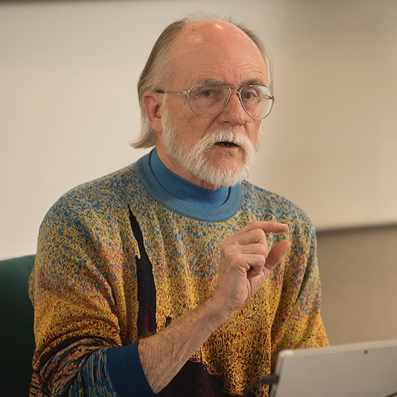
Michael Quinn Patton 1

The first evaluation book I read was Michael Quinn Patton’s (aka MQP) Utilization-Focused Evaluation. It was an intimidating introduction to evaluation. The book is 667 pages of subject matter that isn’t exactly light. However, it is full of anecdotes, case studies, stories, pictures and metaphors that inspired me to keep reading. His use of metaphors helped me transcend literal concrete evaluation concepts and theories and instead helped me create images that were easier to understand, process and ultimately use (talk about utilization-focused!)

I am now a full-time evaluation consultant who co-founded Three Hive Consulting – a company that provides people with evaluation expertise they need to learn and improve. Eleven years later, I still refer to that book and a multitude of other evaluation resources MQP has bestowed upon our professional niche over the years. He is the one I, along with many other evaluators, listen to and learn from. Like Yoda, MQP is revered for his wisdom and his power to inspire thinking differently about evaluation ideas. And while he isn’t a small, green humanoid alien there are striking similarities between the two (that go beyond the bald head and unique sweaters).

Yoda trained Jedi for 800 years and had a hand in training almost every Jedi master in the galaxy

Picture3.png

When you visit MQP’s website it is obvious he is evaluation’s Jedi master. He has worked in the field for almost 50 years – beginning just when evaluation was emerging as a profession. During that time, he has authored numerous books that include Principles-Focused Evaluation (2018), Facilitating Evaluation (2018), Developmental Evaluation (2010) and Utilization-Focused Evaluation (2008). He has also edited or contributed articles to numerous books and journals.

MQP is an active trainer, workshop presenter and evaluation consultant. He has trained evaluation Jedis all over the world and across different organizational sectors. In fact, his Blue Marble Evaluation is all about training evaluators to engage with and evaluate global change efforts.

Yoda is revered for his wisdom and has tremendous power in the force

Over his 50 years in the field, MQP has accumulated a wealth of knowledge, but his power in the evaluation world doesn’t come from information gathering. Knowledge relates to learned facts, but wisdom means putting that knowledge to good use. Wisdom is about knowing which facts are relevant and being able to thoughtfully apply that information.

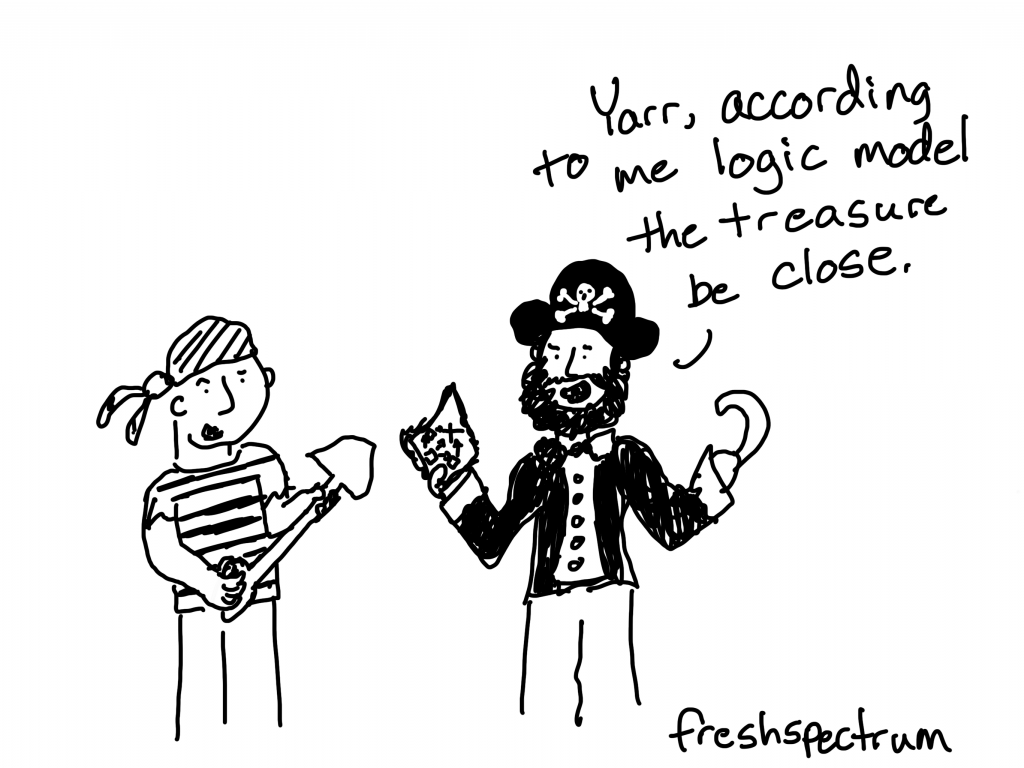
Through his work over the years, MQP found that traditional evaluation approaches were not meeting the needs of social innovators – they needed another approach to match the nature and scope of innovations. Instead of imposing logic models and rigid methods and approaches on these innovations, MQP developed an evaluation approach called Developmental Evaluation. With Developmental Evaluation it is okay to begin an evaluation without clear, measurable outcomes when you’re in new territory with massive challenges and you don’t know the solution.

We are all creatures of habit; as evaluators we have our go-to methods. Yoda taught us that to achieve growth and success, sometimes “you must unlearn what you’ve learned.” While MQP isn’t saying we must unlearn traditional evaluation approaches, he is cautioning that to successfully evaluate complexity we need to be ready to change our attitudes and leave the comfort zone that our logic models provide.

Yoda warns Luke won’t be a Jedi until he confronts Darth Vader

MQP says that evaluation “grew up in the projects” and has a project mentality. But evaluators are increasingly tasked to move beyond evaluating projects and programs and instead are called to evaluate non-traditional and new directions like systems change, policy, strategy and transformation.

Evaluators are being challenged to evaluate these new directions because our world is so much more connected. Our interconnected world means global challenges like the COVID-19 pandemic, climate change, migration and inequality, among others, are not confined to borders. MQP developed Blue Marble Evaluation “to ensure that evaluators are prepared to engage with and evaluate these global change efforts” which he says require special perspectives and competencies:

“It means bringing the full arsenal of evaluation thinking, tools, methods, and processes to bear at a global level — and creating new approaches appropriate to the challenges of global systems evaluation.”

Much like when Yoda warns Luke he wouldn’t be a Jedi until he confronts Darth Vader, MQP is cautioning that evaluators won’t be full Jedi evaluators until we confront global challenges (our Darth Vader) by thinking globally, acting locally and evaluating globally.

Yoda is a comical, eccentric, provocative character

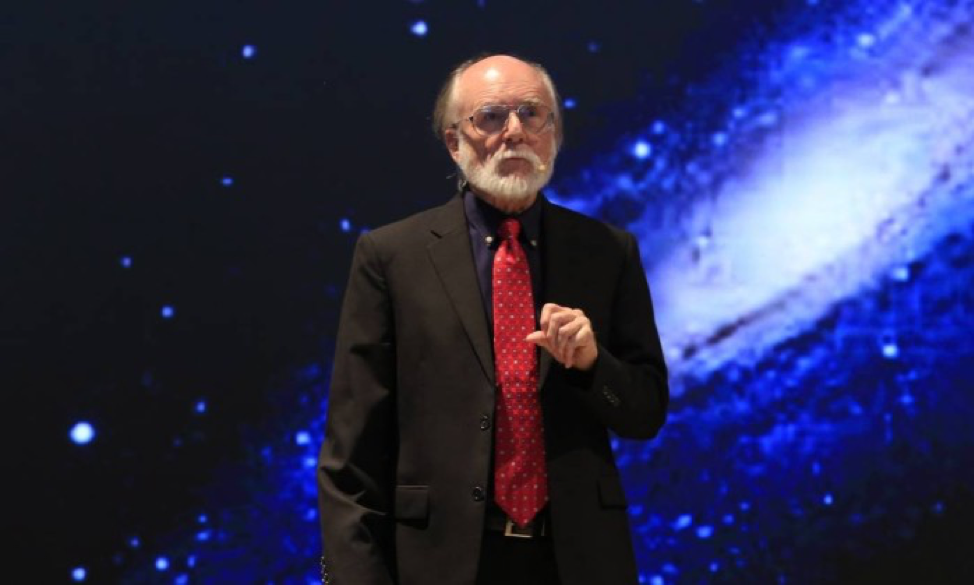
MQP is a comical, eccentric, provocative character. Case in point….

Thank you MQP for being our Yoda. Thank you for your wisdom, but more importantly thank you for passing it on. As Yoda taught us, the wisdom we gain in life is a gift to pass along—not to keep to ourselves. To all you evaluation Jedis out there, share your insights with others as Yoda and MQP did with us, for

“in a dark place we find ourselves, and a little more knowledge lights our way”

Picture5.jpg

Sign up for our newsletter

We’ll let you know about our new content, and curate the best new evaluation resources from around the web!


We respect your privacy.

Thank you!


Written by cplysy · Categorized: evalacademy

  • « Go to Previous Page
  • Go to page 1
  • Interim pages omitted …
  • Go to page 272
  • Go to page 273
  • Go to page 274
  • Go to page 275
  • Go to page 276
  • Interim pages omitted …
  • Go to page 304
  • Go to Next Page »

Footer

Follow our Work

The easiest way to stay connected to our work is to join our newsletter. You’ll get updates on projects, learn about new events, and hear stories from those evaluators whom the field continues to actively exclude and erase.

Get Updates

Want to take further action or join a pod? Click here to learn more.

Copyright © 2026 · The May 13 Group · Log in

en English
af Afrikaanssq Shqipam አማርኛar العربيةhy Հայերենaz Azərbaycan dilieu Euskarabe Беларуская моваbn বাংলাbs Bosanskibg Българскиca Catalàceb Cebuanony Chichewazh-CN 简体中文zh-TW 繁體中文co Corsuhr Hrvatskics Čeština‎da Dansknl Nederlandsen Englisheo Esperantoet Eestitl Filipinofi Suomifr Françaisfy Fryskgl Galegoka ქართულიde Deutschel Ελληνικάgu ગુજરાતીht Kreyol ayisyenha Harshen Hausahaw Ōlelo Hawaiʻiiw עִבְרִיתhi हिन्दीhmn Hmonghu Magyaris Íslenskaig Igboid Bahasa Indonesiaga Gaeilgeit Italianoja 日本語jw Basa Jawakn ಕನ್ನಡkk Қазақ тіліkm ភាសាខ្មែរko 한국어ku كوردی‎ky Кыргызчаlo ພາສາລາວla Latinlv Latviešu valodalt Lietuvių kalbalb Lëtzebuergeschmk Македонски јазикmg Malagasyms Bahasa Melayuml മലയാളംmt Maltesemi Te Reo Māorimr मराठीmn Монголmy ဗမာစာne नेपालीno Norsk bokmålps پښتوfa فارسیpl Polskipt Portuguêspa ਪੰਜਾਬੀro Românăru Русскийsm Samoangd Gàidhligsr Српски језикst Sesothosn Shonasd سنڌيsi සිංහලsk Slovenčinasl Slovenščinaso Afsoomaalies Españolsu Basa Sundasw Kiswahilisv Svenskatg Тоҷикӣta தமிழ்te తెలుగుth ไทยtr Türkçeuk Українськаur اردوuz O‘zbekchavi Tiếng Việtcy Cymraegxh isiXhosayi יידישyo Yorùbázu Zulu