• Skip to main content
  • Skip to footer
  • Home

The May 13 Group

the next day for evaluation

  • Get Involved
  • Our Work
  • About Us
You are here: Home / Archives for cplysy

cplysy

Nov 27 2018

Bottom-Up Peace: Everyday Peace Indicators Project

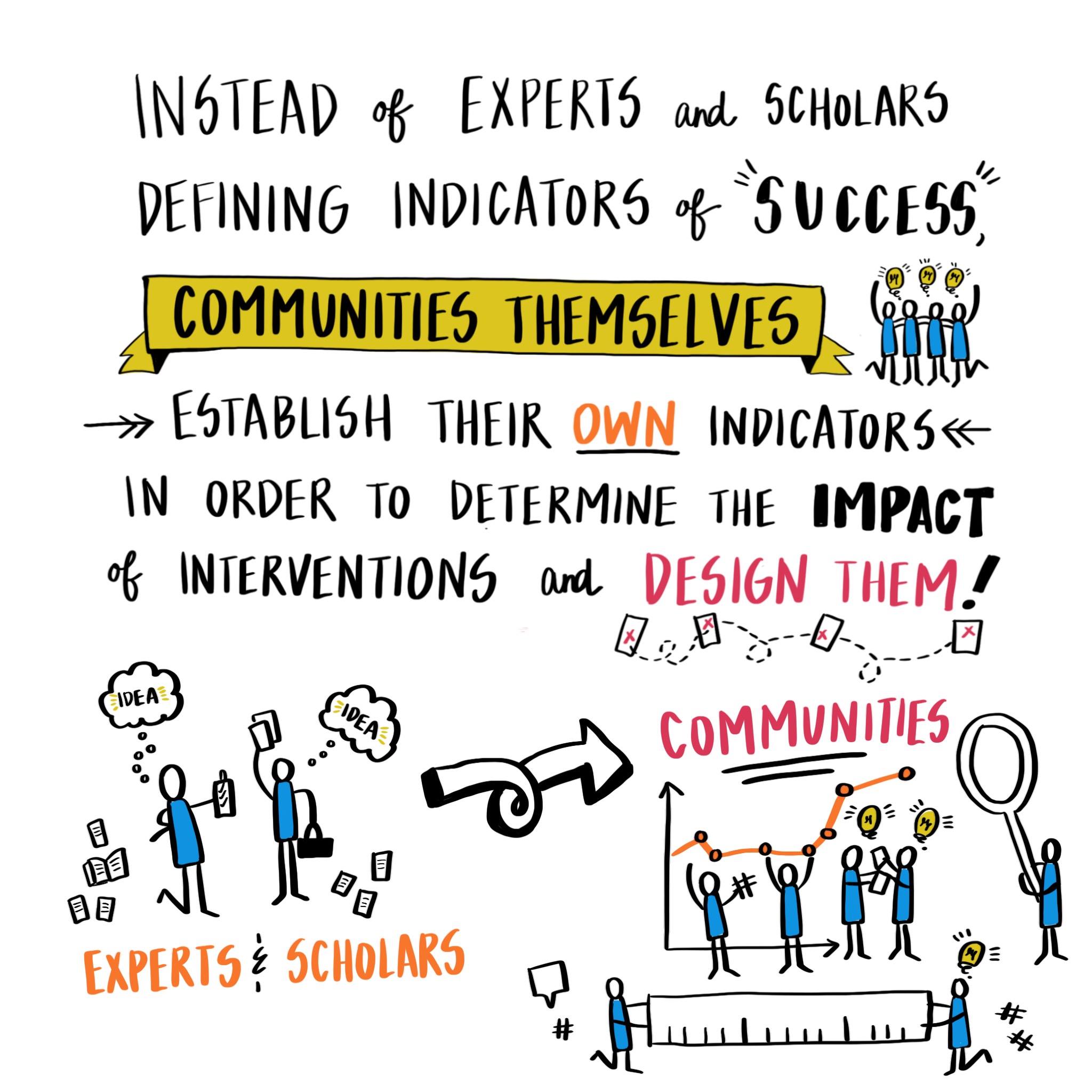
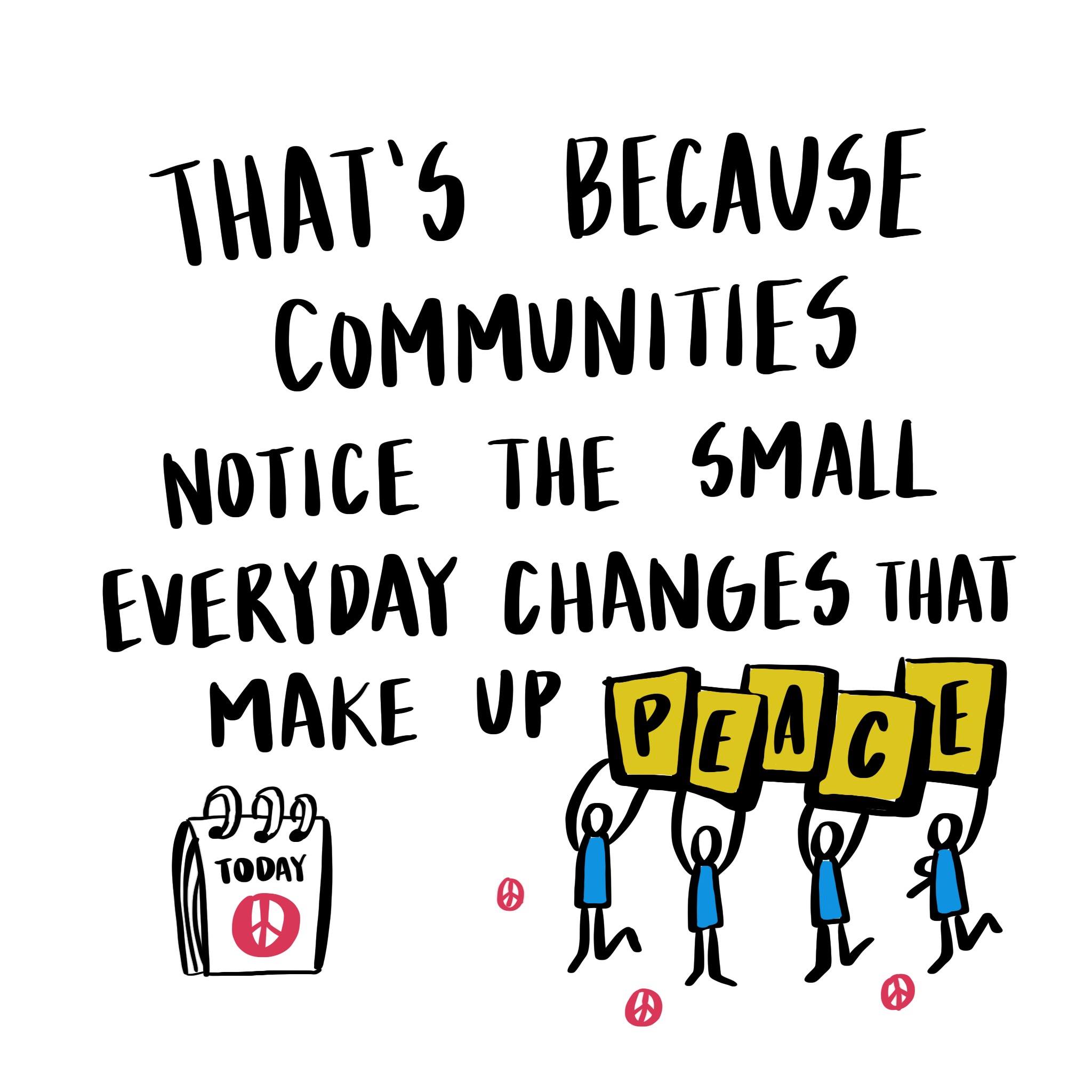
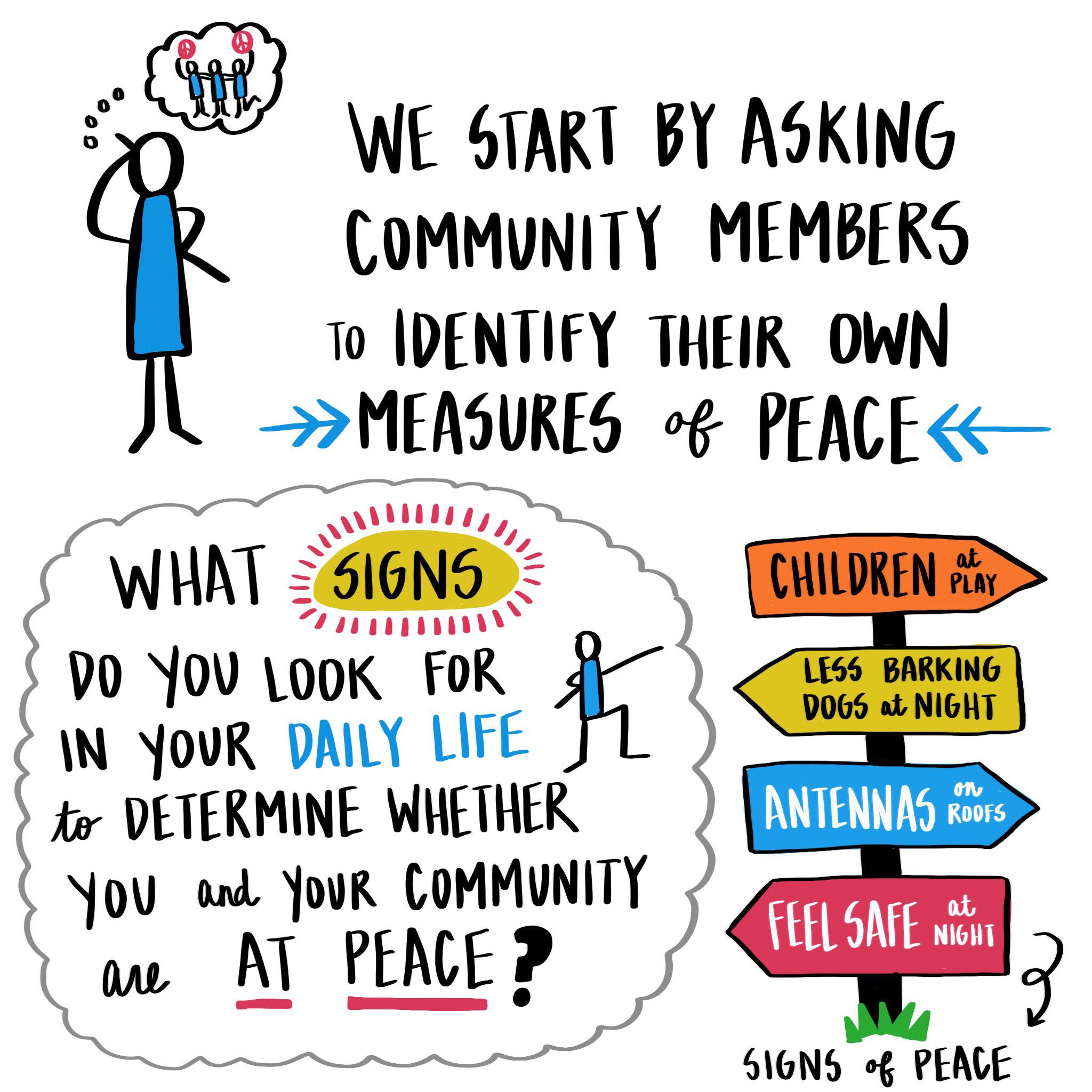
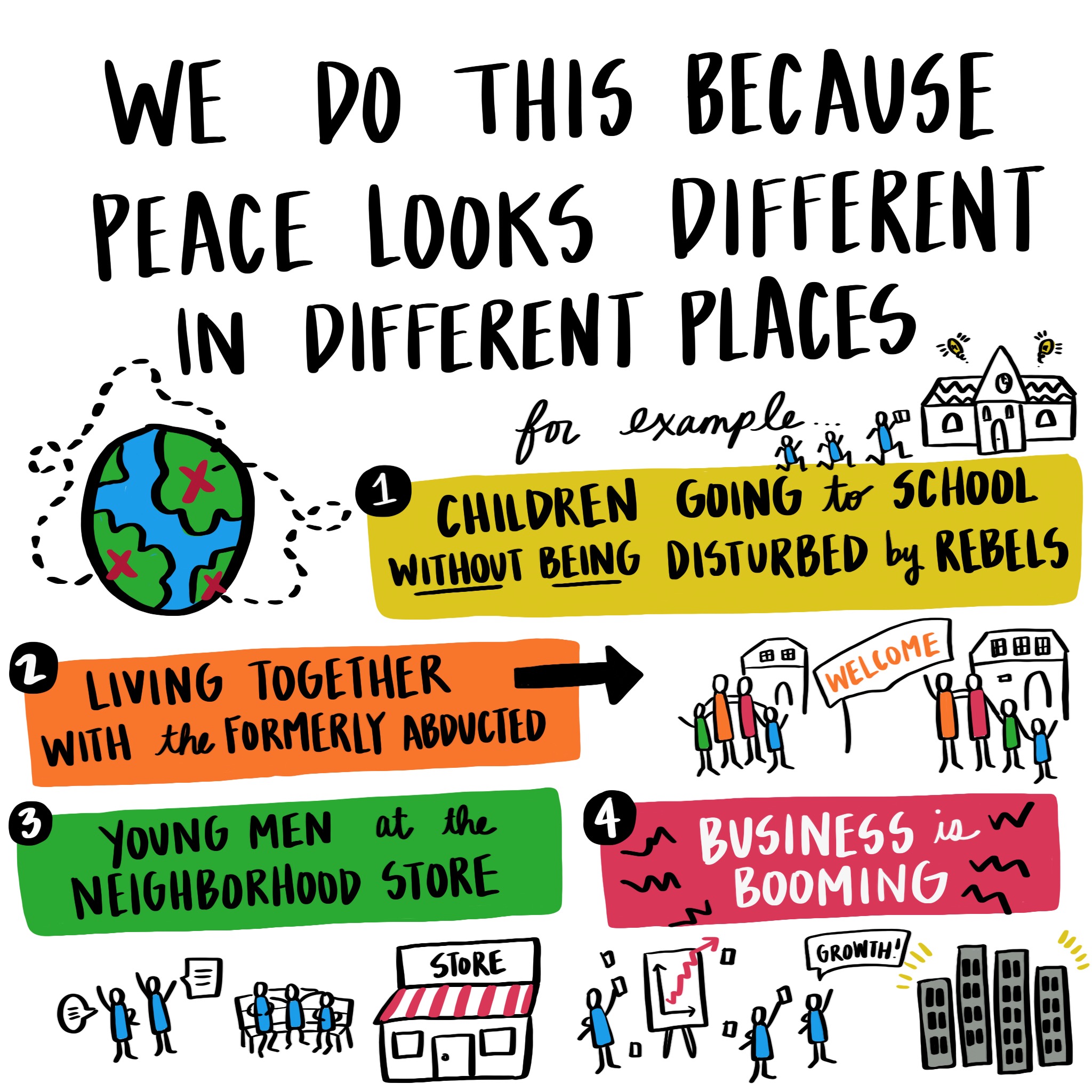
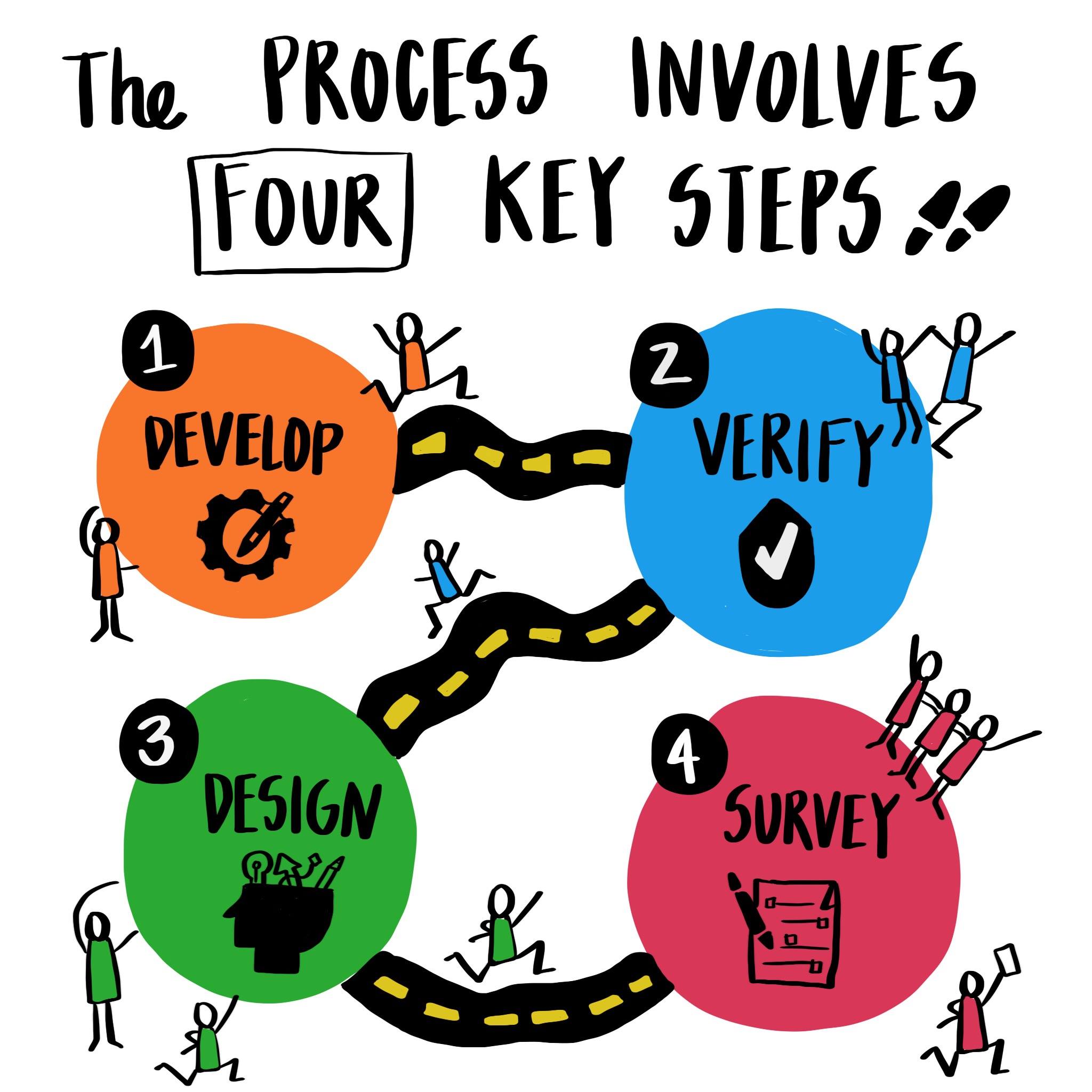
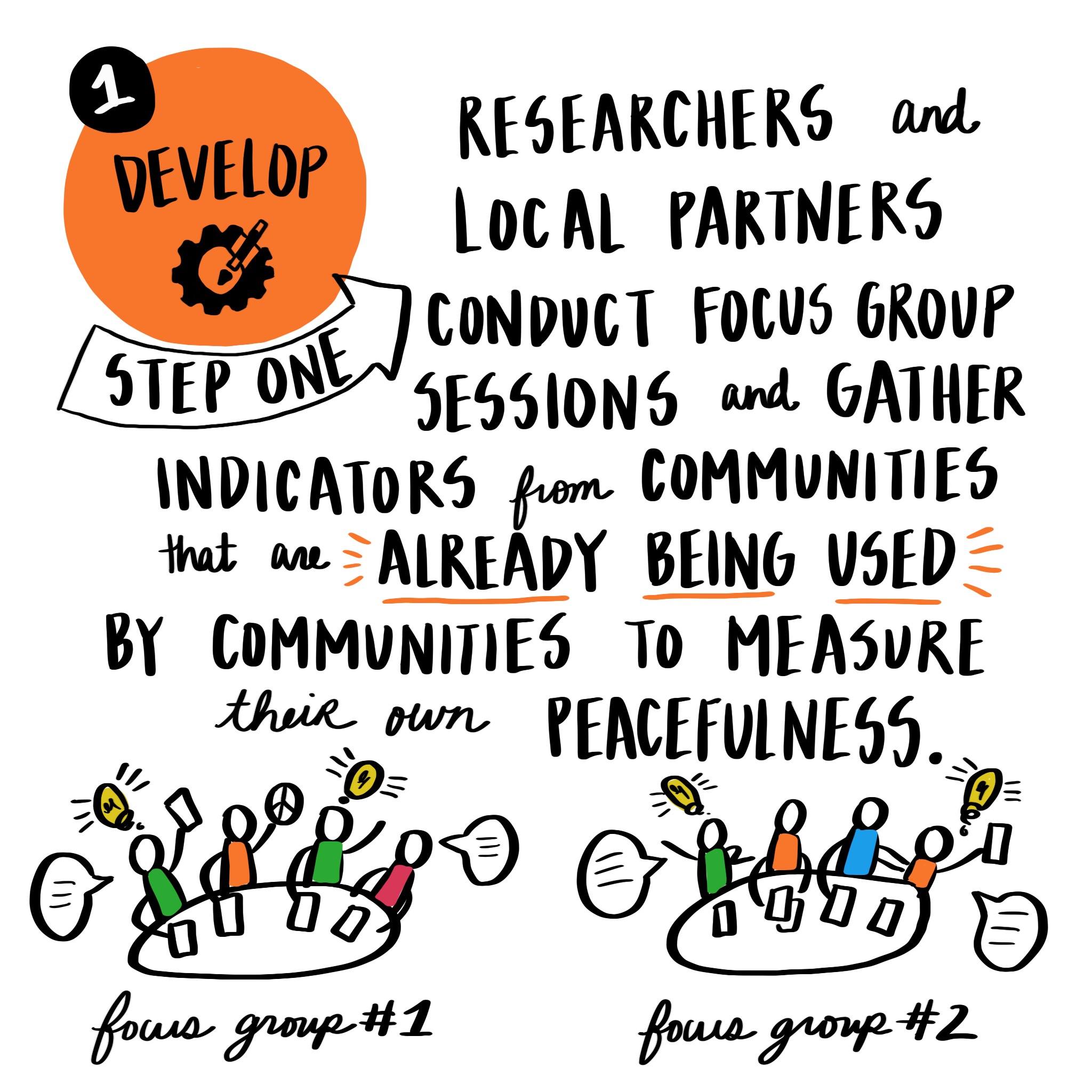
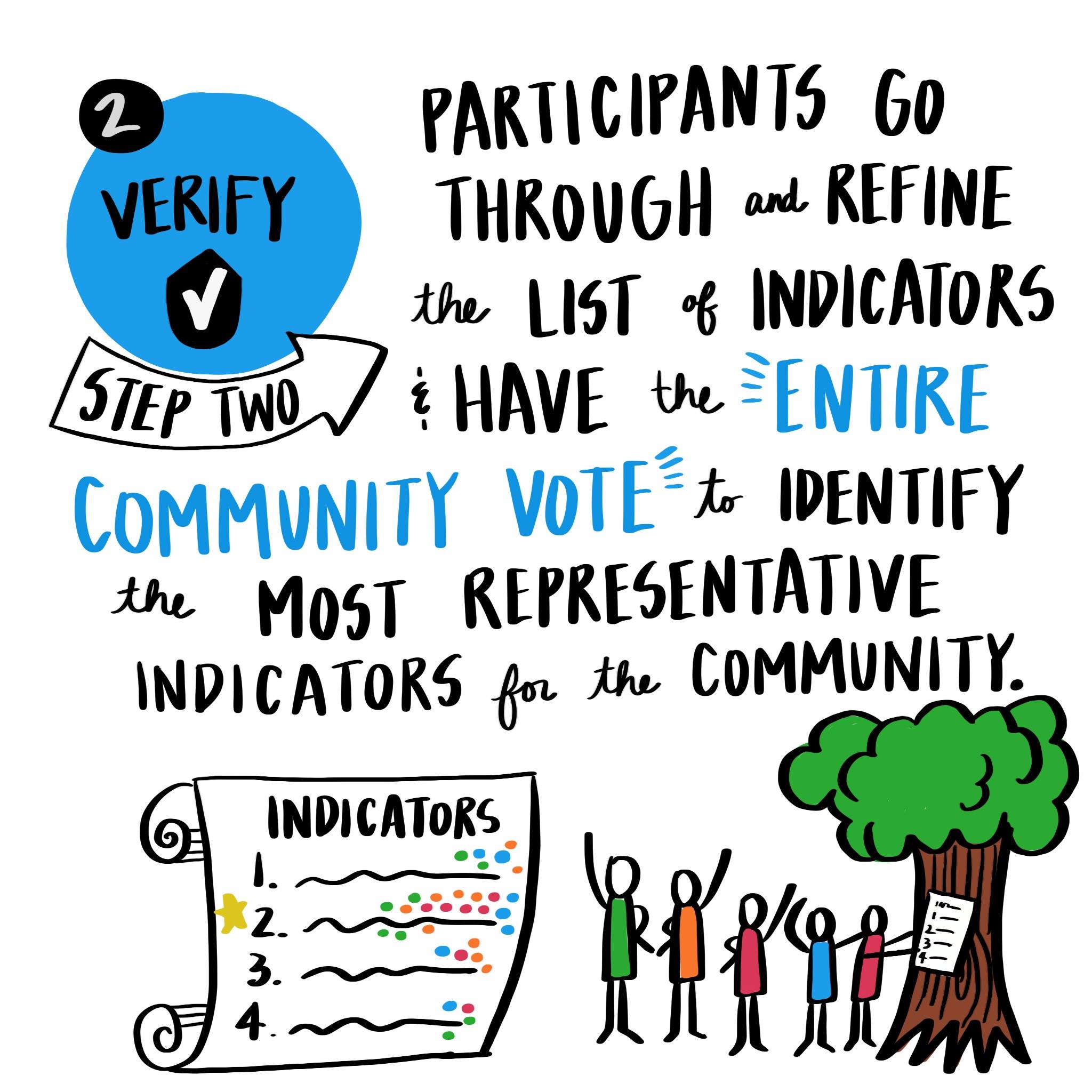
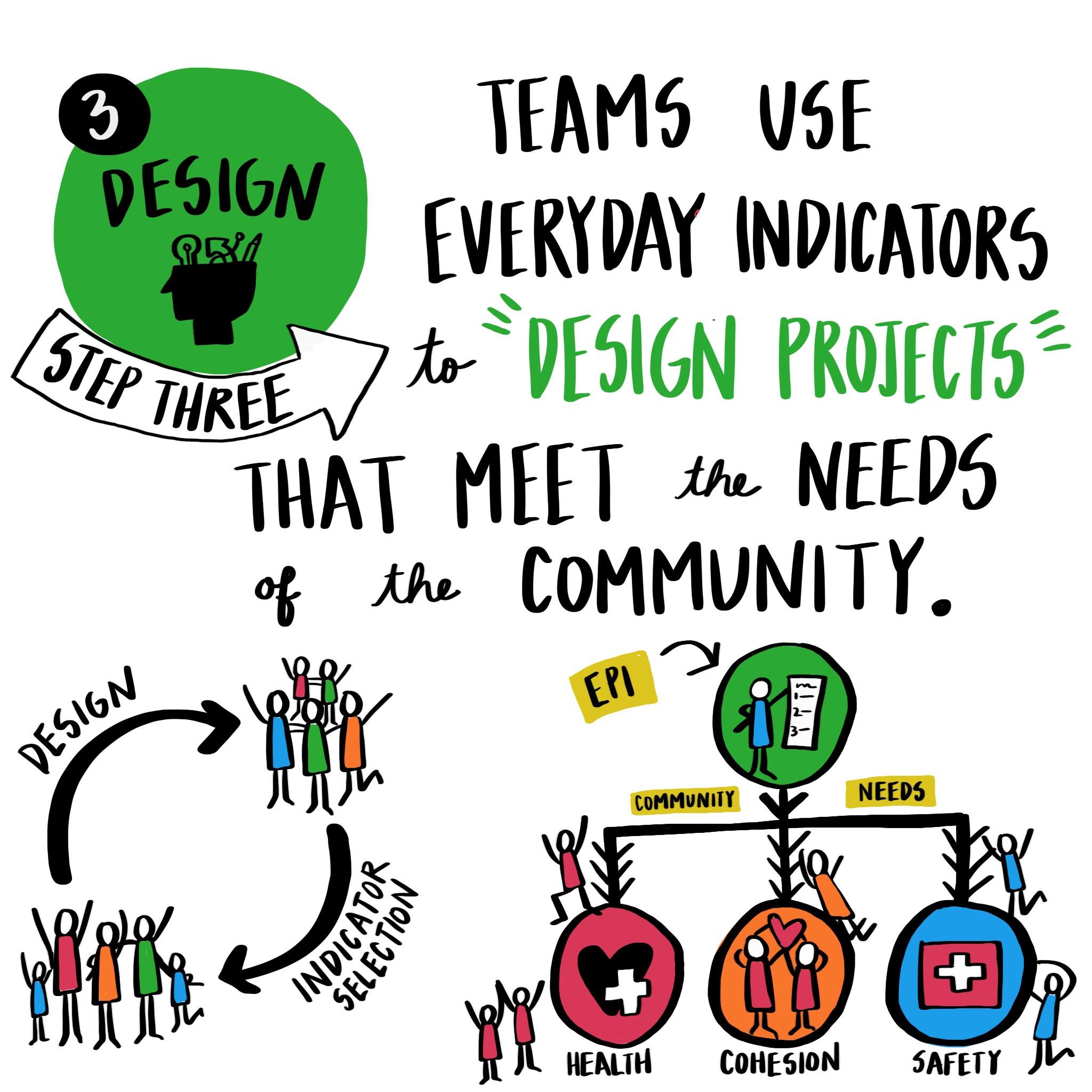
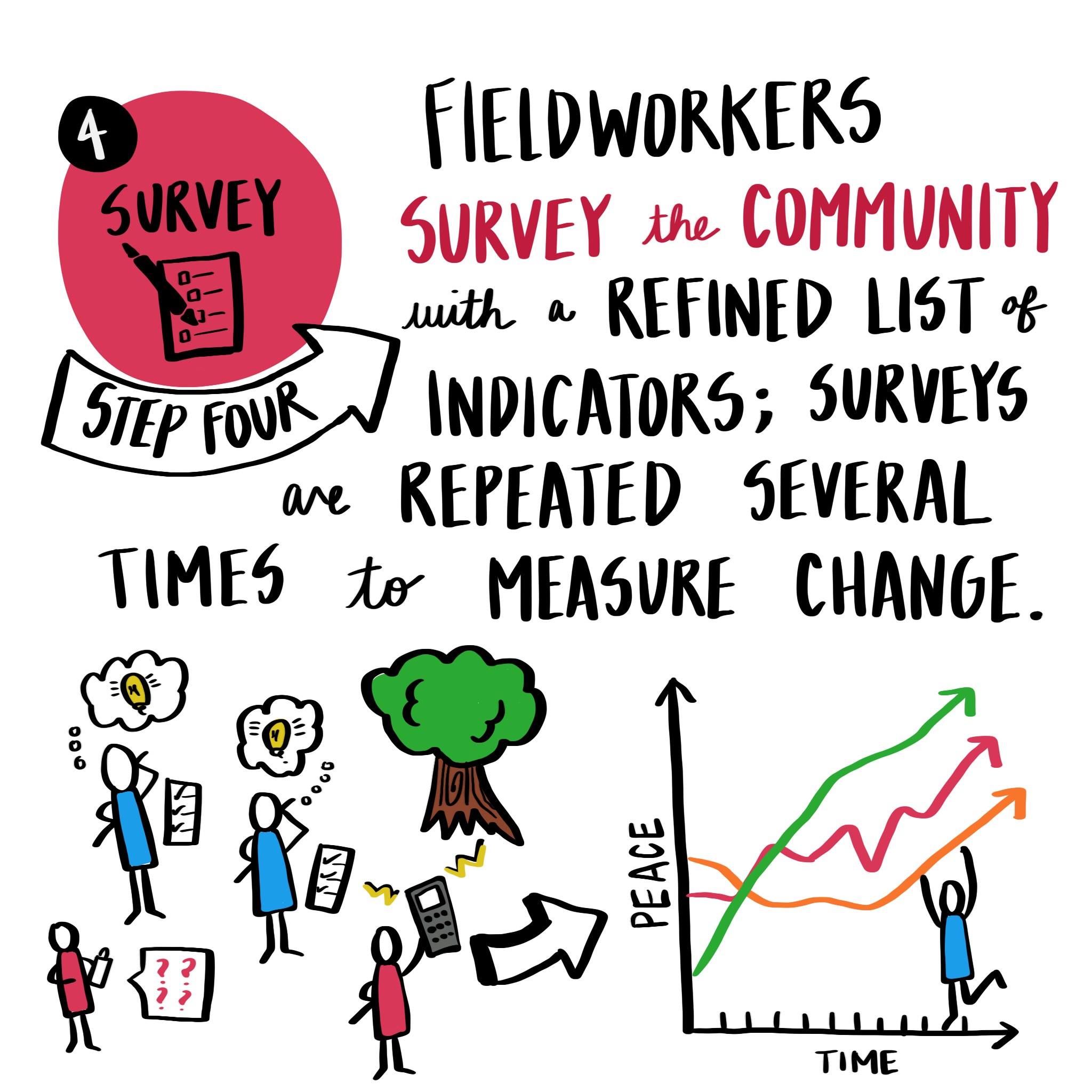
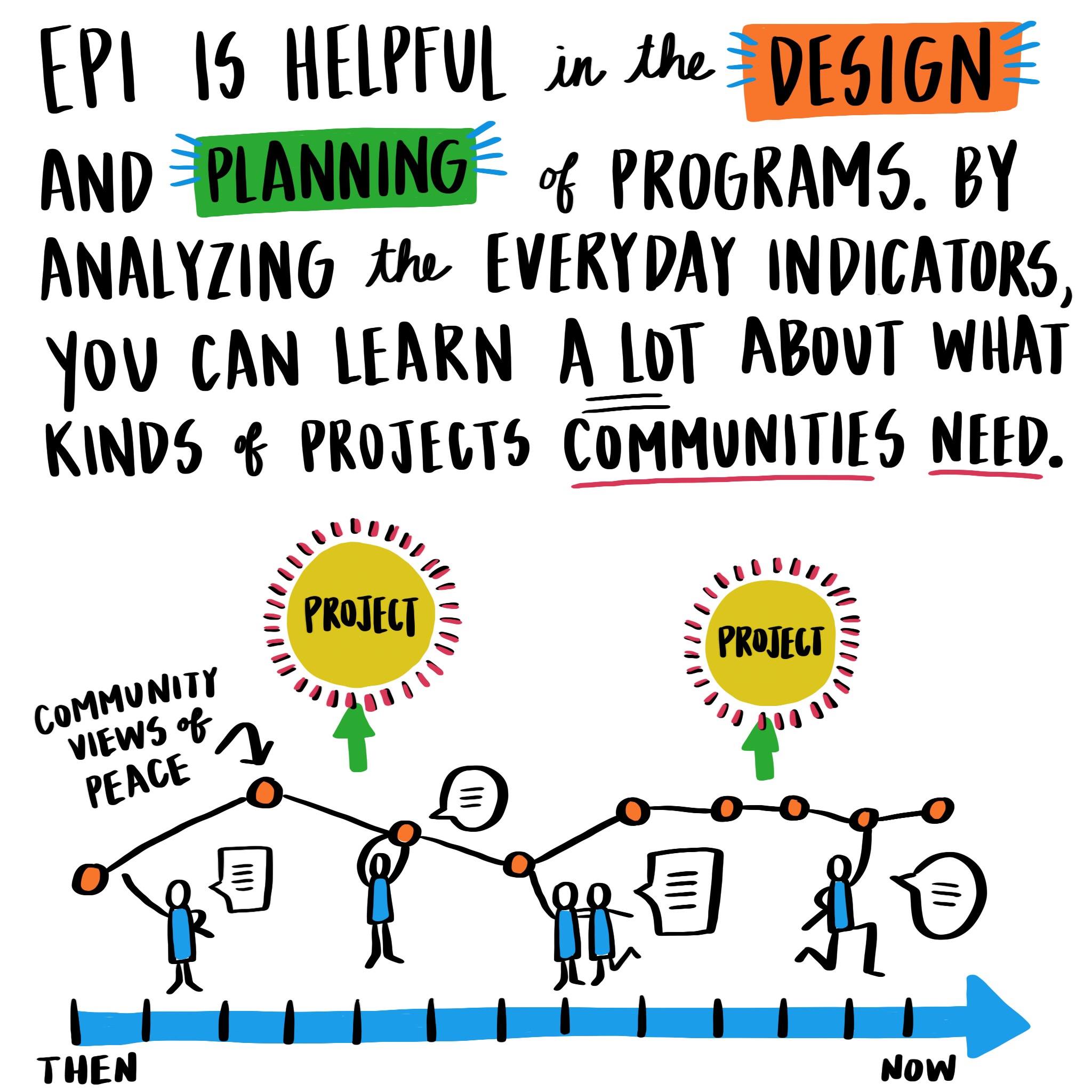
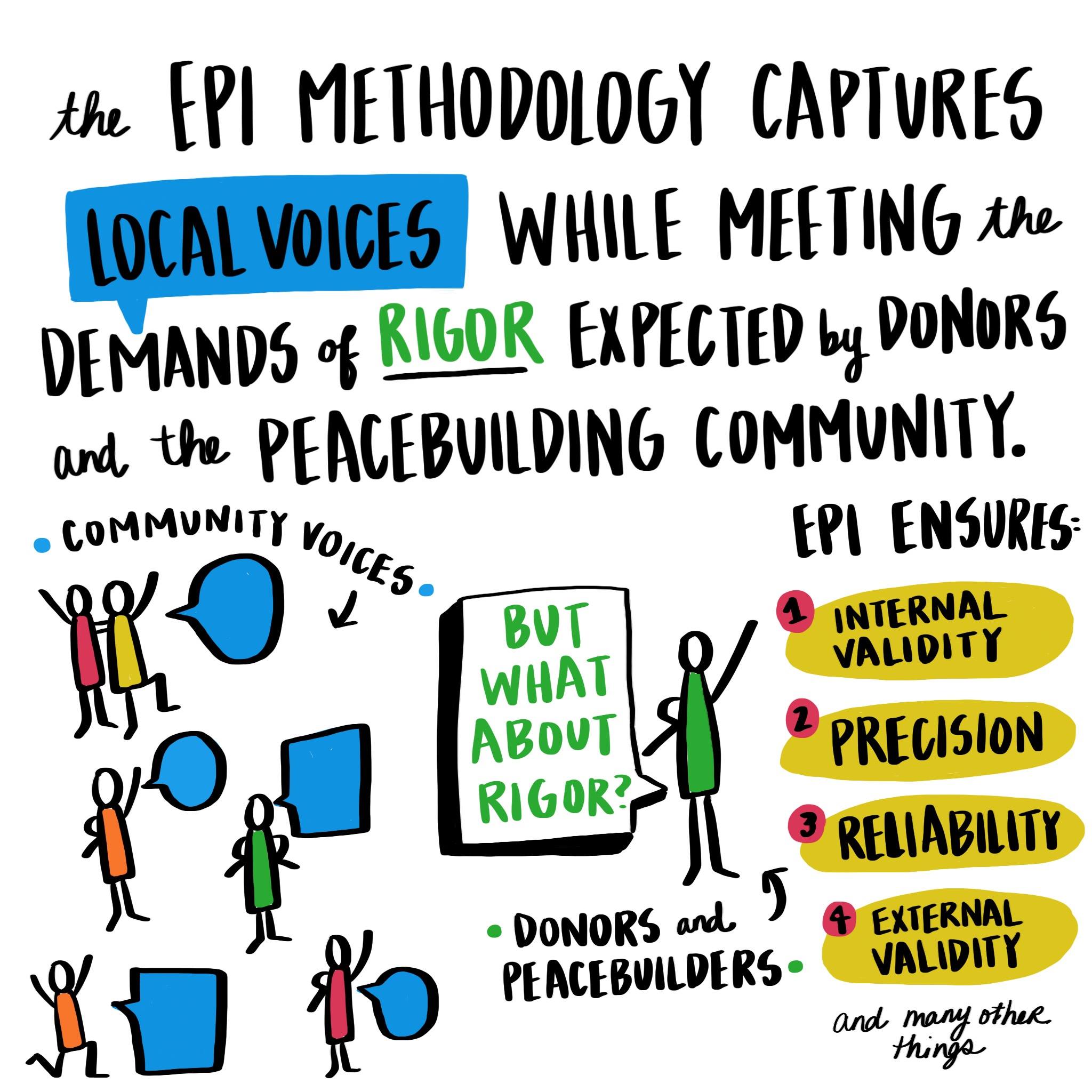
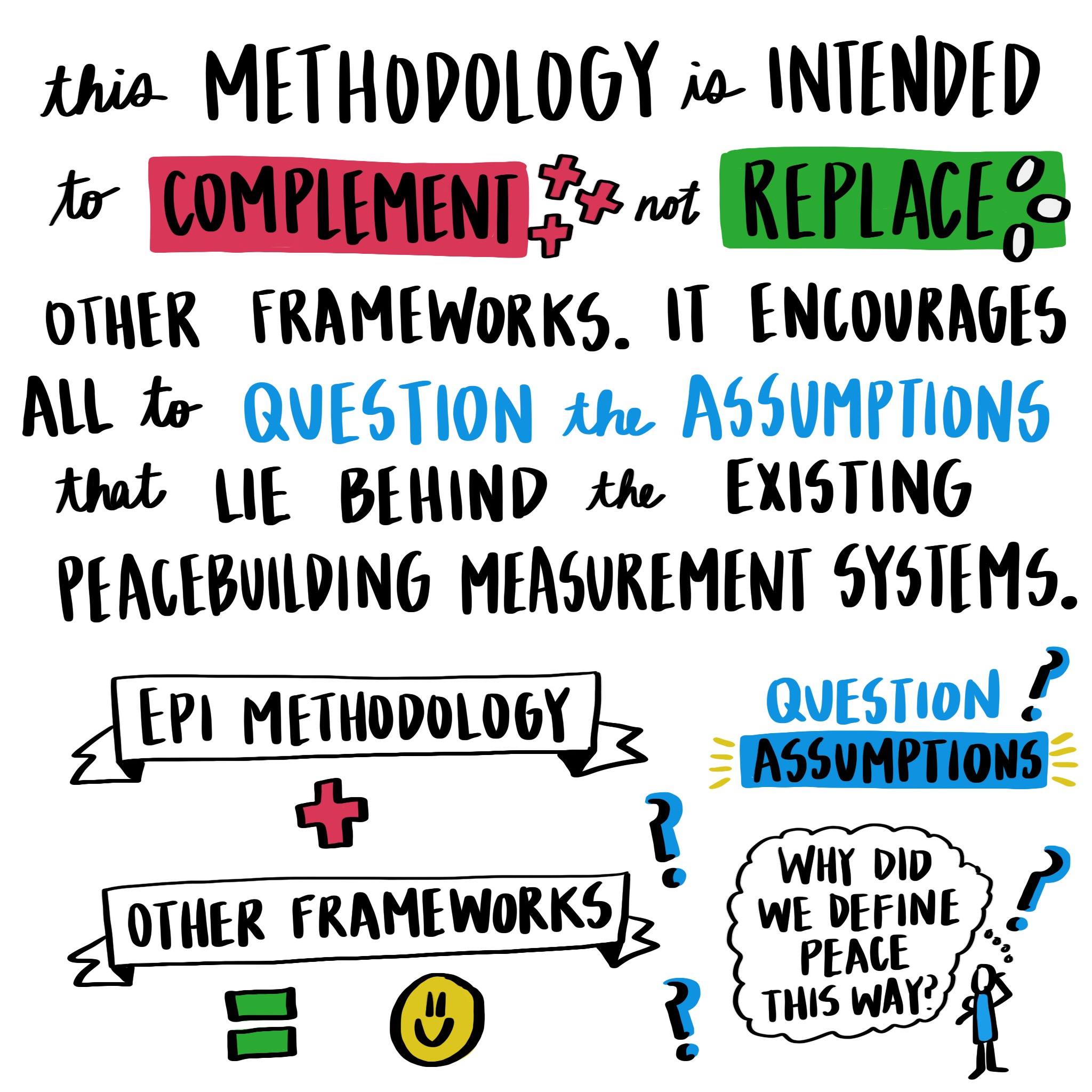
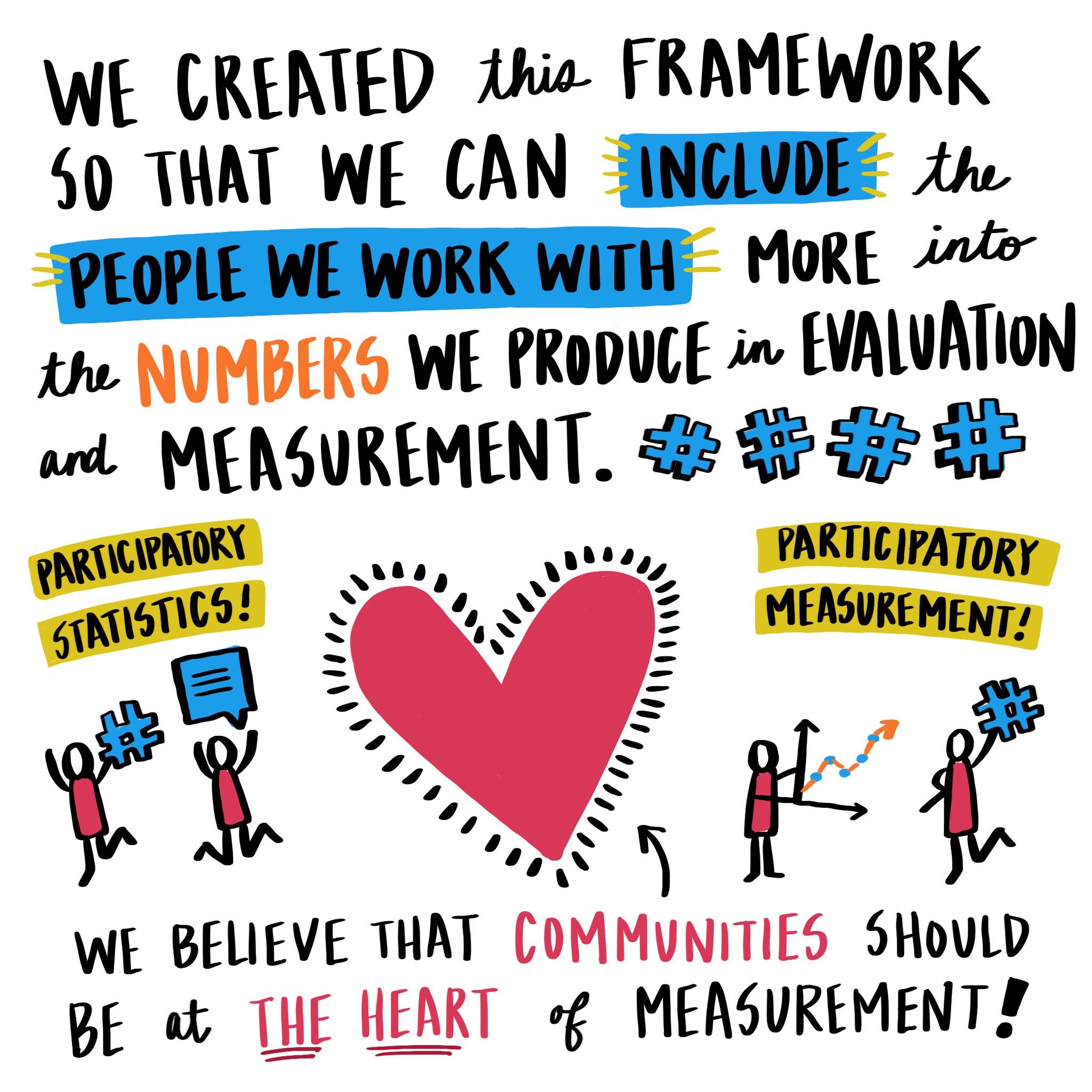
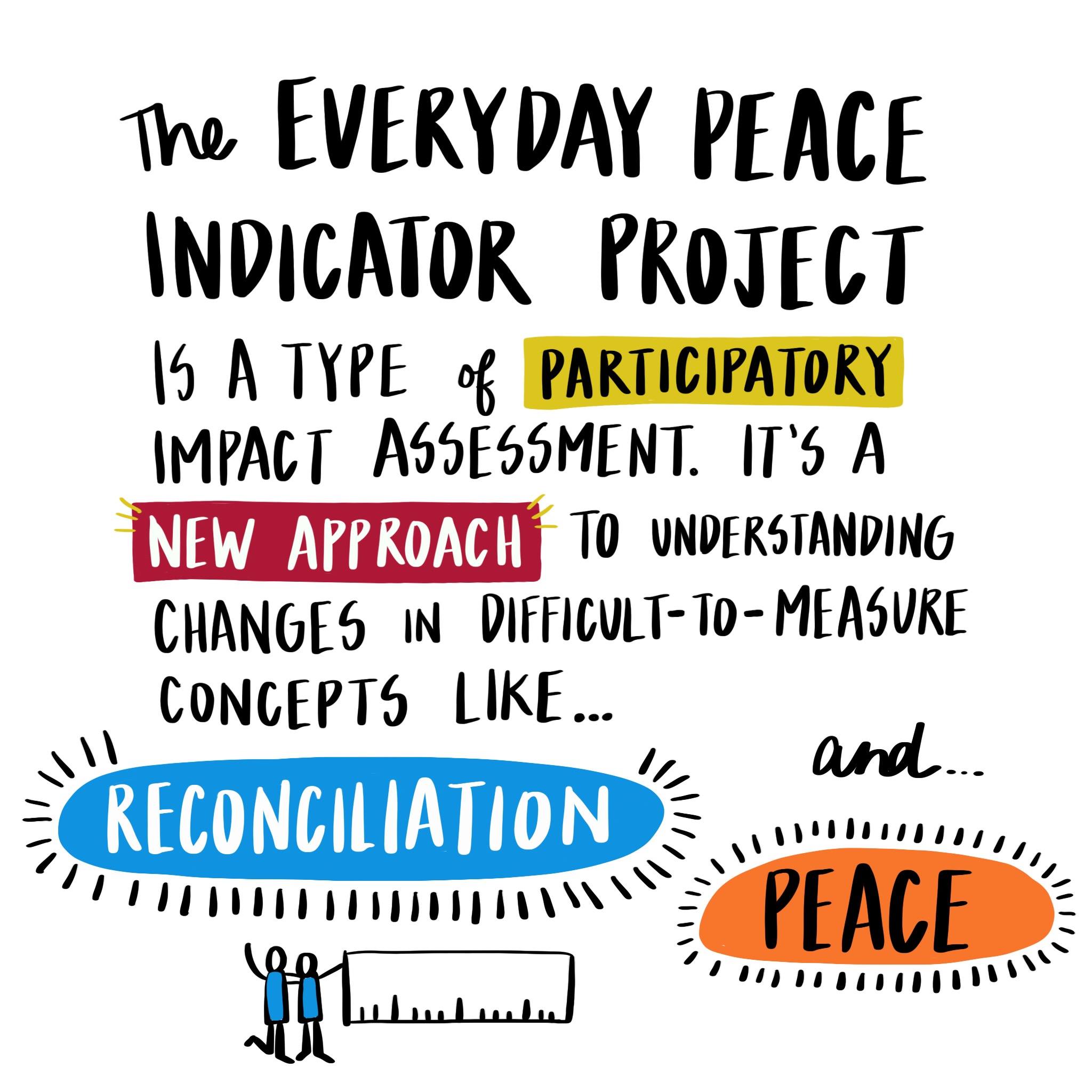
Hi everyone! I hope you are all doing well. I wanted to take a moment to share something I created in collaboration with The Everyday Peace Indicators Project (EPI). EPI creates everyday indicators of difficult-to-measure concepts such as peace, reconciliation, governance and violent extremism. The project is a cooperative, bottom-up endeavor. It takes, as a starting point, the belief that local communities are best placed to conduct research on their own communities because they understand their context best. The project operates via local NGOs; it sources the indicators from the communities themselves, and helps communities identify priorities, common goals, and learn from research findings about the indicators they identified.  Take a look at the visuals and animation (my first ever!) below that I created to describe this approach to measuring difficult-to-measure concepts. As always, I welcome your thoughts and feedback. Thank you!
EPI-1 EPI-2 EPI-3 EPI-4 EPI-5 EPI-6 EPI-7 EPI-8 EPI-9 EPI-10 EPI-11 EPI-12 EPI-13 EPI-14 EPI-15 EPI-16 EPI-17


Written by cplysy · Categorized: katherinehaugh

Oct 23 2018

Wearing Many Hats: Where Does the Role of Evaluator End?

Evaluators wear many different hats, which vary depending on the evaluation approach as well as the stage of the evaluation cycle. Over the years, evaluation theorists have debated the role of the evaluator. Campbell classifies the role of evaluator as methodologist, Scriven says judge, Stake says facilitator, and Wholey says educator (Luo, 2010). Today, evaluators often straddle all of these roles in addition to new roles brought with advancing technology and globalization such as designer and marketer. Other hats include data analyst, project manager, grant writer, strategic planner, coordinator, educator/teacher, coach, and facilitator.

Written by cplysy · Categorized: elizabethgrim

Oct 15 2018

The Top 5 Things That Determine the Success of a Community Coalition

Screen Shot 2018-10-15 at 7.16.43 PM

#1. Leadership

In the many years that I have been working with community coalitions and collaboratives, choosing the right leader maybe the cornerstone that determines a coalition’s success. An effective coalition leader requires a combination of charisma, attention to detail, and someone who is a savvy politician. It takes charisma to attract and keep the community members needed to do the work. Because the coalition is likely funded by a cobbling of state and federal grants, all with their own rules and regulations, the coalition leader needs to be a detailed administrator. It takes a lot of work in order to meet all of the varied grant requirements and financial obligations. Finally, managing community stakeholders, all of whom have varied opinions, motivations and perhaps agendas, is challenging and requires political savvy.

#2. Make a plan, then stick to it (and change it if needed)

Ideally a community coalition’s change efforts will start with a comprehensive community assessment and data review. The coalition should conduct qualitative interviews with community members and leaders. The coalition should also take a deep dive into local data. Then, once the coalition (not just the staff) reviews and digests the data, they need to design a plan that truly reflects the needs and desires of the community. Then the coalition needs to stick with the plan. Ideas will come and go and crises happen. Sometimes, you need to tweak your plan in order to respond to the community’s needs. However, it’s important for the coalition to stay focused and avoid the shiny objects in the water. For example, if alcohol is the drug of choice among youth, the coalition should focus on that and understand the local conditions that support underage drinking. If the coalition is tasked by a funder to prevent substance misuse and abuse, they should not focus on treatment. I am not saying that other substances or the need for treatment are not important issues. But other community stakeholders likely lead in these areas. The coalition has limited time and resources and needs to think about where they spend their time and energy. We can think of similar examples for other types of coalitions. For example, a coalition that focuses on 3rd grade literacy but spends all of their time implementing programs that have nothing to do with literacy likely won’t move an indicator of improved 3rd grade reading levels. A community coalition needs to use good judgement before choosing what action to take and a focused leader to keep the coalition on track (See point 1).

#3. Nothing about us, without us

Way too many community coalitions commit the unforgiveable sin of not including community members. Involving professionals in the community is important. But involving the people the coalition intends to serve is critically important. So, for a substance abuse prevention coalition that focusses on youth, that means making sure students are engaged fully in the work of the coalition. Likewise, if the coalition is supposed to address low birth weight babies, then young women must be engaged.

#4. Focus on systems change

Too often prevention approaches and early intervention programs focus on the individual person. Sometimes, programs target community groups, by offering a community forum or parent education night. Although community education is important, changing knowledge is not sufficient for the kind of change we all want to see in our community.

A public health approach to prevention is one that considers the context of the problem and reaches as many people as possible. It also considers the social determinants of health, variables that are associated with where people live, work, play and pray.

At the heart of it, a public health approach requires systems change. Systems change means focusing on the structures, laws, policies and community attitudes that allow a social problem to happen. For example, let’s look at domestic violence. People often wonder why a woman stays in a violent relationship, but rarely do people ask what is it about our society that allows violence to flourish? How does how law enforcement and the judicial system respond to violence against women? How easy is it for women to access support? How do people feel about victims of interpersonal violence? Do they feel that the woman is to blame?

#5. The boring stuff – structure

Community members join, then stay in coalitions in order to make a difference in their community. People attracted to a community coalition tend to be passionate and anxious contribute to the work of bettering their community. But a coalition without a structure (that is, job descriptions, written by-laws, and an active steering committee that provides budget oversight and supervision for the coalition staff) is destined for trouble. We have seen work plans not implemented because a coalition director tried to do it all or just would not delegate the work to committees. We have seen coalitions nearly derailed because of disagreements between the fiscal agent and staff and financial mistakes made by staff that threatened funding. Butterfoss and Kegler’s (2002) Community Coalition Action Theory (CCAT) is helpful in guiding coalitions and helping them to avoid these and other pitfalls. We use the CCAT as a framework for understanding our coalition clients and assessing the health of the coalition. For one client, we created a coalition logic model using the CCAT model and used it to educate the coalition on what they need to do in order to position themselves for success. Have a community coalition and need some guidance? We’d love to help. You can reach us at aprice@communityevaluationsolutions.com.

Butterfoss, FD, Kegler, MC. | In DiClemente, R, Crosby, L, Kegler, MC. (Eds.) Emerging Theories in Health Promotion Practice and Research. San Francisco, CA: Jossey-Bass Publishers, 2002, 157-193.

Written by cplysy · Categorized: communityevaluationsolutions

Sep 19 2018

Comment on Wisdom from the Woods: Everything Looks Scarier in the Darkness by Elizabeth Grim

In reply to Sheila B Robinson, Ed. D.

Thank you Sheila! Your kind words and support mean a lot.

Written by cplysy · Categorized: elizabethgrim

Sep 19 2018

Comment on Wisdom from the Woods: Everything Looks Scarier in the Darkness by Sheila B Robinson, Ed. D

Awesome, inspirational and well-said. I enjoyed reading your reflection on your outdoor experiences in the context of your professional work and writing. You absolutely have meaningful ideas to share, and are not an imposter. I have the same questions about myself, my ideas, and my writing. I imagine you would tell me the same things. Yet, so many of us continue to struggle with these same questions. Brene Brown’s work is s great source of inspiration for me too. I especially like this conclusion: “My brand is me.” So true. I’m so glad you shared this article!

Written by cplysy · Categorized: elizabethgrim

  • « Go to Previous Page
  • Go to page 1
  • Interim pages omitted …
  • Go to page 297
  • Go to page 298
  • Go to page 299
  • Go to page 300
  • Go to page 301
  • Interim pages omitted …
  • Go to page 304
  • Go to Next Page »

Footer

Follow our Work

The easiest way to stay connected to our work is to join our newsletter. You’ll get updates on projects, learn about new events, and hear stories from those evaluators whom the field continues to actively exclude and erase.

Get Updates

Want to take further action or join a pod? Click here to learn more.

Copyright © 2026 · The May 13 Group · Log in

en English
af Afrikaanssq Shqipam አማርኛar العربيةhy Հայերենaz Azərbaycan dilieu Euskarabe Беларуская моваbn বাংলাbs Bosanskibg Българскиca Catalàceb Cebuanony Chichewazh-CN 简体中文zh-TW 繁體中文co Corsuhr Hrvatskics Čeština‎da Dansknl Nederlandsen Englisheo Esperantoet Eestitl Filipinofi Suomifr Françaisfy Fryskgl Galegoka ქართულიde Deutschel Ελληνικάgu ગુજરાતીht Kreyol ayisyenha Harshen Hausahaw Ōlelo Hawaiʻiiw עִבְרִיתhi हिन्दीhmn Hmonghu Magyaris Íslenskaig Igboid Bahasa Indonesiaga Gaeilgeit Italianoja 日本語jw Basa Jawakn ಕನ್ನಡkk Қазақ тіліkm ភាសាខ្មែរko 한국어ku كوردی‎ky Кыргызчаlo ພາສາລາວla Latinlv Latviešu valodalt Lietuvių kalbalb Lëtzebuergeschmk Македонски јазикmg Malagasyms Bahasa Melayuml മലയാളംmt Maltesemi Te Reo Māorimr मराठीmn Монголmy ဗမာစာne नेपालीno Norsk bokmålps پښتوfa فارسیpl Polskipt Portuguêspa ਪੰਜਾਬੀro Românăru Русскийsm Samoangd Gàidhligsr Српски језикst Sesothosn Shonasd سنڌيsi සිංහලsk Slovenčinasl Slovenščinaso Afsoomaalies Españolsu Basa Sundasw Kiswahilisv Svenskatg Тоҷикӣta தமிழ்te తెలుగుth ไทยtr Türkçeuk Українськаur اردوuz O‘zbekchavi Tiếng Việtcy Cymraegxh isiXhosayi יידישyo Yorùbázu Zulu