[…] my first post in this IRB 101 series, I described what IRBs are and why they exist (i.e., to protect research […]
IRB 101: What is (and isn’t) human subjects research?
In my first post in this IRB 101 series, I described what IRBs are and why they exist (i.e., to protect research participants). In the second post, I focused on describing potential risks to research participants. This third post defines criteria for human subjects research by breaking down the term “human subjects research.”
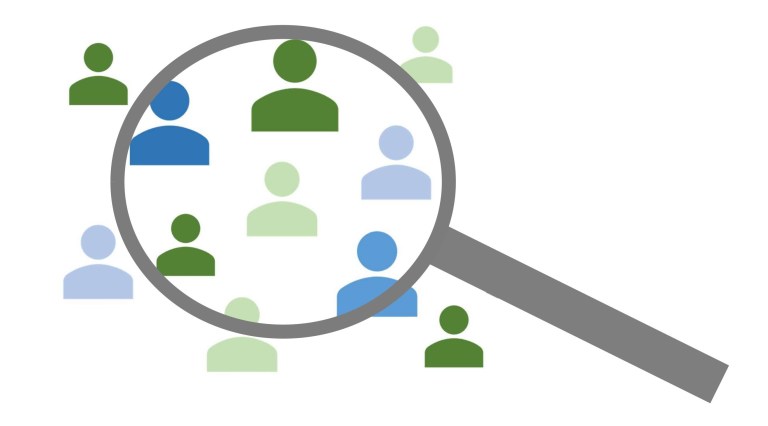
Who are human subjects?
The Common Rule, which provides guidelines for research and evaluation, defines a human subject as “a living individual about whom an investigator (whether professional or student) conducting research:
- Obtains information or biospecimens through intervention or interaction with the individual, and uses, studies, or analyzes the information or biospecimens; or
- Obtains, uses, studies, analyzes, or generates identifiable private information or identifiable”
In layman’s terms, human subjects are living individuals who are participating in a research study. The more complicated part of this definition, the bulleted items, actually deals with defining “research” with human subjects.
What is research?
Generally, research is defined as a systematic investigation or study. The bullets in the Common Rule definition above break down specifically what is human subjects research. The first bullet focuses on the conditions in which data is collected, while the second bullet focuses on whether the data is identifiable.
Data Collection Conditions
The first bullet in the definition contains two technical research terms: (1) intervention; and (2) interaction. Interventions are any manipulation of the research participant or their environment for research purposes. Interventions happen when you are setting up an experiment. For example, a researcher wants to investigate whether visitors prefer an exhibition space with low light versus bright light. They study research participants in both light conditions. Interactions involve the researcher or another person communicating with a person for purposes of research (experimental or otherwise). Interventions can include interviewing visitors about their experience in an exhibition, sending an email survey to members about their satisfaction with the museum and member benefits, or focus groups to explore non-visitors’ perceptions of a museum. From my experience, visitor studies research typically involves interactions, but less often interventions.
Identifiable Data
The second bullet focuses on identifiable information. Identifiable means the researcher can identify the research participant, so the data is not anonymous. Information is clearly identifiable if it is linked to a person’s name, email address, social security number, etc. Information may also be identifiable if the researcher can discern the identity of a person based on research conditions. For example, if you are interviewing participants in a teacher cohort that is small and has worked closely with museum education staff for a long period of time, it would be easy to identify research participants based on their feedback. Please note that this bullet specifically about whether you collect and study identifiable data. You may opt to keep the identifiable information confidential by not reporting names or other identifiable information, but you are still conducting human subjects research if the data is identifiable to the researcher.
What is not human subjects research?
There are a few activities similar to research that are not considered human subjects research. For example, journalistic activities are not human subjects research. So, if your institution wants to publish a personal interest story about a staff member, it is not human subjects research. In this scenario, you are beholden to ethical guidelines for journalistic activities but not human subjects research.
Why does this all matter?
If you are doing human subjects research, you need to consider whether IRB is required. There are some exceptions as to whether human subjects research requires IRB, which I will describe in my next post. However, determining whether you are conducting human subjects research is the first step in determining whether you need IRB review.
The post IRB 101: What is (and isn’t) human subjects research? appeared first on RK&A.
Comentario en Modelo ADDIE para el diseño y ejecución de procesos de capacitación por Artemia Ramona Escurra de Candia
Es de capital relevancia identificar el entorno de aprendizaje, los objetivos, las competencias, como así también las habilidades a los efectos de desarrollar apropiada y eficazmente los contenidos de la clase.
Me gustaMe gusta
Ask Nicole: How Do I Avoid Mission Creep?
Have a question you’d like to be featured? Let me know. I recently took a week off from client and partner consulting work to catch up on some administrative tasks that have been piling up. One of my tasks was revamping my website, focusing on easier navigation (in some cases, redesigning web pages) and clarifying […]
The post Ask Nicole: How Do I Avoid Mission Creep? appeared first on Nicole Clark Consulting.
It’s not about the charts.
If you just want to create better charts, don’t join my workshop.
I have no desire to compete with my friends Stephanie Evergreen and Ann K Emery on fundamental visual reporting and chart literacy.
If you just want to code with R or Python, don’t join my workshop.
Two suggestions. David Keyes for all things R and George Mount for moving into Python/R from Excel.
So who should join?
In short, the people who want to go beyond creating better charts but who don’t feel like diving into code.
Examples:
- The non-profit data person who doesn’t just have to “write reports” but find a way to communicate that data to an incredibly diverse virtual audience.
- The public health worker who creates data dashboards but has no clue if anyone uses them or if there is anything they could do to make them better.
- The evaluation capacity building team member who finds that all their work that used to be in-person is now virtual, and it might not be as short-term as they first thought.
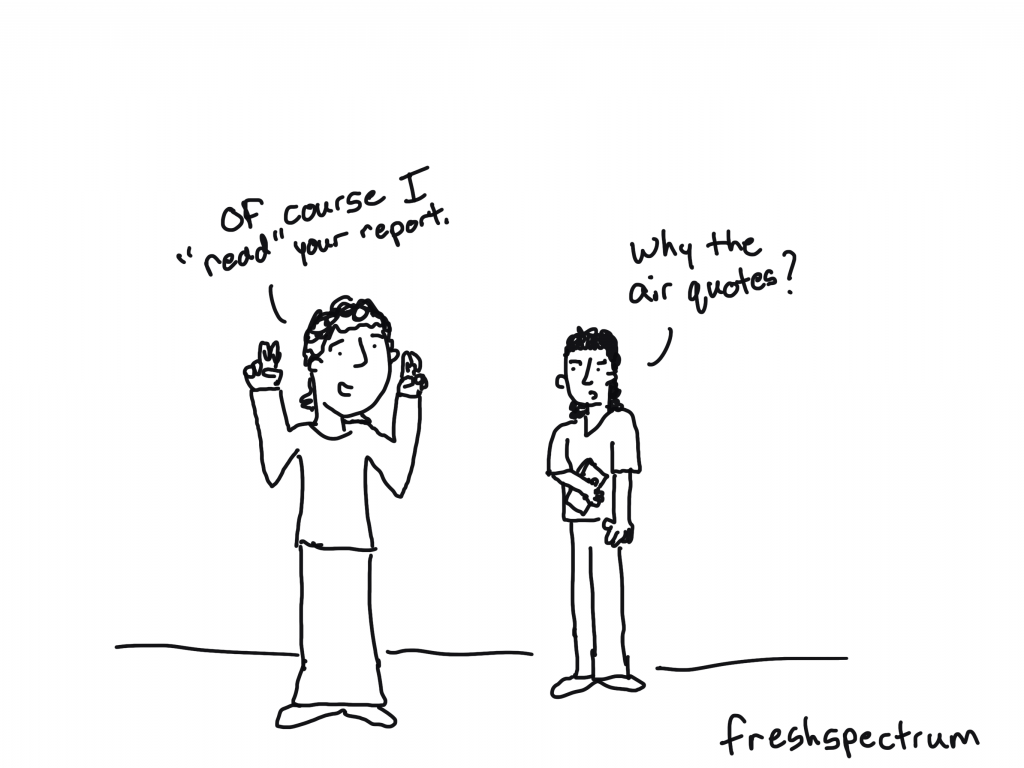
- The researcher who is not content writing an amazing paper or report only to have it fade into obscurity the minute it hits the web.
- The independent data consultant who is overwhelmed by the number of software tools and methods they need to learn to effectively do their job.
- The data person who wants to learn more about graphic design and web design tools.
21st century reporting is not about one thing, but a ton of little things.
My four big themes.
- Creative Reporting – because you have to get creative to reach different people across different platforms.
- Content Strategy – because if you really want to reach a specific group of stakeholders, you need to be intentional and understand how the web works.
- UX/UI Design – because if you are trying to share access to something bigger than can fit on a page, you need to understand interface design and how real people use the web.
- Digital Evaluation – because if you are not evaluating, you are just guessing what people want and that what you are doing is working.
Our first 8 weeks.
This workshop is taught live (but with each session recorded). I’ve put together the topics for our first 8 weeks, here is the list.
- Session 1: Building slide style infographics. (9/8)
- Session 2: The web is filled with funnels, how to build yours. (9/15)
- Session 3: Building one-filter dashboards with Tableau. (9/22)
- Session 4: External analytics as inspiration. (9/29)
- Session 5: Illustrating social media with data.
- Session 6: The continued importance of building an email list.
- Session 7: An intro to powerful (and free) UI design software.
- Session 8: Social media insight tools and how to use them.
Plus Community and Quick Tips.
I’ve learned over time, that the fastest way to build a community is to meet a bunch in person (via Zoom).
But included in this workshop will also be an asynchronous community space for asking questions, sharing your work, and connecting with your peers. And sets of quick video lessons on very specific topics that I find myself teaching people over and over again.
Want in?
My plan is to keep enrollment open and rolling (instead of closed). But the first people who sign up will definitely get the best deal (in the form of a discount) and will be in the best position to inform the direction of the workshop.
So, if you’re even remotely interested, I suggest joining the waitlist NOW!.
 English
 Afrikaans
 Shqip
Shqip አማርኛ
አማርኛ العربية
 Հայերեն
 Azərbaycan dili
 Euskara
 Беларуская мова
 বাংলা
বাংলা Bosanski
 Български
 Català
 Cebuano
 Chichewa
 简体中文
简体中文 繁體中文
繁體中文 Corsu
Corsu Hrvatski
 Čeština
 Dansk
Dansk Nederlands
 Esperanto
 Eesti
Eesti Filipino
 Suomi
Suomi Français
 Frysk
Frysk Galego
 ქართული
 Deutsch
 Ελληνικά
 ગુજરાતી
 Kreyol ayisyen
 Harshen Hausa
 Ōlelo Hawaiʻi
 עִבְרִית
 हिन्दी
 Hmong
Hmong Magyar
 Íslenska
 Igbo
Igbo Bahasa Indonesia
 Gaeilge
 Italiano
 日本語
日本語 Basa Jawa
 ಕನ್ನಡ
ಕನ್ನಡ Қазақ тілі
 ភាសាខ្មែរ
 한국어
한국어 كوردی
كوردی Кыргызча
 ພາສາລາວ
 Latin
Latin Latviešu valoda
 Lietuvių kalba
 Lëtzebuergesch
 Македонски јазик
 Malagasy
 Bahasa Melayu
 മലയാളം
 Maltese
 Te Reo Māori
 मराठी
मराठी Монгол
 ဗမာစာ
ဗမာစာ नेपाली
 Norsk bokmål
 پښتو
پښتو فارسی
فارسی Polski
 Português
 ਪੰਜਾਬੀ
 Română
 Русский
 Samoan
 Gàidhlig
 Српски језик
 Sesotho
 Shona
Shona سنڌي
سنڌي සිංහල
සිංහල Slovenčina
 Slovenščina
 Afsoomaali
 Español
 Basa Sunda
 Kiswahili
 Svenska
 Тоҷикӣ
 தமிழ்
தமிழ் తెలుగు
 ไทย
ไทย Türkçe
 Українська
 اردو
اردو O‘zbekcha
 Tiếng Việt
 Cymraeg
 isiXhosa
 יידיש
יידיש Yorùbá
 Zulu
Zulu