• Skip to main content
  • Skip to footer
  • Home

The May 13 Group

the next day for evaluation

  • Get Involved
  • Our Work
  • About Us
You are here: Home / Archives for allblogs / freshspectrum

freshspectrum

Sep 30 2020

Independent Consulting in the COVID Era

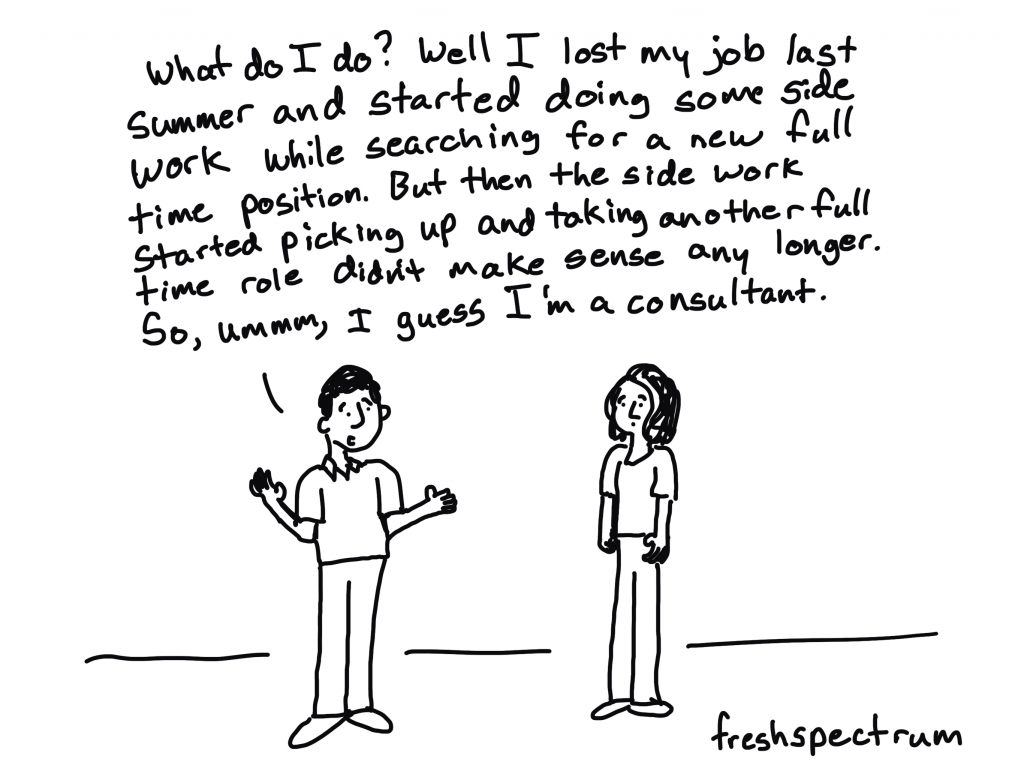
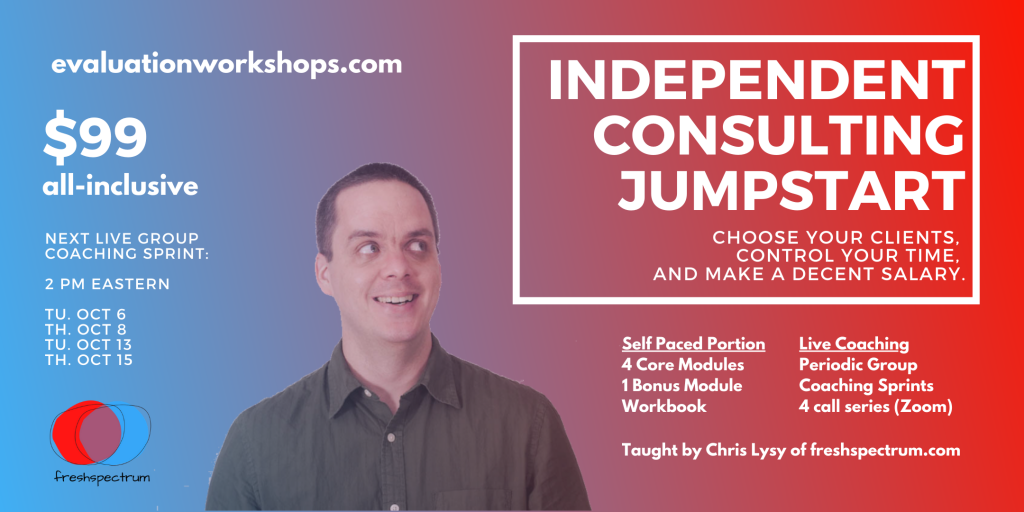
So I’m launching a new course today: Independent Consulting Jumpstart.

It’s a blended course, the first part is a collection of self-paced activities split into 4 modules (business goals, market finding, pricing, and marketing). The second part is a live group coaching sprint (a series of 4 calls), the first call of the series will take place over Zoom on October 6.

I want people who could stand to benefit the most to join, so it’s $99 for everything and includes forever access.
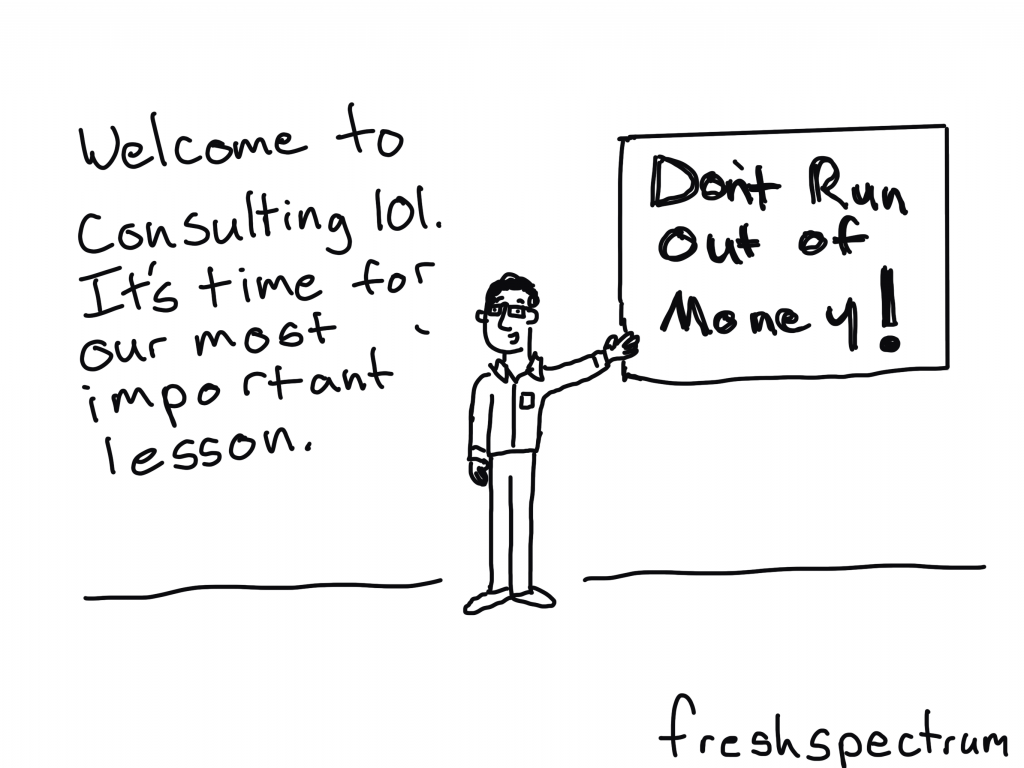
When I first started consulting I had the opportunity to work out of a busy co-working space. And while there I was surrounded by other small business owners. Some were peers with just as little experience and others were mentors who had lots more.

During this time I would also attend a good number of networking events and meetups. Pretty normal behavior for a new consultant. These spaces and events provided something I wouldn’t get working out of my home…people.
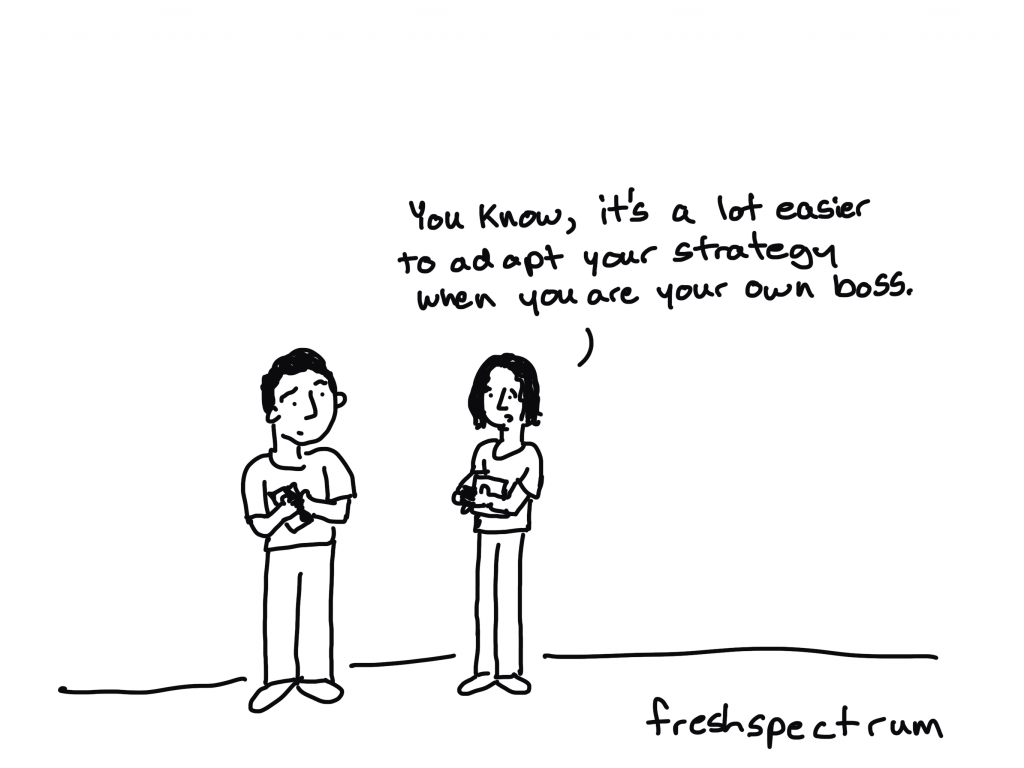
Now as life continues to move forward in the COVID era, the network events, meetups, and co-working spaces that fueled my personal small business growth are either nonexistent or completely restructured.

Independent consulting was already on the rise. The mix of enabling technologies, workplace culture changes, and shifting management philosophies were turning full time employees into self-employed consultants at a fast rate.

And that was before COVID pushed the unemployment rate sky high, which can only lead to accelerating that pace.
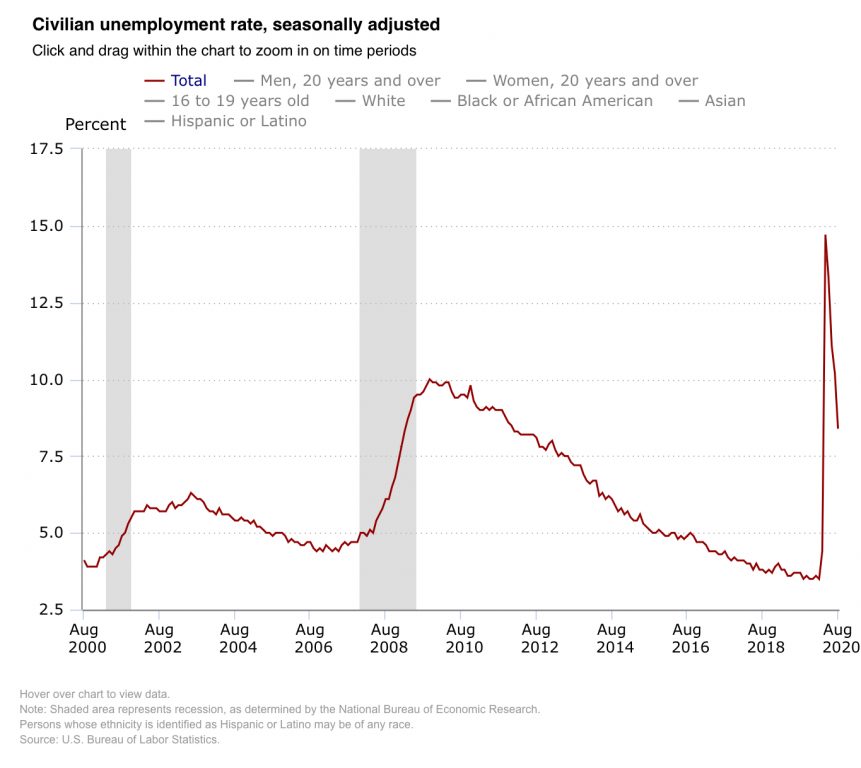
Civilian Unemployment Rate in the US (accessed September 28, 2020)

Many new consultants (self-included when I was at that stage) tiptoe their way into business. And if you have plenty of time for self-discovery, that’s a fine way to do it. But if you want to design a business that makes enough money to keep your family fed, you should have a better strategy.

Over the last few months I’ve been having more calls with prospective consultants. Just offering advice and a little moral support from a distance. And for the people I’ve connected with thus far, the advice seems to be helping.

This course is an attempt to scale that support. To offer insight I have collected over the years and create temporary spaces for peer connection/support.
If you are currently in the position of starting your own independent consultancy (or thinking about it) I encourage you to check it out. It’s not a long course, but it asks hard questions that might take some time to answer. If you can’t make the coaching sessions, they will be recorded, and I plan to lead another series sometime in the next couple of months (which you would also have access).

And if you have a friend trying to start an independent consultancy, please forward this along.
Cartoon Gallery on Pinterest

Trying again to make it easier for everyone to keep track of my cartoons. I’ve been drawing more and they are ending up in different spaces. So I’ve decided to pick back up on using Pinterest.

Each time I create a post, either here or elsewhere, that includes new cartoons I will simultaneously save the cartoons to Pinterest. That way it will be easier to scroll through without all these pesky words getting in the way.
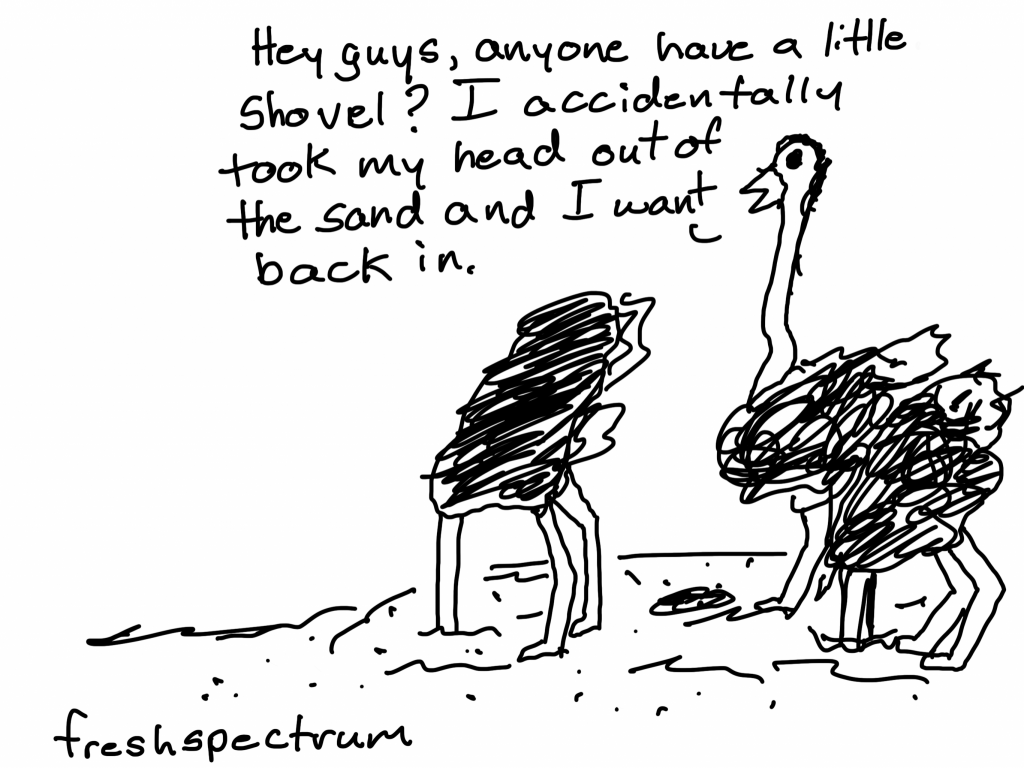
This one is apparently the Pinterest favorite at the moment, wonder why?

“Book Tour”

Another perk from putting about a book of cartoons, I have been getting invitations to be on internet shows and podcasts.

I’ll be joining Pieta Blakely, Cynthia W. Rojas, and Rebecca Tuttle on their Facebook Live show Coffee Time with Masterminds this Friday (10/2) at 10:30 AM.
Written by cplysy · Categorized: freshspectrum

Sep 23 2020

Unwritten Outcomes

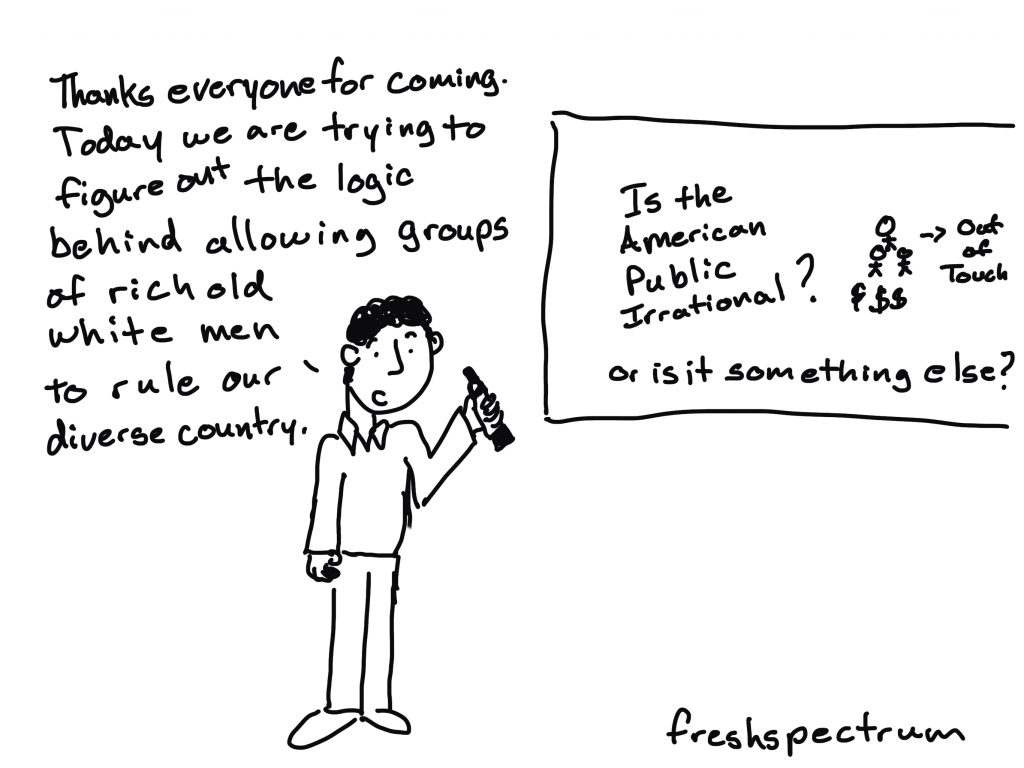
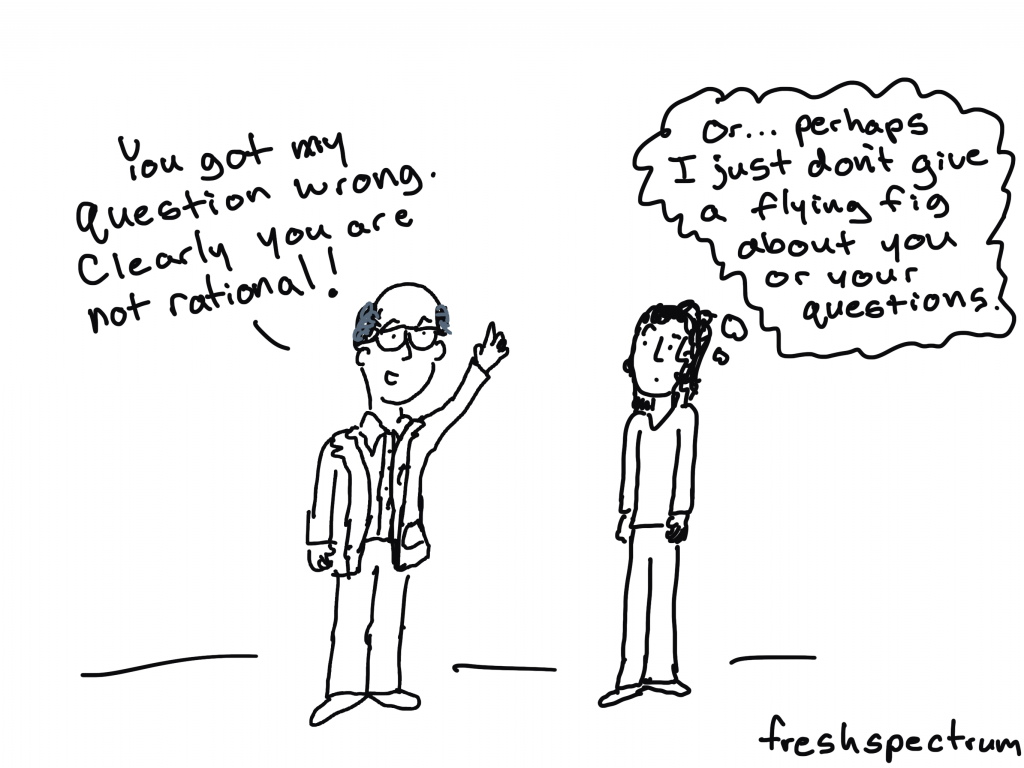
Evaluation as a profession is built around the rational. So what about the things that seemingly defy logic?

So this is sort of a cartoon illustrated philosophical brain dump week. I’ve been diving deep into my public library’s audio book collection and thinking a lot about rationality. If you don’t want to think, just skim through the cartoons. You’ve been warned.

I remember thinking a bit about evaluation when perusing some of Daniel Kahneman’s work on behavioral economics. Economics traditionally was based on this idea that people make rational decisions. Behavioral economics calls that into question and it led to a Nobel prize for the psychologist, Kahneman.

And Kahneman’s work can now be seen transcending fields. I mean it came up most recently when I was reading a book by hostage negotiator Chris Voss.

Everything we’ve previously been taught about negotiation is wrong: you are not rational; there is no such thing as ‘fair’; compromise is the worst thing you can do; the real art of negotiation lies in mastering the intricacies of No, not Yes.

Never Split the Difference by Chris Voss

I had been waiting for the idea to creep into the evaluation world. Like for someone to write a book titled behavioral evaluation. To start making claims that people are not rational so how do we expect to create accurate rational models of the activities of people?

His central message could not be more important, namely, that human reason left to its own devices is apt to engage in a number of fallacies and systematic errors, so if we want to make better decisions in our personal lives and as a society, we ought to be aware of these biases and seek workarounds.

Daniel Kahneman changed the way we think about thinking. But what do other thinkers think of him?

But lately I’ve been feeling like saying we are not rational is just a cop-out.

Of course we’re rational. We make rational decisions all the time. But my rational isn’t necessarily your rational.

My desired outcomes might be different, and who is to say my desired outcomes will even stay fixed. Have you ever lost a game on purpose? Taking it easy on someone to help build their confidence. Or maybe another player does something that annoys you. Does changing your desired outcome from “winning” to “making sure that one jerk loses” mean you are not rational?

Maybe, just maybe, it’s not a lack of logic we’re noticing. It’s just people who don’t do what we think they are going to do.

It’s not the work of white Nobel prize winners that we need to see further integrated into our field. Perhaps though, it should be the work of feminist thinkers like Audre Lorde.

Rationality is not unnecessary. It serves the chaos of knowledge. It serves feeling. It serves to get from this place to that place. But if you don’t honor those places, then the road is meaningless. Too often, that’s what happens with the worship of rationality and that circular, academic, analytic thinking. But ultimately, I don’t see feel/think as a dichotomy. I see them as a choice of ways and combinations.

Sister Outsider: Essays and Speeches by Audre Lorde

But of course it has already.

I find myself “discovering” works well known to many. Works that have already inspired countless, and will only continue adding to those numbers over time.

I soon recognized that there was a severe disconnect between the grantmaker’s success measures and the mission and/or approach to the work of many of the grantees. I wrestled with how to provide enough insight toward demonstrating some sense of accountability for the grantmakers while also creating space to use the evaluation findings to support grantee effectiveness (e.g., delivering technical assistance).

I discovered along the way that the root of this disconnect was not a grantee’s ability to be “successful”, but the varied definitions used for success. While struggling to figure out how to effectively address this observation, I recalled the words of Audre Lorde, an author whose writings I fondly admire and reflect on regularly. In other words, many grantees are trying to “crunch” their work into someone else’s definition of success, and in that process, their true efforts and impact go unnoticed.

The Day Audre Lorde Inspired Me to Reconsider the Definition of Success by Alison T. McMcNeil

So wait, where was I?

Oh yes, rationality.

I think this is the lesson that’s now stuck to my heart.

Desired outcomes are as infinite as our motivations. In a single person they can change quickly with new context, or gradually over time. In groups of people they are never fixed.

As evaluators, we need to seek out these motivations and desired outcomes, both written and unwritten. Because rational exists, and that rationality is essential to understanding how programs work or do not work.

It just might not be the rational represented by the official program theory of change.

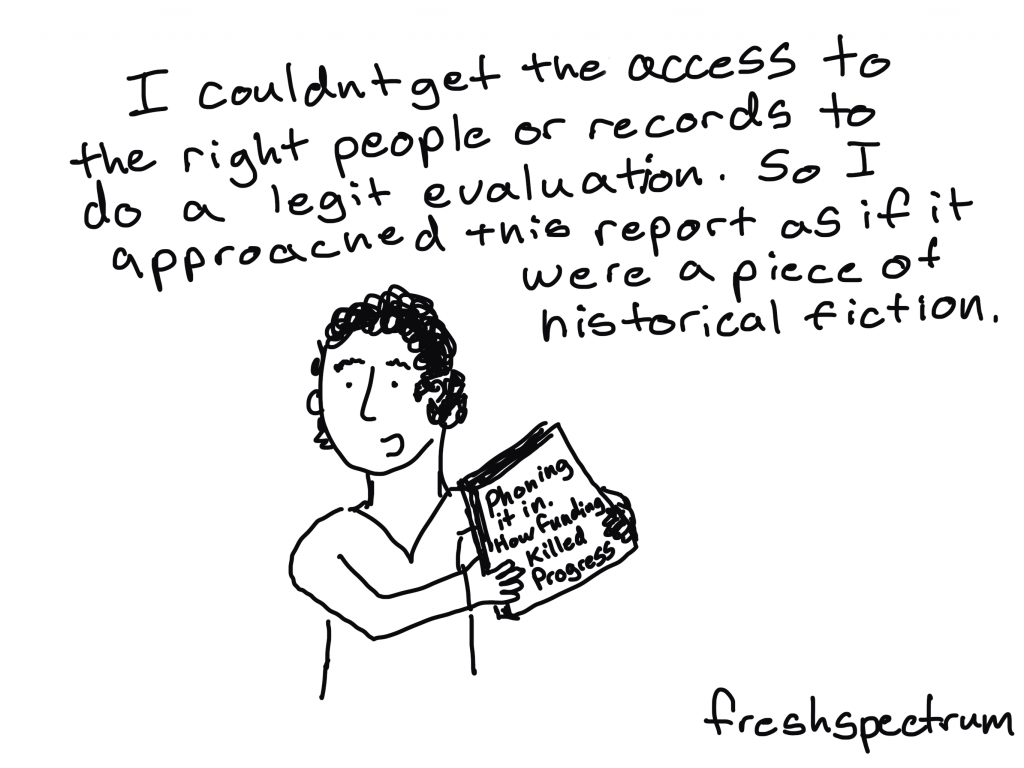
We believe the one who has power. He is the one who gets to write the story. So when you study history you must ask yourself, Whose story am I missing? Whose voice was suppressed so that this voice could come forth? Once you have figured that out, you must find that story too. From there you get a clearer, yet still imperfect, picture.

Homegoing by Yaa Gyasi

Written by cplysy · Categorized: freshspectrum

Sep 16 2020

The Power of Cartoons

This week I decided to take a dive into the world of cartoonists.

Aside from my childhood love of the funny pages (especially Peanuts, Garfield, and The Far Side) I wouldn’t say I had ever been that much of a cartoon connoisseur. Cartooning in my past was more a diversion than anything else, and that continued, even as I started to become known as the evaluation cartoon guy and cartoons helped shape my professional life.

But lately I’ve been wondering about all those influential cartoonists that I don’t yet know. What lessons have I been missing by keeping my eyes solely on the road ahead?

Today’s batch of cartoons with one exception, is inspired by cartoonists of bygone days. Artists and activists who understood the stuff that’s still so new to me.

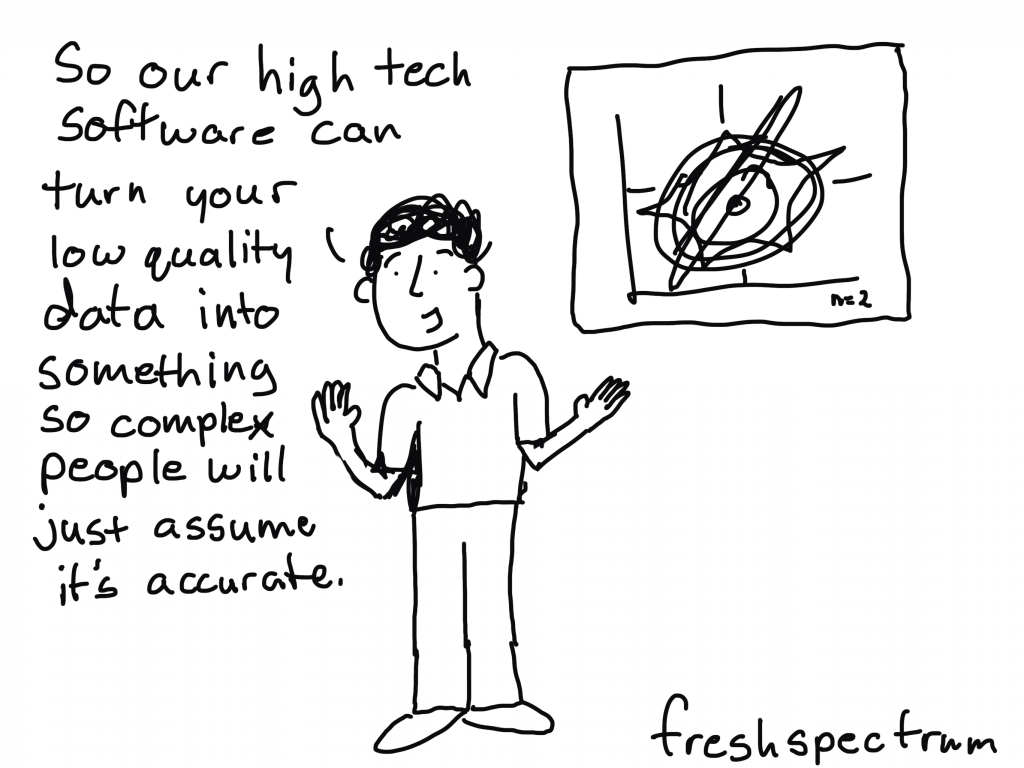
First the exception – why data visualization might just be too precise for its own good.

One day I’m going to do a study. I’m going to put a bunch of “best practice” data visualizations against a series of cartoons designed to illustrate a data set.

For a long time I’ve felt like the biggest advantage for data visualization is that it is an academically acceptable form of illustration. I don’t believe that most charts are more memorable or more effective at delivering key messages than any other form of illustration.

I recently stumbled into this article interviewing Mona Chalabi, I’m a super fan of her work and think her philosophy is spot on.

I was inspired by the fact that I was bored out of my tiny mind in a dead end job. My desk was in a little booth so it was easy to doodle discreetly. Slowly though, when people started to respond to my early work, I found it enormously encouraging that there was another way of doing data visualisation — one that would reach more people without compromising on precision. A big part of my philosophy is that computer-generated images overstate certainty, my hand-drawn graphics show the real margin of error in the numbers while reminding people that a human was responsible for the data gathering and analysis.

“If it’s about farts, draw a butt for god’s sakes”: Mona Chalabi tells us how to illustrate data

Cartooning and Women’s Suffrage

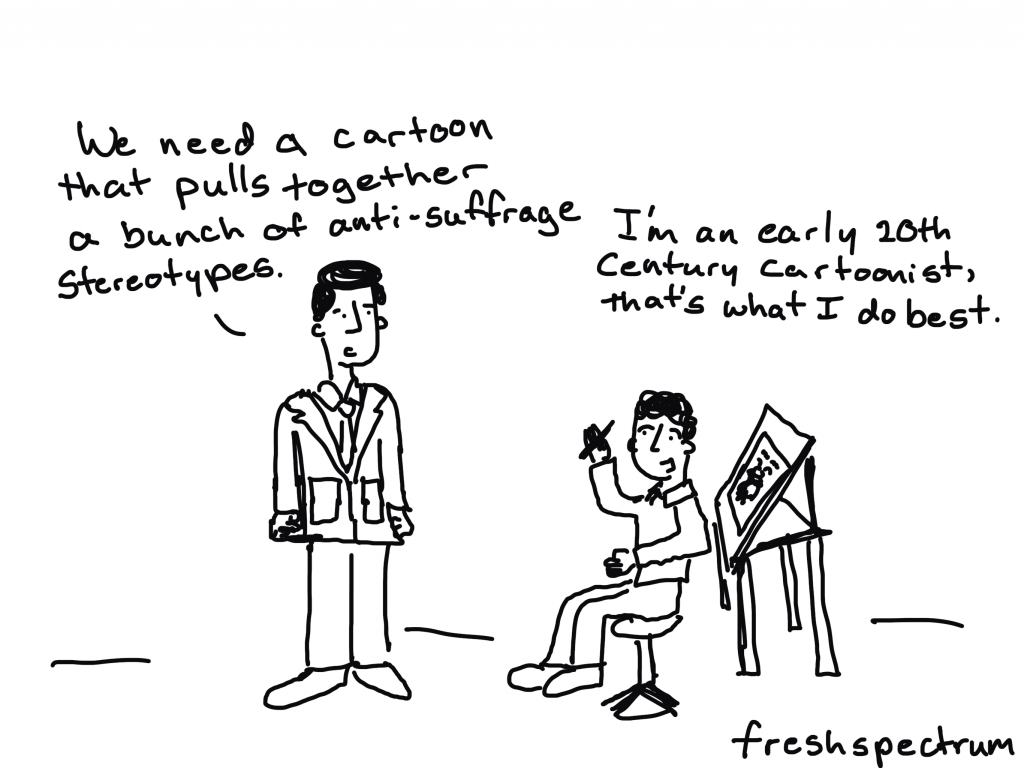
Regardless of nationality and which group the artists belonged to, they all recognized the importance of using visual imagery to reach larger audiences. So did the anti-suffrage campaigners who very quickly created their own visual propaganda and stereotypes. Stereotypes are implicitly negative (although positive stereotypes can also exist, they are usually used for negative reasons): they take an idea or object or person which in real life exists in various forms and they impose a single form which essentially denies those variations. The challenge for the suffragists was the challenge of subverting anti-suffrage stereotypes which already existed and creating equally compelling new stereotypes which would be recognizable but communicate an opposing message.

 Art Responds to Women’s Suffrage: Pro and Con

Exploring the Hilarious Chaos

Oliver Wendell Harrington’s work could be put into the papers today and be just as relevant. The more things change…

It was the first black comic strip to receive national recognition. Harrington later wrote about the birth of Bootsie: “I simply recorded the almost unbelievable but hilarious chaos around me and came up with a character. I was more surprised than anyone when Brother Bootsie became a Harlem celebrity.” Harrington became the first African American to establish an international reputation in cartooning.

Oliver Wendell Harrington: “America’s Greatest Black Cartoonist”

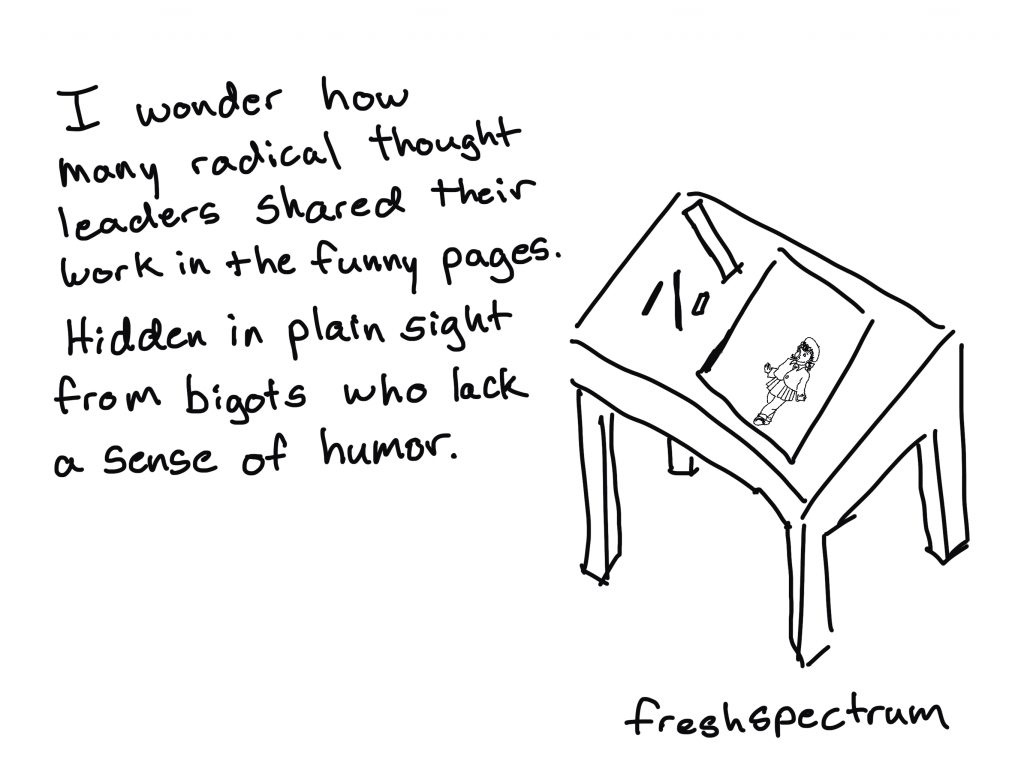
Hidden in the Funny Pages

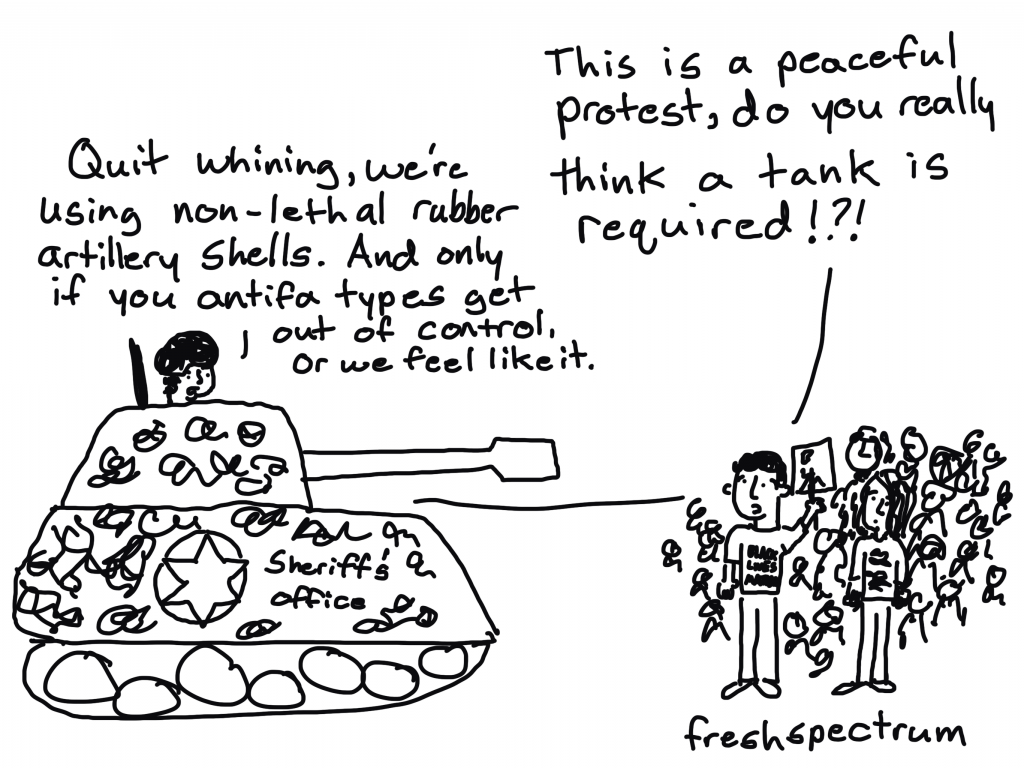
If you draw cartoons, you have a lot of latitude to just draw ridiculous things.

And lots of racist cartoonists would take that opportunity to just create one-dimensional ridiculous stereotype-laden characters of color.

Jackie Ormes did the opposite, drawing characters with elegance and nuance and infusing her comics with so much wit and truth.

While editors and writers would often be threatened and intimidated into reining in their content, cartoonists were largely left alone. And with lack of oversight they could criticize unjust policies without consequence.

An Unstoppable Force: The Story of Cartoonist Jackie Ormes [Illustrated Video]

Twitter Book Selfies and Coloring the Cartoons

I was super humbled after sharing my newly published book last week.

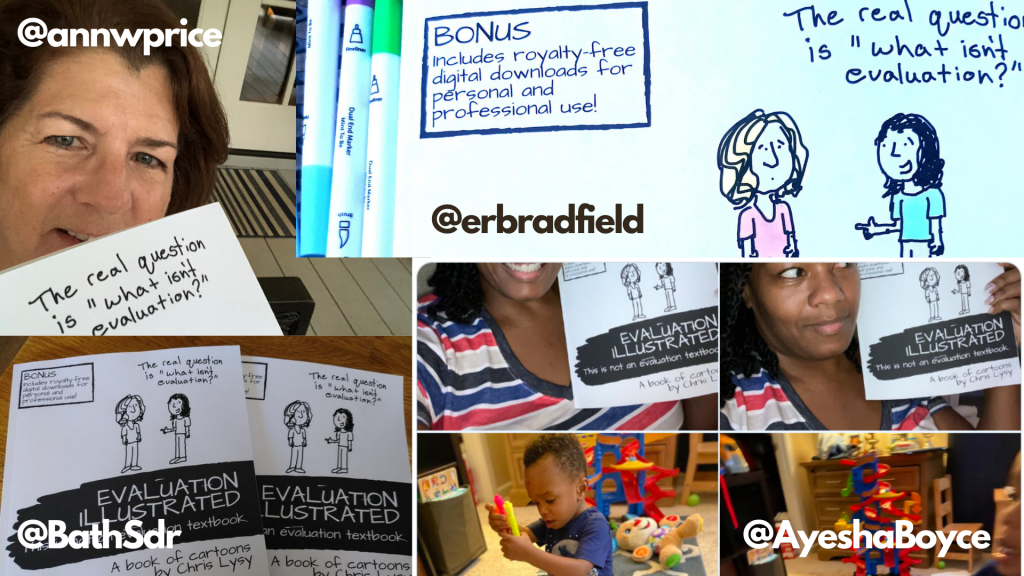
And this week I had some new surprises. I didn’t actually expect that my amazing readers would sharing pictures and videos of themselves with my book in hand on Twitter.

Then after exchanges with @AyeshaBoyce and @erbradfield, came another surprise. Because my cartoons are mostly black ink with lots of white space, I inadvertently created a coloring book.

Just in case you don’t know me well enough, both of these things (Book Selfies and Coloring) are totally encouraged!

Oh, and in case you missed last week’s email. I published a book. Here is where you can buy it.

On Amazon – Softcover

  • United States – US
  • Canada – CA
  • United Kingdom – UK
  • Germany – DE
  • France – FR
  • Spain – ES
  • Italy – IT
  • Japan – JP

On Amazon – eBook

  • United States – US
  • Canada – CA
  • United Kingdom – UK
  • Germany – DE
  • France – FR
  • Spain – ES
  • Italy – IT
  • Netherlands – NL
  • Japan – JP
  • Brazil – BR
  • Mexico – MX
  • Australia – AU
  • India – IN

Other Retailers

  • Barnes and Noble
  • More to come…

Written by cplysy · Categorized: freshspectrum

Sep 09 2020

I have a book now! Introducing Evaluation Illustrated

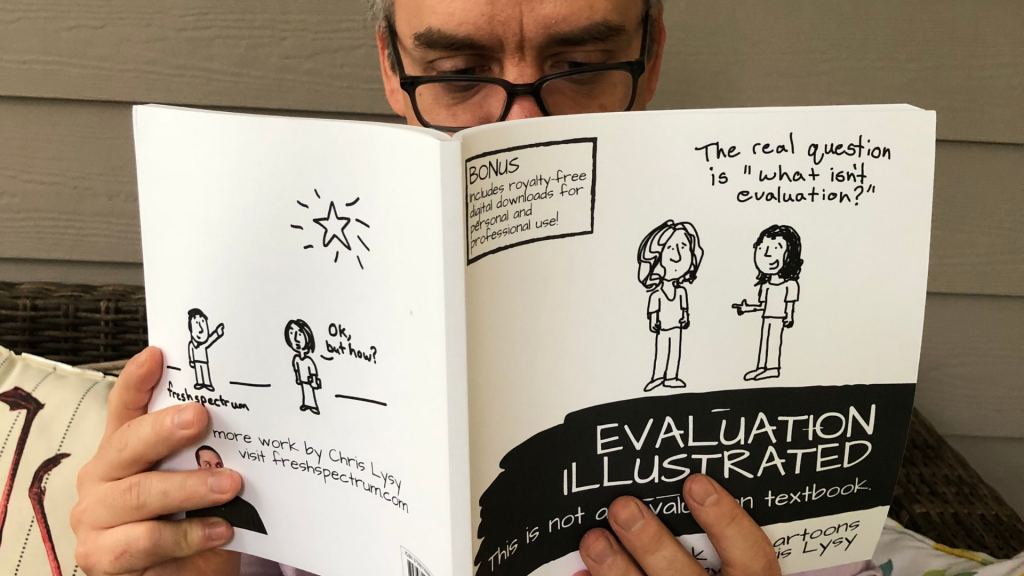
Seriously, it’s now on Amazon. You can buy it!

So yeah, I have a book.

I guess, technically, I’ve had a book since August 27. That’s when I put it up on Amazon. It’s just, nobody knew about it and I didn’t share it with anyone until I could have a copy in my hands.

It’s 114 of my favorite evaluation cartoons, in paperback.

These are cartoons that if you’ve been following me for awhile you probably already know. Maybe you even have copies of some these cartoons in a folder on your computer waiting to be put into your next presentation slide deck.

But there is something about a book. To be able to flip through the cartoons without a screen. To have something you can give to colleagues and friends. To be able to flag the copy with sticky notes for that next time you meet with a potential client.

Now, I could really use your help.

If an author self publishes a book, and his amazing friends/followers don’t share it on their social networks or write nice Amazon reviews, does it exist?

Maybe Confucius (or Aristotle) (or Einstein) (or Gretzky) (or North American Proverb of Unknown Origin)

Please do these things, in whatever order you choose.

  • Share my book on your social media network of choice (here is the Amazon link)
  • Write me an Amazon Review (if you are reading this you probably know my cartoons well enough to say nice things about my work)
  • Buy the book.
  • Send me a message via email (chris @freshspectrum.com) and let me know your favorite cartoon of mine, and why. My hope would be to read some these via little videos to promote the book.

Thank you so much for all the support you have given to me over the years. And for all of you who have been asking me to put some of my cartoons in a book, thank you for both your encouragement and your patience 🙂

Written by cplysy · Categorized: freshspectrum

Sep 03 2020

Thinking like a sociologist.

Just like evaluation, sociology found me.

I started undergrad majoring in biological resources engineering. At the time I was a lazy student lacking motivation. And because those two things don’t mix well, I almost dropped out of school after freshman year.

Luckily, I was able to change course. And after a few more major switches, I discovered my field.

Sociology is a landing spot for students who prefer classroom discussion to multiple choice. Where psychology is about people, sociology is about the context surrounding the people.

But for me sociology was always more than just the discipline. It was the types of people and conversations it brought together. The best sociology professors were not lecturers, they were conversation facilitators. And the conversations, contentious as they may have been from time to time, helped me to develop my critical thought process.

In today’s cartoon newsletter I’ll dig into just a little bit of work from a few sociologists.

Digging Deeper

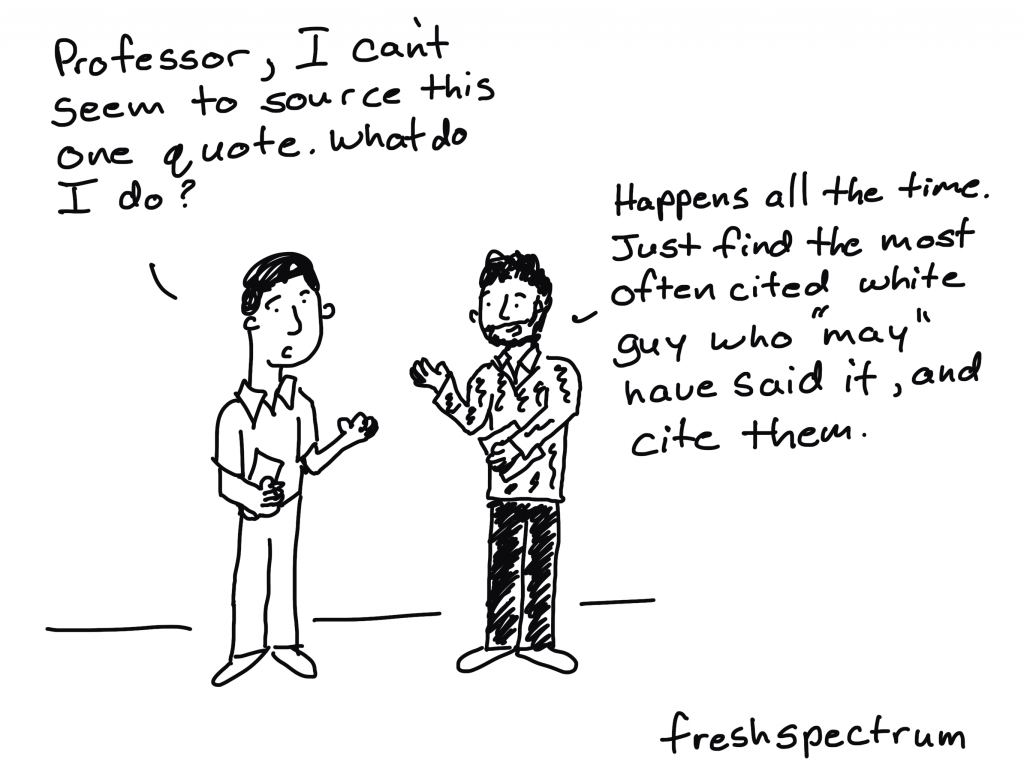
Have you ever tried to source a quote and found yourself diving deeper and deeper into a never ending rabbit hole? This book by Merton is an account of one of these journeys, decades before the internet.

With playfulness and a large dose of wit, Robert Merton traces the origin of Newton’s aphorism, “If I have seen farther, it is by standing on the shoulders of giants.” Using as a model the discursive and digressive style of Sterne’s Tristram Shandy, Merton presents a whimsical yet scholarly work which deals with the questions of creativity, tradition, plagiarism, the transmission of knowledge, and the concept of progress.

On the Shoulders of Giants: The Post-Italianate Edition

Challenging Assumptions

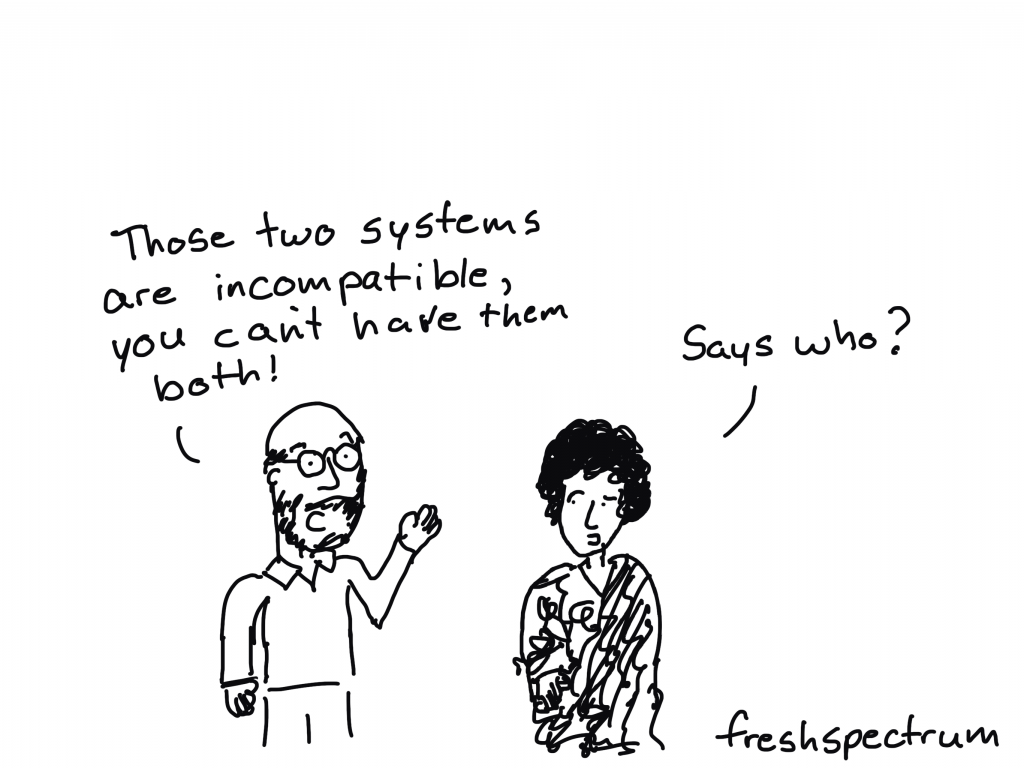
Ever since connecting with Vidhya Shanker‘s work I find myself diving deeper into theorists I missed while in grad school. There is so much to discover across all fields often hidden in plain sight.

Here is one, the late sociologist Fatema Mernissi. While you should definitely check out her work, a simple starting point would be this 7 minute NPR remembrance.

I started this slogan. I, as a Muslim woman living in 1993, I want to have two things – the mosque and the satellite, both at the same time. And no one can mutilate me by telling me I cannot have the mosque or the Koran. Someone else is going to read for me or go at my place to the mosque, and/or to tell me you shouldn’t take anything from the West because the West is the enemy and so on. It is to me to decide. I am intelligent enough to be critical towards the West and take what I need and reject what is bad for me.

Remembering Islamic Feminist Fatema Mernissi

Understanding does not mean approval

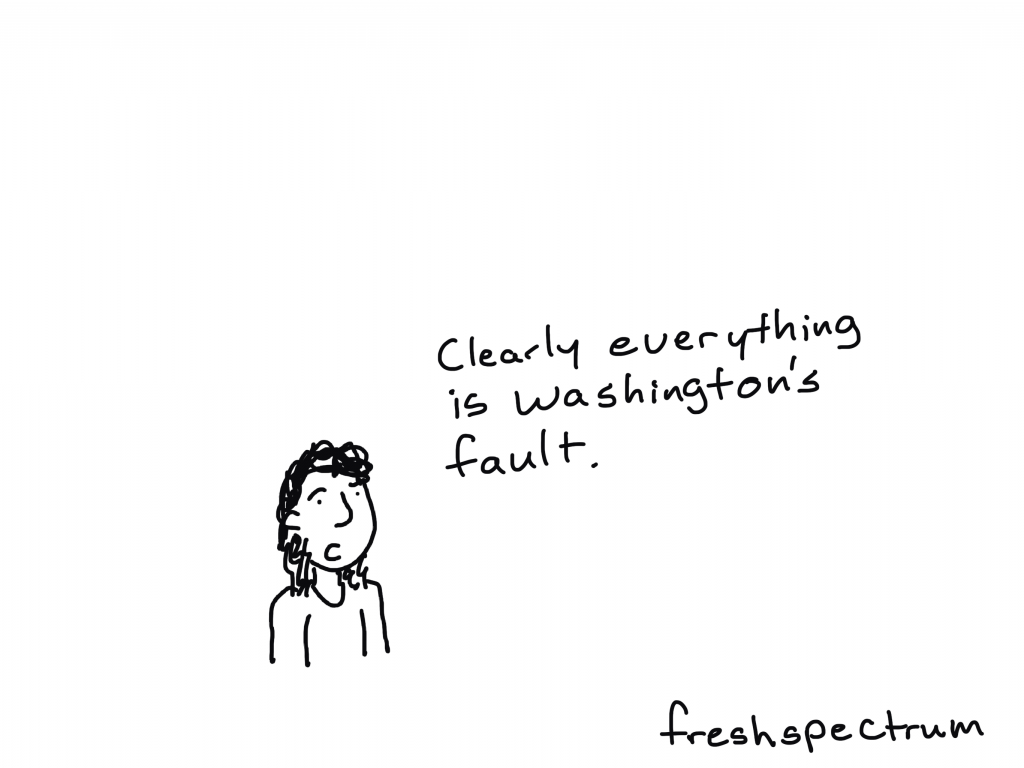
When in doubt, blame the federal government. And if you can get enough people to do that, you can the find your way to the top federal government position by railing against people currently in the federal government.

I’m not sure that Washington is doing anything to harm these communities. To be honest, a lot of it is just scapegoating. And that’s why you see more xenophobia and racism in these communities. There’s a sense that things are going badly, and the impulse is to blame “others.”

A Princeton sociologist spent 8 years asking rural Americans why they’re so pissed off

Masculinity and Trump Support

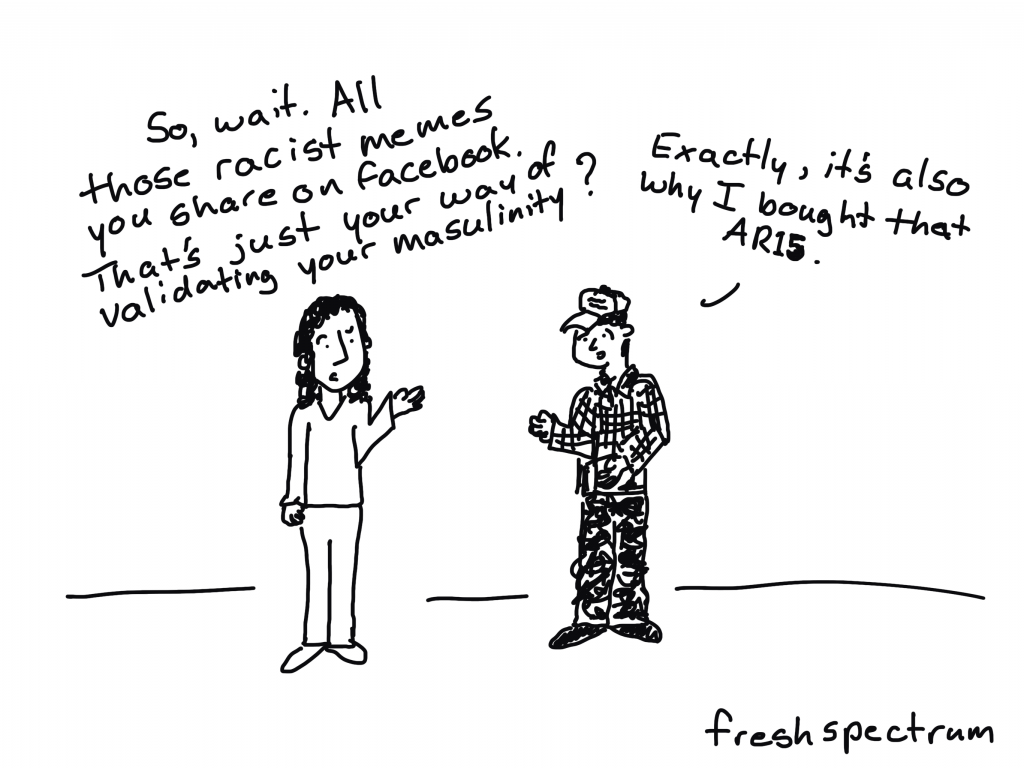
I read a Vice article last week about the Kenosha murderer, and there was a line at the end that’s been haunting me. It was something the author pulled from far-right message boards “Well he became a man today, that’s for sure.”

I doubt anyone following this newsletter needs to hear this, but that is not what it means to be a man.

I think it’s a false debate. I think nature and nurture are intimately linked. What we know is that testosterone as a hormone both drives aggression and responds to aggression. It is a really malleable hormone. And I think that you can’t understand the natural biological conditions of violence without understanding the social conditions, and I think you can’t understand the social conditions without understanding the biological conditions.

‘Angry white men’: the sociologist who studied Trump’s base before Trump

Upending the Status Quo

Patricia Hill Collins was my personal introduction to intersectionality through her book Black Feminist Thought. She was also the first black woman to be president of the American Sociological Association (in 2009, in the association’s 100th year).

The quote below comes from a talk she gave at Cambridge. It’s a long 50 minute talk, but she is a fantastic teacher. She doesn’t show slides, so it’s also the kind of talk where you can hit the play button on youtube and just listen.

It clearly has an established track record, but its challenge now is how much is it willing to leave behind what it has defended so staunchly for over 100 years?

Intersectionality and Sociology – Professor Patricia Hill Collins

Written by cplysy · Categorized: freshspectrum

  • « Go to Previous Page
  • Go to page 1
  • Interim pages omitted …
  • Go to page 47
  • Go to page 48
  • Go to page 49
  • Go to page 50
  • Go to page 51
  • Interim pages omitted …
  • Go to page 54
  • Go to Next Page »

Footer

Follow our Work

The easiest way to stay connected to our work is to join our newsletter. You’ll get updates on projects, learn about new events, and hear stories from those evaluators whom the field continues to actively exclude and erase.

Get Updates

Want to take further action or join a pod? Click here to learn more.

Copyright © 2026 · The May 13 Group · Log in

en English
af Afrikaanssq Shqipam አማርኛar العربيةhy Հայերենaz Azərbaycan dilieu Euskarabe Беларуская моваbn বাংলাbs Bosanskibg Българскиca Catalàceb Cebuanony Chichewazh-CN 简体中文zh-TW 繁體中文co Corsuhr Hrvatskics Čeština‎da Dansknl Nederlandsen Englisheo Esperantoet Eestitl Filipinofi Suomifr Françaisfy Fryskgl Galegoka ქართულიde Deutschel Ελληνικάgu ગુજરાતીht Kreyol ayisyenha Harshen Hausahaw Ōlelo Hawaiʻiiw עִבְרִיתhi हिन्दीhmn Hmonghu Magyaris Íslenskaig Igboid Bahasa Indonesiaga Gaeilgeit Italianoja 日本語jw Basa Jawakn ಕನ್ನಡkk Қазақ тіліkm ភាសាខ្មែរko 한국어ku كوردی‎ky Кыргызчаlo ພາສາລາວla Latinlv Latviešu valodalt Lietuvių kalbalb Lëtzebuergeschmk Македонски јазикmg Malagasyms Bahasa Melayuml മലയാളംmt Maltesemi Te Reo Māorimr मराठीmn Монголmy ဗမာစာne नेपालीno Norsk bokmålps پښتوfa فارسیpl Polskipt Portuguêspa ਪੰਜਾਬੀro Românăru Русскийsm Samoangd Gàidhligsr Српски језикst Sesothosn Shonasd سنڌيsi සිංහලsk Slovenčinasl Slovenščinaso Afsoomaalies Españolsu Basa Sundasw Kiswahilisv Svenskatg Тоҷикӣta தமிழ்te తెలుగుth ไทยtr Türkçeuk Українськаur اردوuz O‘zbekchavi Tiếng Việtcy Cymraegxh isiXhosayi יידישyo Yorùbázu Zulu