• Skip to main content
  • Skip to footer
  • Home

The May 13 Group

the next day for evaluation

  • Get Involved
  • Our Work
  • About Us
You are here: Home / Archives for allblogs

allblogs

Jul 28 2020

Personas: Visualizing Your Audience & Customer

When we design any service or product we are creating it with someone in mind. Personas are a design-oriented approach that can enable us to envision this ‘someone’ – our markets – to better design our products and services for them.

Whether it is a new software product, a grant-making project, a collaborative initiative, or a social policy — any product or service is designed for some person(s) and groups. The more we can anticipate what the needs, wants, and preferences are of this group and how they live, work, and play — the better fit we’ll have.

Personas are a visual way to develop hypotheses and insight into what our customers, clients, and audiences might think, act, and use .

Personas: Qualities

Personas provide evidence-based insights that help us reframe
challenges by creating caricatures that are rooted in data and observations and can provide us with a means to anticipate how or why these individuals might engage with our products and services.

• Personas are not just descriptions of what we already believe about our audience. They come from the perspectives of our actual users. They may challenge or differ from the usual categories we rely on to think about our users.
• Each persona represents a group of users with similar characteristics,
habits, needs, and/or goals
. Demographics may or may not play a key
part in a persona.
• Users also differ in important ways from each other; personas highlight
differences that matter
.
• Personas are formed by bringing together multiple sources of
quantitative and qualitative data
from diverse internal and outside
sources. If the data is not available, then design research is recommended to gather what’s required to make informed decisions.

This might include: surveys, published research from elsewhere, government or external reports, key informant interviews, field observations and direct observation or engagement with users.

Design Steps

Personas begin by looking at the data you have available and, where necessary, gathering more data to ensure you have a reasonable sample that captures both who you believe is your primary user and those who might be potential users.

Examine patterns and look for qualities among the sample — those individuals and groups that are represented in the data — that might go together. This includes things like:

  • Demographics – those that matter related to your product (e.g., age, sex, gender, race, ethnocultural heritage, income, sexual identity, education, employment)
  • Personal Identifiers (e.g., lifestyle behaviours, consumption patterns)
  • Experience with product or service. Are they experienced or new? What knowledge do they have or need to use it? What motivation might they have to use it?
  • Aspirations. What does the product or service solve for this individual? What does it bring to them or allow them to achieve? What are their goals?
  • Fears and Hopes. What are the ‘pain points’ or the things that will attract or detract users from engaging with your product?
  • Skills and Knowledge. What do users know, need to know, and what skills are necessary to engage with your product or service?

Next, sketch out the user. Make them visual — a look or feel and even a name. You might find yourself coming up with many different personas and this is helpful do allow you to determine the differences that make a difference. For example, if you find that the use of your product isn’t highly influenced by a certain demographic quality then that persona isn’t as affected by what you choose on that issue.

Once your personas have been developed, it’s helpful to consult with actual users that represent those personas in some form to test or validate some of the assumptions you used to develop those personas. Personas are not representative of actual people, they are combinations of qualities so the fit doesn’t have to be perfect, just coherent. Coherence is what you’re looking for.

After this, refine and design. Take what you learn and start designing your product or service for these users.

Sample

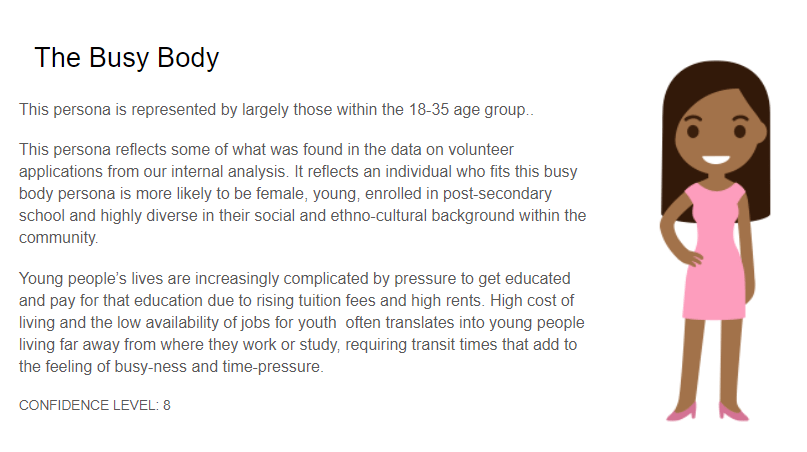
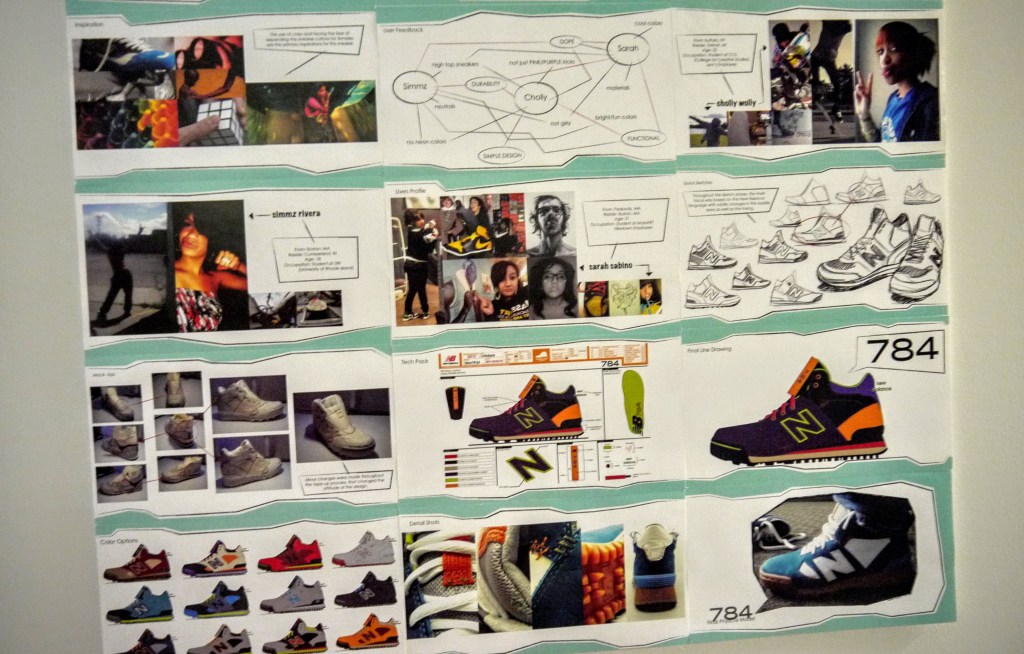
Below is an example of what a Persona could look like. The example below is modified from a real project undertaken by Cense Ltd and uses the example of volunteerism within a particular community as the focus. It represents one of many personas that were developed as part of an understanding of the issue. In this case, there was considerable data available on users which made it possible to give a confidence score out of 10 based on how confident the team felt the persona adequately represented characteristics of actual users.
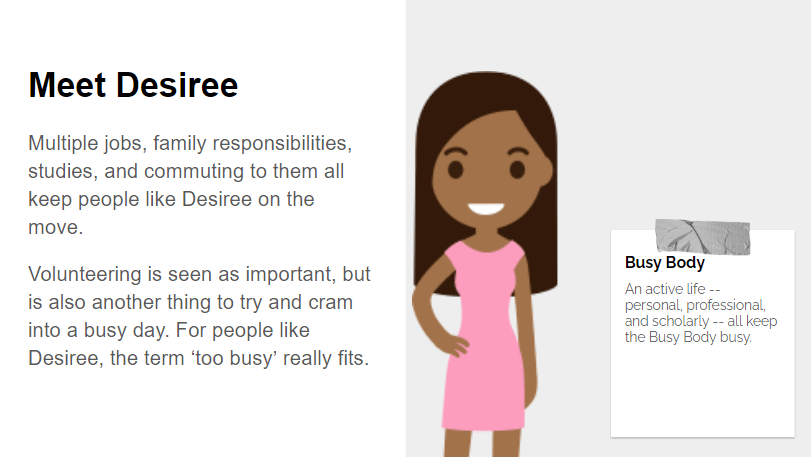
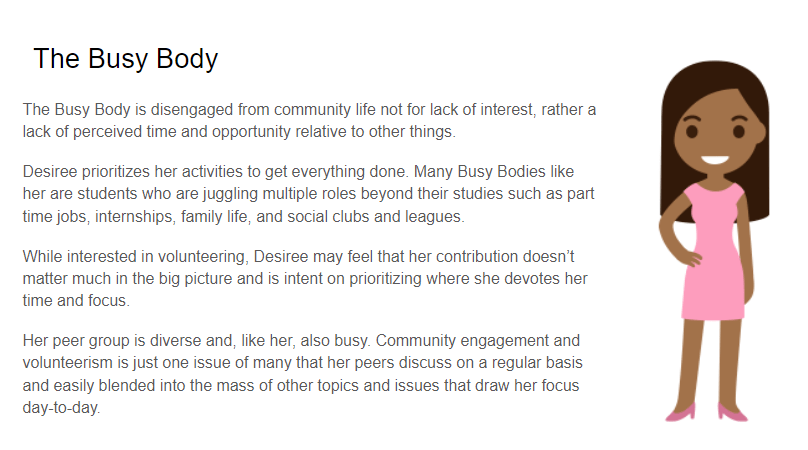
What you’ll find is that by undertaking this research and the process of envisioning your users and potential users you can create a better fit with your product, higher adoption rates, and far fewer problems down the road.

This is a highly participatory process and when combined with the best data and developmental design approach increases the learning of your organization as well as creating better, more innovative products.

Want to apply this to your work and need some help? Contact us and we can help. This is what we do.
Written by cplysy · Categorized: cameronnorman

Jul 24 2020

The Personal Inventory Method

What’s important to you? It might sound simple, but when we engage in service design the way we ask that question will shape the answers we get.

Keeping with a design-inspired ethos of ‘show, don’t tell’ the Personal Inventory method is a simple means to answer that question of importance for people.

The method is simple, flexible, and can be used in physical, digital, or hybrid contexts so it’s suited to a variety of situations where we might seek to understand the values and beliefs of an audience or particular service user. The Personal Inventory method is a means for participants to gather and catalogue artifacts and evidence of their activities that help answer the question they are posted about what is important to them in a particular context.

Setting Up

The Personal Inventory is shaped around a specific question tied to importance and value within a context. While it can be helpful to ask the question generally, most often we want to focus attention on a particular topic. For example, if we are seeking to design a system that supports patients in navigating their healthcare, we might ask a question: What is important to you about your healthcare experience? Or, What is important to you when being cared for?

The next step is to provide a context for data gathering and presentation. For those who are using digital tools, it might be worth using a platform that is easy to navigate such as a Pinterest board, a shared Google Photos or Flickr folder, or a more sophisticated, but highly modifiable tool like Milannote. The tool should be something that your participants feel comfortable with and this might require some initial training and support.

For using a physical media, a simple scrapbook or posterboard will do.

Gathering, Sharing, and Learning

Provide a timeline for the project that is reasonable and have individuals capture artifacts that represent or illustrate what is important to them. This might include original photos or videos, representative images from the Internet or magazines, even sound recordings. For physical-based projects, this could also including bringing in physical items (or photos of them).

The guidance for the participants is recommended to be light so that individuals aren’t too directed toward a particular ‘idea’ and influenced to give what they think the researcher wants.

Once gathered, the process of ‘show and tell’ can be illuminating for everyone involved. This can be done as part of an individual interview/conversation or as part of a group (with permission from all participants) to allow everyone to speak to what they are sharing. Sometimes items might have a clear explicit meaning and an implicit meaning. The design team has an opportunity to converse with participants and ask further questions to help understand values, behaviours, and memories.

Outcomes

The Personal Inventory method is a creative, visual means to engage participants in research and elicit knowledge about values-in-practice. The opportunities to inquire about things in context and in relation to the problem domain that we are design for is high and it allows individuals to speak to their experience freely in a non-technical way. This method works well for people of various literacy levels and means and can produce insights into what both current designs do (and don’t) and what future designs might consider.

This is a simple method to use. If you want or need help designing your project and using this, reach out and contact us. This is what we do.

Written by cplysy · Categorized: cameronnorman

Jul 22 2020

Why this evaluator is for abolition.

I am writing in response to Chris’ Evaluation as Protest blog. I appreciate the blog’s call to action and hope the examples of concrete actions shared will inspire evaluators to imagine something different and to take action. While reading the blog, I noticed that a perspective was missing: the police and prison abolitionist movement. Instead, I saw two approaches to reforming the criminal legal system or prison industrial complex: Campaign Zero and the Obama administration’s President’s Task Force on 21st Century Policing. I reached out to Chris to flag what I saw as a gap, and he asked me to write a blog about it. So, here I am!

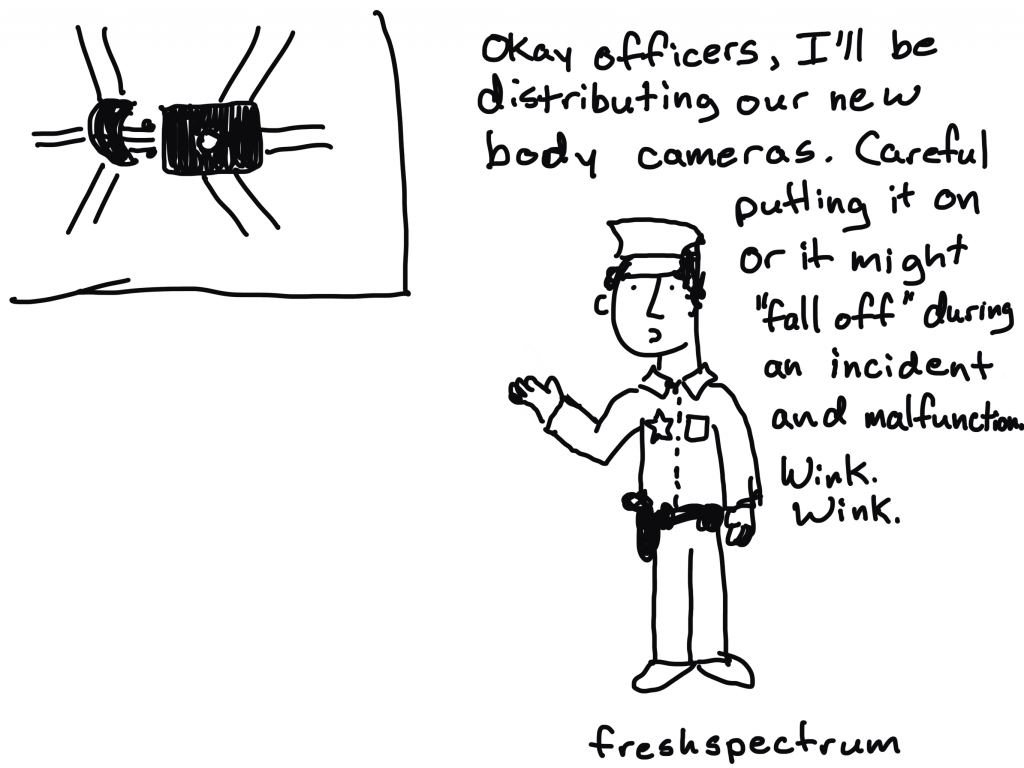
On the surface reform makes sense. And it has gained traction among many Democrats in this moment of increased attention on police brutality and growing support for BLM. Even where I am residing in Colorado a police reform bill passed in response to protests here locally, which includes reforms like bans on chokeholds and body camera requirements. In contrast to reforms, abolitionists have been arguing since the 1960s that reforming the prison industrial complex will not work.

I want to share a bit of the abolitionist perspective with you today, and then directly connect this to my evaluation practice. Perhaps it will inspire you to do the same. There is no way that I can do the decades of work preceding me and still happening justice in a blog post. However, there are a multitude of abolitionists you could turn to if my words inspire you to learn more (read on!).

One of the core arguments presented by abolitionists is that the prison industrial complex does not and has never provided safety, especially for BIPOC communities. In fact, the system has done exactly the opposite.

Policing and prisons have a long, consistent, and strategic history of violence against BIPOC and working-class communities and suppressing their organizing. Abolitionist Mariame Kaba eloquently states:

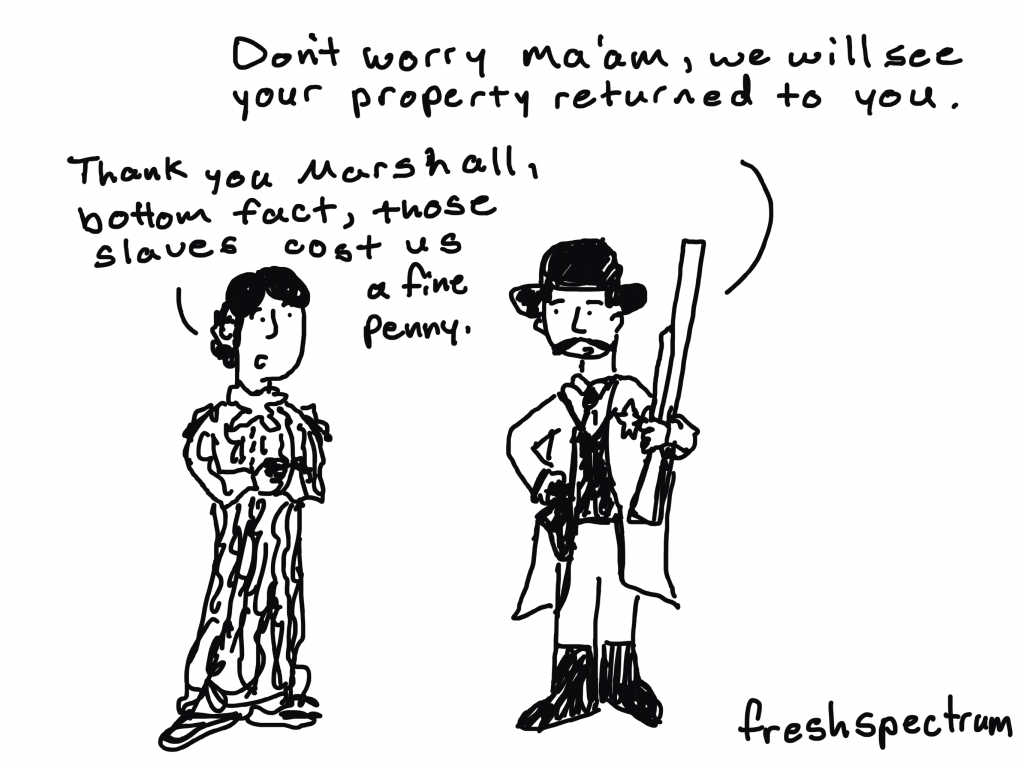
There is not a single era in United States history in which the police were not a force of violence against black people. Policing in the South emerged from the slave patrols in the 1700 and 1800s that caught and returned runaway slaves. In the North, the first municipal police departments in the mid-1800s helped quash labor strikes and riots against the rich. Everywhere, they have suppressed marginalized populations to protect the status quo. So when you see a police officer pressing his knee into a black man’s neck until he dies, that’s the logical result of policing in America. When a police officer brutalizes a black person, he is doing what he sees as his job.

Mariame Kaba

MPD150 in Minneapolis, “a participatory, horizontally-organized effort by local organizers, researchers, artists and activists” to quote their website, explains that turning to the police has never been a safe option for BIPOC communities:

“We want to make sure everyone has someone to call on for help. It’s critical to note, though, that for many of us, especially those of us living in under-resourced, Black, indigenous, and people of color communities, the police have never been helpful. In fact, they’ve been a major source of harm and violence. Millions of us already live in a world where we don’t even think about calling on the police for help; it isn’t some kind of far-future fantasy. “

MPD 150

Other accounts of this history explain “this tension between African American communities and the police has existed for centuries” and “police brutality isn’t an anomaly, but is built into the very meaning of law enforcement in the United States”. In short, the prison industrial complex does not and has never kept Black communities safe.

I have personally fielded a number of questions as I have engaged in dialogue with friends and family about abolition. Questions like: What about perpetrators of domestic and sexual violence? What about murders and rapists? Where will they go?

The first thing that comes up for me in these conversations is ways in which the prison industrial complex has consistently murdered, raped, and sexually assaulted BIPOC and LGBTQ communities. Safety is not what we get when we interact with this system and these questions ignore this reality. Specific to sexual violence, multiple studies have demonstrated that police officer sexual violence is a widespread, systemic problem in our country, especially for Black and other women of color. Moreover, we know that majority of perpetrators are someone survivors know personally, the vast majority of rapes and attempted rapes do not end with incarceration, the vast majority of incarcerated women have been victims to sexual and domestic violence, and women who act in self-defense of these crimes are often imprisoned, especially BIPOC and transgender women.

Abolitionist Angela Parker poignantly articulates a deeper explanation for why questions like these are missing the mark, and asks us to more deeply interrogate the assumptions undergirding these questions:

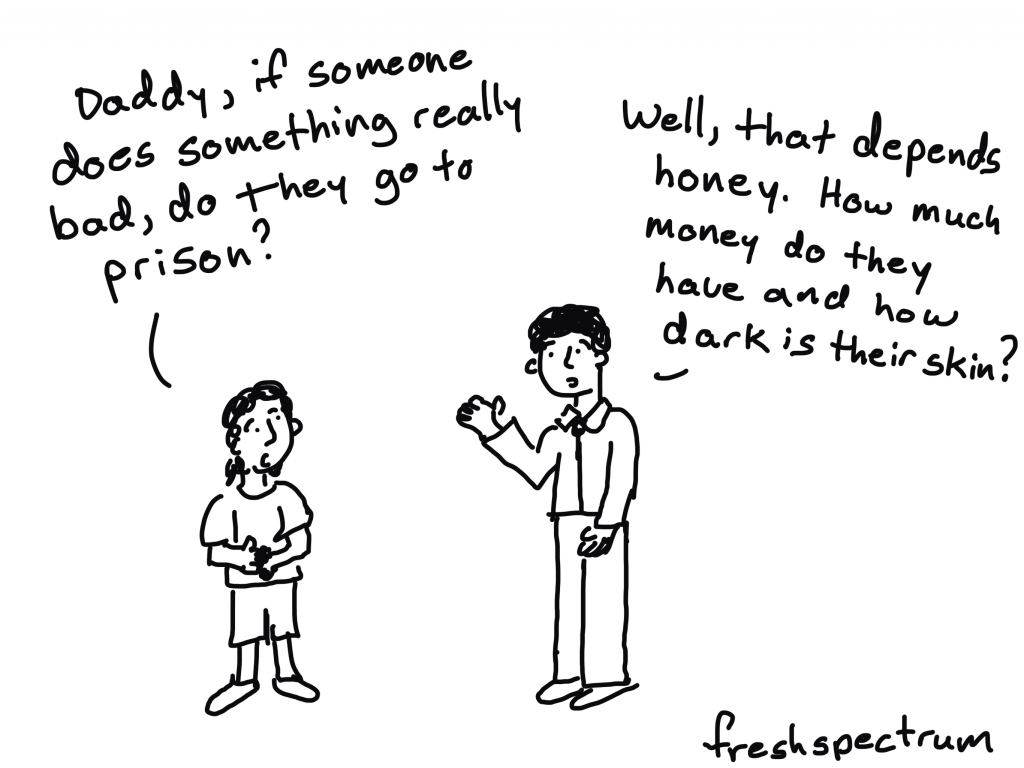
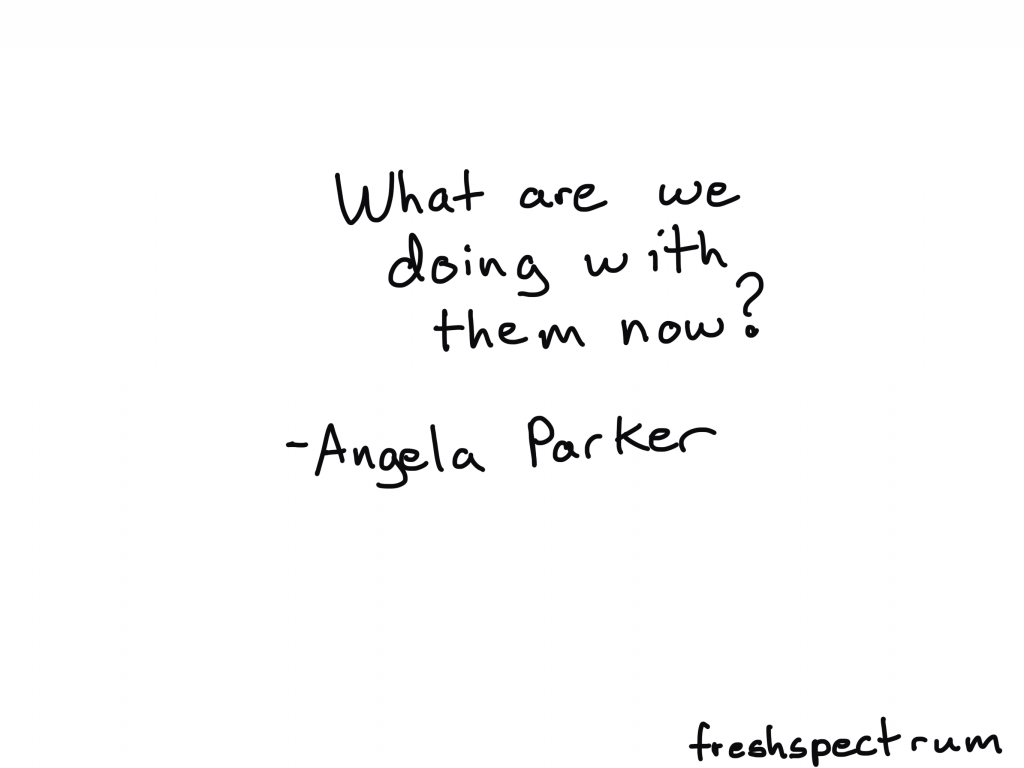
When people ask me what we will do with the rapists and murderers if we abolish the prison industrial complex, including prisons and police, I typically respond “what are we doing with them now?” The original question itself requires unpacking. To ask “what will we do about the rapists and murderers” implies that rapists and murderers primarily make up the 2.3 million people currently incarcerated, not inclusive of people impacted by mandates, probation, parole, and e-carceration. The underlying implication is that prison is a place where dangerous people go to be held accountable for their poor choices. If this were the case, then the fact that Black and indigenous folks, and immigrants primarily make up the prison population means we are predisposed to dangerous behavior and poor choices. Yet we know this is not the case. So before we dive deeper into this question, I want us to challenge this subconscious thought. Prison is not a place for bad people. In the U.S., prison is an invention of white supremacist capitalism. It functions, essentially, to disappear unwanted populations.

Angela Parker

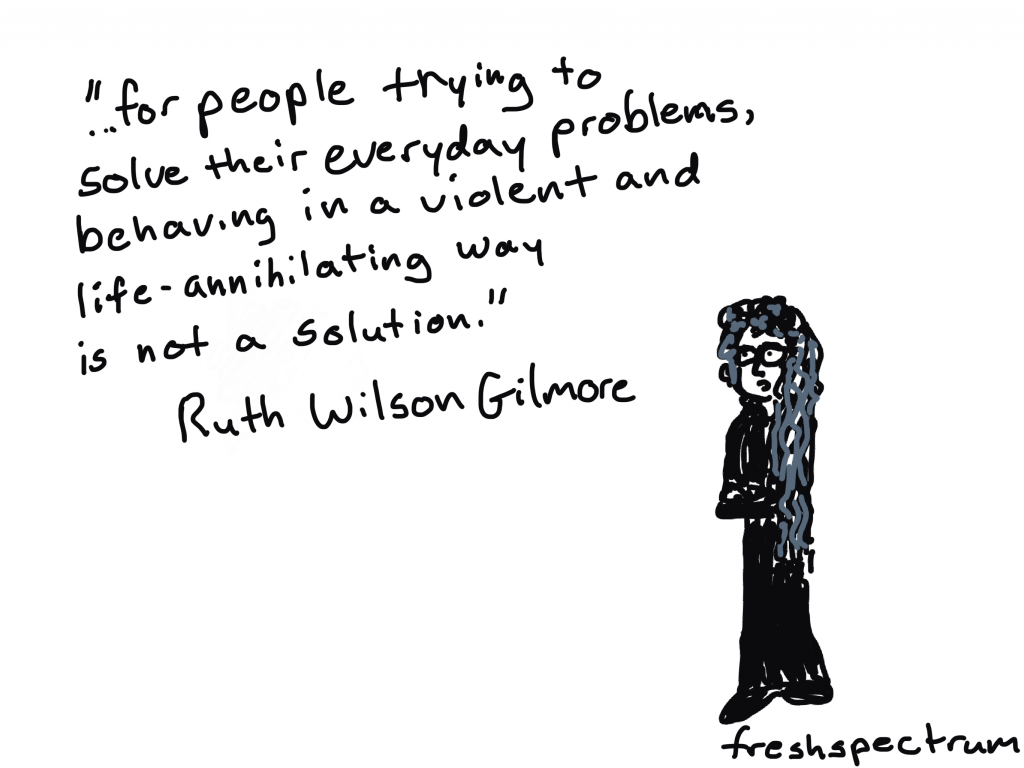
In short: prisons and policing do not provide our communities with justice or safety. And they do not actually address the problems that lead people to commit acts of violence. Can you imagine a world where we funneled more funding to support community and survivor centered forms of accountability and healing?

You might be wondering why not just reform policing through more training, limiting use of force, and other reforms?

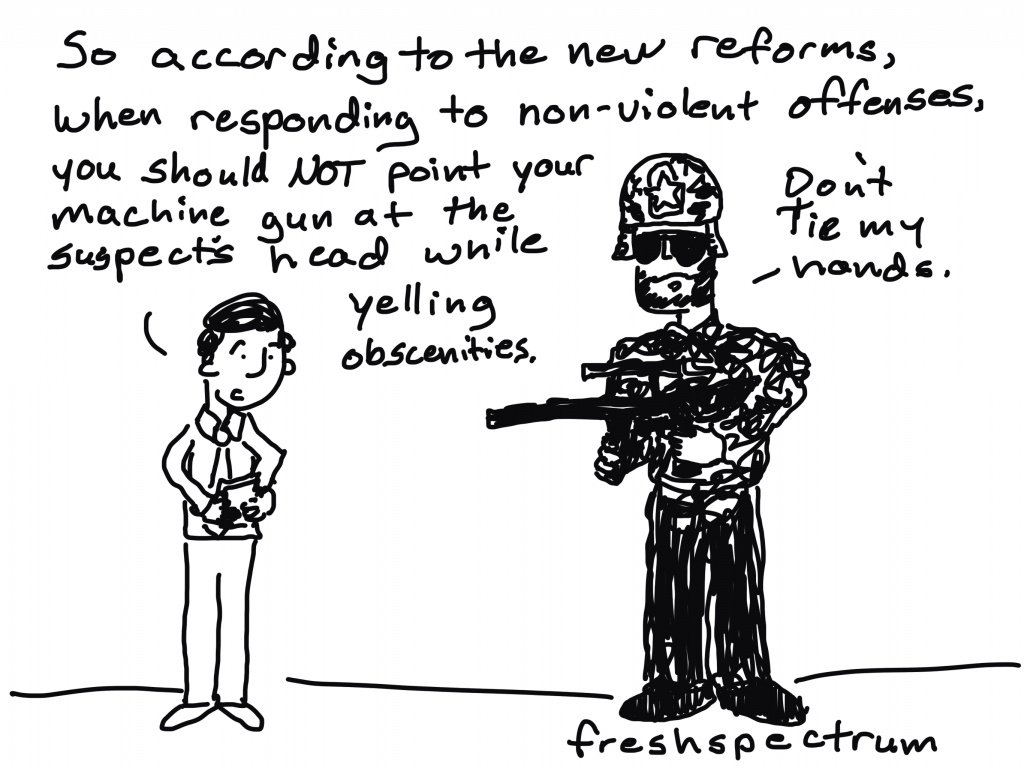
Reform assumes police follow rules, but in actuality police break rules all the time, including by acting violently against protestors. Police departments with reforms in place like body cameras and banned chokeholds do not stop them from breaking those rules in order to murder BIPOC people. Attempts to reform policing and the prison industrial complex have not worked historically, time and time again. For example, George Floyd was murdered despite a slew of reforms in place:

More training or diversity among police officers won’t end police brutality, nor will firing and charging individual officers. Look at the Minneapolis Police Department, which is held up as a model of progressive police reform. The department offers procedural justice as well as trainings for implicit bias, mindfulness and de-escalation. It embraces community policing and officer diversity, bans “warrior style” policing, uses body cameras, implemented an early intervention system to identify problematic officers, receives training around mental health crisis intervention, and practices “reconciliation” efforts in communities of color. George Floyd was still murdered. The focus on training, diversity and technology like body cameras shifts focus away from the root cause of police violence and instead gives the police more power and resources. The problem is that the entire criminal justice system gives police officers the power and opportunity to systematically harass and kill with impunity.

McHarris and McHarris

In another example, New York amended its patrol guide to treat transgender and gender nonconforming communities with dignity and respect — guidance included things like referring to people by their preferred gender pronouns — and yet transgender and gender nonconforming New Yorkers reported police abuses continued years after the reform. The Obama administration’s President’s Task Force on 21st Century Policing final report is another example of reform that a member of the task force has explicitly stated will not work and instead argues “policing as we know it must be abolished before it can be transformed.”

Okay, but really how else can we keep our communities safe?

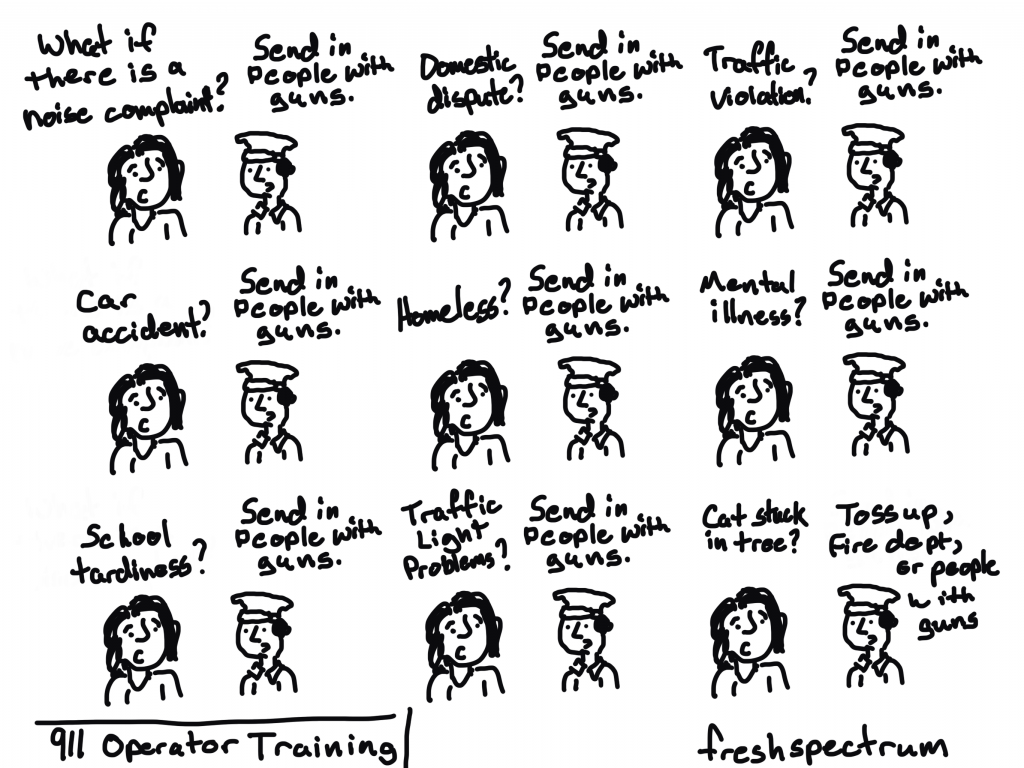
As I recently heard during a virtual teach in hosted by Critical Resistance, Black Visions Collective, Reclaim the Block, and many others “We can dramatically reduce policing now because policing is not about crime control”. In fact, a majority of police officers’ time is not spent on policing on violent crime as Alex Vitale, author of the End of Policing, explains during a Jacobin interview.

What if we could reimagine how we address social problems and move beyond conceptualizing violence as an individual problem (e.g., some police officers are good, there are just a few bad apples).

 Punishment centers individualistic understanding of crime and ignores the systemic and structural drivers that create the conditions that lead to crime and inequality. And this is directly linked to the neoliberal, racist capitalism, which also perpetuates individualist, racist perceptions of inequality: if Black and poor folks could just pull themselves up by their bootstraps, they could succeed. 

What if we could disentangle our understanding of accountability from punishment? Can you imagine a world where we hold people accountable for their violence and harm without punishment and throwing them in cages, which only perpetuates and nurtures violence?

So, what are the alternatives?

First, communities have demonstrated that they can create safety for their communities beyond policing. Communities across our country in the context of protests and organizing have banded together to create safer communities including things like mutual aid, coordinating the supply of personal protective equipment (PPE) and first aid, setting up networks to share information about upcoming police sweeps of unhoused people and anticipated attacks from white supremacists, pod mapping, and approaches to restorative and transformative justice grounded in community, not funneled through the prison industrial complex.

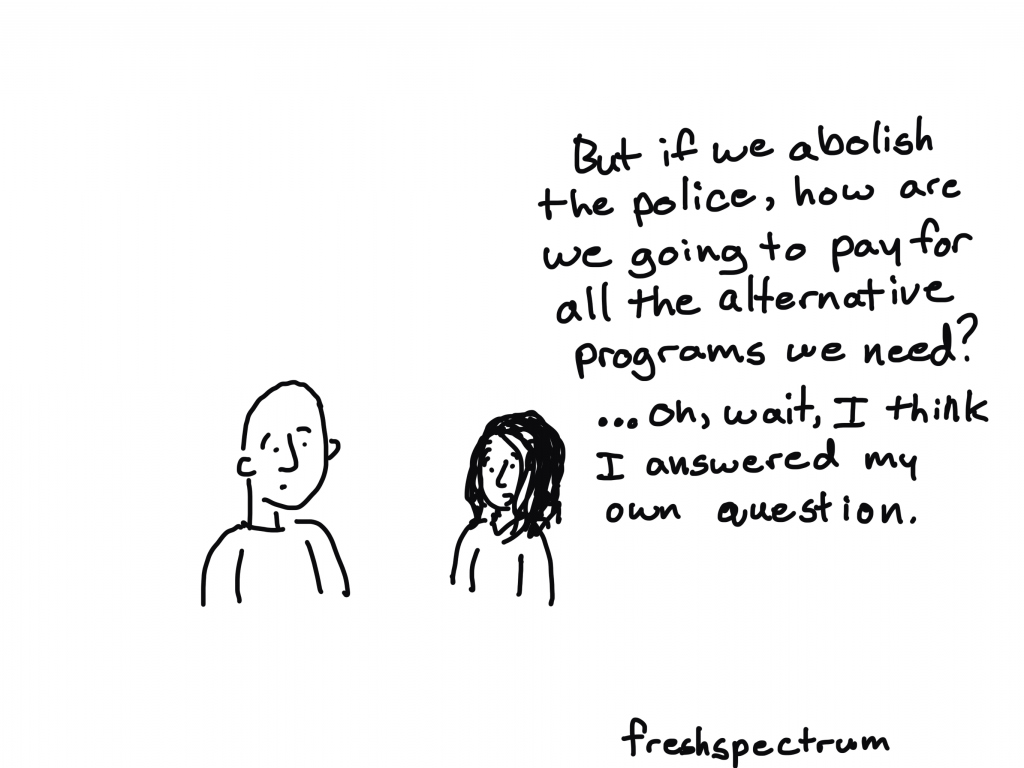
Second, rather than reforming a system that has been designed to harm and inflict violence, abolitionists argue that we should move towards abolishing the entire prison industrial complex, including policing, courts, and imprisonment. Abolitionists are not solely arguing to defund, divest, and dismantle the prison industrial complex, they are arguing to increase positive, proactive investments in community to foster healing, prevent harm, and create safer communities.

Mishi Noor, activist with Black Visions and Reclaim the Block, spoke to Trevor Noah about their rationale for shifts in their organizing strategy in Minneapolis from a focus on reform within the system to abolitionist demands to reduce the “the scope, the scale, and the power of police”.

Abolitionists reject the idea that punishment is an effective solution when someone inflicts harm and reject racist, neoliberal capitalism that values profit over people and erases structural and systemic understandings of humans in favor of individualism. This notion that punishment is the solution to individual crime is so ingrained in our systems and minds that imagining a different reality is very difficult for many of us.

If you want to learn more, I can offer a few great places to start:

  • http://criticalresistance.org/
  • http://transformharm.org/
  • https://www.8toabolition.com/

Finally, you might be wondering what does this have to do with evaluation?

At its core, abolitionist practice centers healing, liberation, and transformation and harnesses constant reflection, collaboration, and connection in service of meeting community needs. It’s about going beyond tweaks and reforms, and instead crafting whole scale transformations and creating something new in order to dismantle racist, homophobic, sexist, ableist systems of oppression. Many of us have demonstrated solidarity and even engaged in direct action in support for BLM outside of our evaluation practice over the past few months. What would it look like if we wove an abolitionist perspective into our evaluation practice and explicitly interrogated the ways in which we perpetuate white supremacist values within our organizations and our evaluation practice? What whole scale transformations of evaluation could we foster if we looked closely at the ways in which we tokenize and push evaluators of color to assimilate to hegemonic ways of conceptualizing and practicing evaluation and in turn exclude subjugated forms of knowledge and practice?

In addition to the aforementioned Evaluation as Protest blog, ¡Milwaukee Evaluation! shared Dos and Don’ts for evaluators engaging in protest. And let’s not forget their Call to Arms teach in where they asked us to interrogate the ways in which evaluators are complicit in the normalization and rationalization of neoliberal capitalism and reflect critically on whose economic interests our evaluations serve (e.g. foundations who have made decisions about what matters and the types of questions to ask). Then, on an EvalCentral Unwebinar episode addressing the question Why is Evaluation so White? Vidhya Shanker systematically highlighted the erasure of POC evaluators in the evaluation canon and then shared a generative and transformational response — the co-creation of a Minnesota IBPOC Community of Practice.

These are just a few recent sources of inspiration that help me reflect on the ways I can bring an abolitionist perspective to my evaluation practice and across all of my networks and spheres of influence. For me this has meant reclaiming my time and energy by working directly on abolitionist organizing locally, reflecting on the ways in which I have personally been assimilated into the evaluation field, and moving towards centering subjugated forms of knowledge and practice through my consulting practice and collaboration with others.

If this resonates with you, how might you integrate abolitionist values and principles into your evaluation practice? I would love to hear from you if you want to share, discuss further, or if you have any questions.

In community,

Aisha

Aisha Rios, PhD is an evaluator, applied anthropologist, and the founder of Coactive Change, where she envisions a world where community knowledge is valued and coexists with evaluation to advance social justice.  Her mission is to support change agents, advance equity, and disrupt systems of oppression.

If you are interested in working with Aisha, you can schedule a free 30 minute consultation at https://calendly.com/aisharios.

Written by cplysy · Categorized: freshspectrum

Jul 21 2020

Launching Now: Evaluation Coaching


Sometimes online resources just aren’t enough. Some questions call for discussion, for a second opinion – a coach. That’s why Eval Academy is launching its new evaluation coaching service.

Check it out

What is it?

An evaluation coach works with you on your evaluation goals, helping you to understand where and how to improve. You can evaluate – and you can do it better with a coach. Evaluation coaching can help you with:

  • Developing your logic model

  • Understanding stakeholder resistance

  • Strengthening your evaluation plan

  • Choosing your methods

  • Editing your interview guides and surveys

  • Crafting your recruitment strategy

  • Overhauling your charts

  • Transforming your evaluation reports


Who is it for?

An evaluation coaching session is ideal for those who need a little help in defining their evaluation plans, who aren’t sure if they’re choosing the right method, or who want an extra layer of review for their data collection tools. If you’re not sure how to get started with your logic model, evaluation coaching is for you. If you don’t want to hire an evaluator to conduct your evaluation but need a little inspiration, evaluation coaching is for you. Emerging evaluators can benefit by having a second opinion on their plans.


What’s involved?

In an evaluation coaching session, you set the direction. You’ll tell your coach what you want help with, and your coach will support your growth by answering questions and posing a few of their own. Your coach may send you additional resources or tips by email after your session is over. You may have just one session, or you may schedule a series to work through your questions in greater depth.


Who is the coach?

Your coach is a Credentialed Evaluator – that means they have the skills, knowledge and practical experience to be recognized as a competent evaluator. Your coach lives and breathes evaluation (well, at least most of the time) and loves to talk about the discipline. With over 15 years of experience in the research and evaluation fields, you’ll be well supported by your evaluation coach. Learn more about your coaches here, or see LinkedIn profiles for Shelby Corley and Kristy Madsen.


How does this work?

Start by following this link to our Teachable page to fill out the intake form. You’ll pay for and schedule your appointment, then receive a link to a video call platform. If you have documents to share, you can send them by email to your coach, or share your screen during your coaching session.


Evaluation coaching is not…

Coaching is not a replacement for basic training – there are more cost-effective ways to get the basics down first. Don’t think of a coaching session as a replacement for a research ethics board or an institutional review board, either – while your coach can certainly help to strengthen your project’s ethics, they can’t grant approval for anything (sorry!). Evaluation coaching is not a replacement for in-depth training in analysis – if you need a statistics refresher, this is not the place. Evaluation coaching is not a replacement for a consultant – your coach won’t do your evaluation for you, but they will help you do it better yourself.


What does it cost?

A lot less than hiring a consultant! Each session is a full hour, and you’ll only invest $200 Canadian.


Are there discounts available?

Discount codes are sometimes included in the Eval Academy newsletter – sign up so you don’t miss out.


Still not sure?

If you’re not sure if evaluation coaching is right for you, send us a quick email and we’ll help you decide.


Sign up for our newsletter

We’ll let you know about our new content, and curate the best new evaluation resources from around the web!


We respect your privacy.

Thank you!


Written by cplysy · Categorized: evalacademy

Jul 21 2020

Design for Living: A Day in the Life

Product and service developers can easily be fooled into thinking all they need to focus on is the moment of engagement with their product. The design method “A Day in the Life” can help us put our potential audience (customer, client, or “user”) into a clearer perspective.

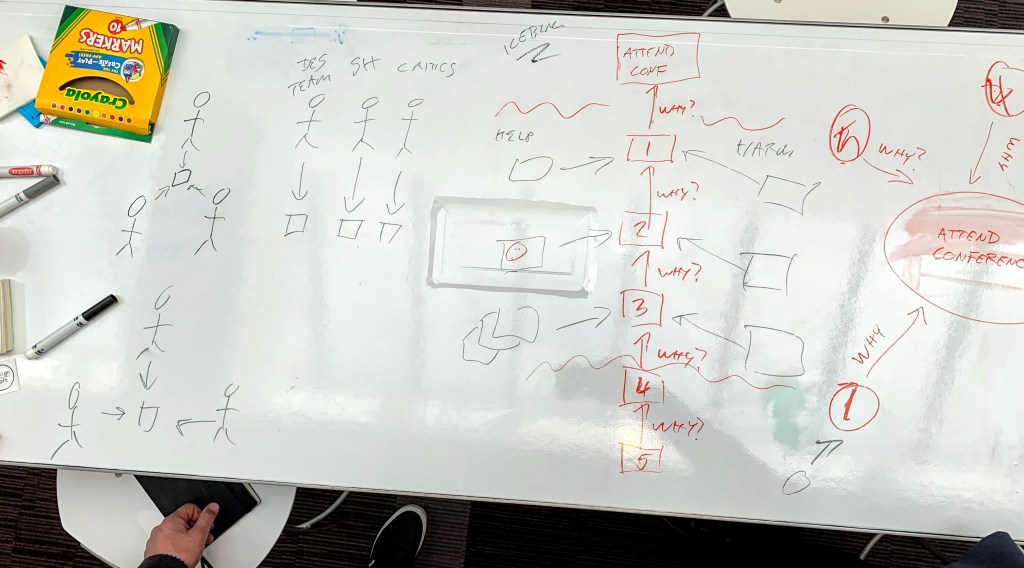
A Day in the Life is a simple activity that seeks to catalogue the activities and contexts that your audience might engage in within a typical day to help shed light on the life circumstance and situations that could influence your product.

Begin at the Beginning

Let’s illustrate this simple method with an example: education and training. When we design for education and training, the actual service might be a class, webinar, or workshop. However, the total experience of learning may involve much more than that.

Rather than assume your service starts at the moment people sit down (in person, at the computer etc..) go back to the start of their day.

Start with imagining a ‘user’ — be as specific as possible about this person with as much detail as you can provide that reflects a ‘typical’ or a particular (e.g., specific segment) service or product user.

Then ask: What happened the moment they woke up?

This question tells you a lot and invites other questions: Did they get a good sleep? What were the conditions that they slept in? What time did they wake up?

This matters because one of the assumptions behind your education and training service might be that people are attentive, able to listen and process the material, participate when necessary, and able to codify what’s learned into their brain and apply that later to whatever problem is at hand.

If you want your service to be useful, it needs to fit the circumstances of your user. If your participants didn’t sleep well, had to get up early to commute, are living in a state of fear or violence, or have no good place to sleep at all they are already facing some challenges before they start.

Continue the Story

The first question will lead you to a series of other questions that continue with: What happened next?

You continue this story as you progress through the day in the life of your participant up to and through the actual service event you’re involved in. After that? Continue the story through to the end of the day.

Along the way you will identify such things about your audience like:

  • Demographics
  • Social life and network
  • ‘Touchpoints’ with other systems and services
  • Preferences
  • Social and psychological circumstances.

These are imaginations of sorts based on what you think is a ‘typical user’. To increase the likelihood of reflecting the experience of a diversity of users it is best to conduct some background research to ensure you are reflecting the true characteristics of your audience. This method also works for identifying qualities about non-typical or non-users to help you understand why they might not use or desire your product or service.

Putting it into Practice

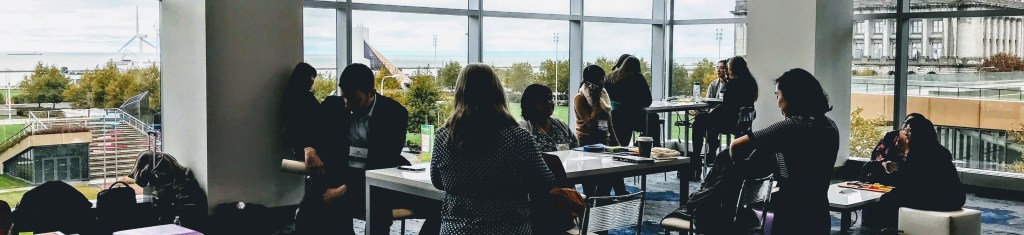
This exercise is best done as a group and can be conducted within 2 hours comfortably with more time for more granular exploration. It is meant to be participatory, engaging and allow for some creative reflection.

Materials include:

  • Whiteboards or large flipchart paper
  • Markers
  • Sticky notes
  • Stickers (optional)

Over the course of a morning or afternoon, you can bring your team into a place of greater understanding of your users — current and potential — and help set the context for your service. If we consider our example of education and training, the lessons we learn from this might be that we break programming into different chunks, change the distribution model, provide additional or alternative means to access content, or perhaps follow-up with reminders and tips to aid memory or application.

This simple, engaging and powerful method will help you tell better stories about your product or service and those of the people you wish to influence and serve.

A Day in the Life is one of the methods that we teach as part of the Design Loft Experience pop-up held as part of the annual American Evaluation Association annual conference each year. It’s one of many methods we use to help our clients understand the bigger picture and gain new insights into their work. Want help implementing it? Contact us — this is what we do.

Written by cplysy · Categorized: cameronnorman

  • « Go to Previous Page
  • Go to page 1
  • Interim pages omitted …
  • Go to page 248
  • Go to page 249
  • Go to page 250
  • Go to page 251
  • Go to page 252
  • Interim pages omitted …
  • Go to page 310
  • Go to Next Page »

Footer

Follow our Work

The easiest way to stay connected to our work is to join our newsletter. You’ll get updates on projects, learn about new events, and hear stories from those evaluators whom the field continues to actively exclude and erase.

Get Updates

Want to take further action or join a pod? Click here to learn more.

Copyright © 2026 · The May 13 Group · Log in

en English
af Afrikaanssq Shqipam አማርኛar العربيةhy Հայերենaz Azərbaycan dilieu Euskarabe Беларуская моваbn বাংলাbs Bosanskibg Българскиca Catalàceb Cebuanony Chichewazh-CN 简体中文zh-TW 繁體中文co Corsuhr Hrvatskics Čeština‎da Dansknl Nederlandsen Englisheo Esperantoet Eestitl Filipinofi Suomifr Françaisfy Fryskgl Galegoka ქართულიde Deutschel Ελληνικάgu ગુજરાતીht Kreyol ayisyenha Harshen Hausahaw Ōlelo Hawaiʻiiw עִבְרִיתhi हिन्दीhmn Hmonghu Magyaris Íslenskaig Igboid Bahasa Indonesiaga Gaeilgeit Italianoja 日本語jw Basa Jawakn ಕನ್ನಡkk Қазақ тіліkm ភាសាខ្មែរko 한국어ku كوردی‎ky Кыргызчаlo ພາສາລາວla Latinlv Latviešu valodalt Lietuvių kalbalb Lëtzebuergeschmk Македонски јазикmg Malagasyms Bahasa Melayuml മലയാളംmt Maltesemi Te Reo Māorimr मराठीmn Монголmy ဗမာစာne नेपालीno Norsk bokmålps پښتوfa فارسیpl Polskipt Portuguêspa ਪੰਜਾਬੀro Românăru Русскийsm Samoangd Gàidhligsr Српски језикst Sesothosn Shonasd سنڌيsi සිංහලsk Slovenčinasl Slovenščinaso Afsoomaalies Españolsu Basa Sundasw Kiswahilisv Svenskatg Тоҷикӣta தமிழ்te తెలుగుth ไทยtr Türkçeuk Українськаur اردوuz O‘zbekchavi Tiếng Việtcy Cymraegxh isiXhosayi יידישyo Yorùbázu Zulu