• Skip to main content
  • Skip to footer
  • Home

The May 13 Group

the next day for evaluation

  • Get Involved
  • Our Work
  • About Us
You are here: Home / Archives for allblogs

allblogs

May 25 2020

El cambio de estructural para #Eval4Action: barreras que hacen que nuestro deseo no sea realidad

En Gran #TwitterChat sobre #Eval4Action comenzaba con la pregunta: ¿Por qué la evaluación es un acelerador para lograr los ODS, incluso durante la crisis sanitaria y socioeconómica de COVID-19? Mis respuesta fueron:

La evaluación contribuye a la rendición de cuentas, el aprendizaje y la toma de decisiones basadas en la evidencia en apoyo de (a) la Agenda 2030 y los ODS y (b) de la respuesta #COVID19 a corto, mediano y largo plazo

La #evaluación puede fortalecer aprendizaje y rendición de cuentas para mejorar la relevancia, la coherencia, la eficacia, la eficiencia, la sostenibilidad y el impacto de los procesos hacia los #SDG, incluso durante la crisis sanitaria y socioeconómica #COVID19

Sin embargo, a esta altura del partido, algun@s presentimos ya que solo porque sepamos y comuniquemos (a) lo que tenemos que hacer, e incluso (b) cómo y cuándo se tienen que hacer los cambios, no significa que vayan a hacerse realidad las reformas estructurales para que la evaluación cumpla su teórica función social. Las barreras estructurales están ahí y no son fáciles de sortear.

Aquí algunas de las barreras que hemos ido anotando en este blog, que pueden también aplicarse a las barreras estructurales que no permiten que la función de evaluación cumpla su función social:  barreras (1) para el impacto colectivo, (2) para la colaboración, (3) para la coordinación, (4) para el aprendizaje institucional y la gestión del conocimiento:

(1) Barreras para el impacto colectivo en el sector de ayuda al desarrollo

Hay cuatro barreras importantes e interrelacionadas para el impacto colectivo:

1.“Biznificación” del desarrollo social: La primera barrera es la tendencia del sector del desarrollo de búsqueda de comparaciones en el sector privado, en las dinámicas de los sectores privado y no lucrativo. La principal diferencia es la falta de fuerzas reales competitivas en el sector del desarrollo.

2.Incentivos de medición desalineados: El segundo factor que trabaja en contra de la colaboración es un esfuerzo excesivo en la causalidad y la atribución. Una medida que los líderes de la organización intentan demostrar su responsabilidad y mostrar a sus juntas directivas sus logros, han creado las consecuencias negativas no deseadas.
Esas consecuencias incluyen demasiado enfoque en obtener crédito o en construir una “marca”. Esto ll
eva a un esfuerzo excesivo en la institución individual como la unidad de análisis que en realidad socava la fuerza colectiva.

3.Dinámica de poder: La dinámica de poder entre los financiadores y sus colaboradores más importantes, así como los intermediarios y los beneficiarios, es otro impedimento para una colaboración exitosa. Rodeados de becarios y aspirantes a obtener financiación, las fundaciones viven en una burbuja de positividad.
Esta dinámica se traduce en la forma en la que los usuarios se reparten los problemas compartiendo problemas con sus financiadores. En el peor de los casos, los beneficiarios retienen información crucial de sus financiadores por temor. Los financiadores, a su vez, están protegidos y desconectados, no solo de los beneficiarios, sino también de las personas que deben ser más importantes.

4.Ego: El cuarto factor que conspira para inhibir la colaboración organizacional es el ego pasado de moda:  “Quiero que colabores conmigo, pero no quiero colaborar contigo”. Escuchamos interminables charlas de liderazgo, apalancamiento,  e “influencia sobre otros actores”. Pero  a veces lo que estamos buscando en realidad un buen número de seguidores.
Y aquí está la cuestión: una buena colaboración entre los donantes y  los beneficiarios, del tipo que supera estas cuatro barreras, puede suceder. 
El trabajo colaborativo lleva tiempo y requiere paciencia. En última instancia, superar las barreras para la colaboración tiene que ver con el liderazgo, una concepción de liderazgo que es menos comando y control, más consejo y facilitación.


(2) Algunas barreras para la colaboración: Una de las habilidades de liderazgo clave que se necesitan hoy es la colaboración. Esto no minimiza la importancia del coraje, el optimismo, la motivación, la comunicación, la innovación o el espíritu emprendedor. Pero en el entorno actual, los líderes más exitosos serán aquellos que puedan superar los viejos límites e inspirar a otros a imaginar nuevas formas de colaborar. Esos límites son tanto físicos como mentales, desde la imaginación de nuevas asociaciones, productos y procesos hasta la re-estructuración del flujo de trabajo, el espacio de trabajo, los equipos y los roles.

Para sobresalir en la colaboración, debemos superar algunos obstáculos tradicionales. Los obstáculos de colaboración  pueden existir en cualquier lugar de trabajo, especialmente aquellos con largas historias y tradiciones. Identificar barreras nos ayuda a derribarlas. Aquí están las cuatro barreras para la colaboración:

Distancia: Cuanto mayor es la distancia entre colegas, mayor es la posibilidad de comunicación defectuosa.

Dominio: No colaboramos porque existe una jerarquía real o percibida en el lugar de trabajo. Con los años, el liderazgo ha desarrollado una cultura que parece valorar a un grupo sobre otro.

Disonancia: Se refiere a prioridades en conflicto. Sucede cuando los jefes le dicen a las personas que quieren que todos colaboren, pero, al mismo tiempo, asignan tareas, metas y objetivos a varios individuos y equipos, agendas que varían mucho y pueden variar desde complementarias hasta conflictivas. Las órdenes disonantes desde la gestión son una garantía de que nuestro equipo colapsará.

Incomodidad: Si no te conozco, profesional o personalmente, si no tengo ni idea de cómo haces lo que haces, es menos probable que colabore cómodamente contigo. Puedo ser intimidado por su experiencia o desconocer lo que se necesita para hacer su trabajo. Cuanto más sepamos sobre las habilidades necesarias para todos los aspectos del nuestro sector, mejores colaboradores seremos. L@s gestor@s, se comprometen con una capacitación de calidad. No esperemos que alguien nos invite o nos asigne para  aprender. Todos, comprometemenos a conocer a nuestr@s colegas como personas, no solo como coproductores.


(3) ¿Por qué no nos coordinamos? y  Algunas barreras para la coordinación

Aunque parece intuitiva, “en teoría”, la bondad de la coordinación para contribuir a la eficiencia y eficacia, “en la práctica” normalmente las barreras existentes para la coordinación de los actores de desarrollo son subestimadas. A pesar de la retórica de los grandes manifiestos o agendas, en la práctica, los  impulsores del cambio existentes para la coordinación efectiva de actores implicados no suelen ser suficientes (o suficientemente tenidos en cuenta) para superar estas barreras.

Algunos de estos  impulsores del cambio son: (1) Liderazgo efectivo, (2) Existencia de marcos para el trabajo y capacidades conjuntas, (3) Fortalecimiento de la (a) confianza y continuidad en la comunicación entre los miembros de los espacios de coordinación, (b) seguimiento, evaluación y aprendizaje/gestión del conocimiento de los espacios de coordinación, (c) sistema de incentivos y sanciones a los sujetos de coordinación y (d) transversalización de género en espacios de coordinación.

Una teoría del cambio para hacer que estos impulsores se pongan en juego es crear o fortalecer: (1) En los mandos o gestores senior responsables de la coordinación, por este orden: (a) comprensión, (b) conciencia, (c) apropiación, (d) compromiso y (e) liderazgo para la coordinación, (2) Capacidades / marcos de coordinación conjuntos, (3) Capacidad de autoevaluación de los procesos de coordinación, incluyendo la autoevaluación del adecuado despliegue de incentivos para la coordinación.

La existencia de un marco de responsabilidad mutua (mutual accountability) es un factor clave para que estos incentivos o conductores del cambio para la coordinación funcionen en la correcta dirección.

A continuación enumeramos otras barreras para esa coordinación, y no son pocas:

  • Falta de comprensión colectiva de potenciales objetivos comunes, roles y responsabilidades de los implicados
  • Competición por recursos financieros muy escasos
  • Falta de liderazgo centralizado o descentralizado
  • Demasiados actores
  • Diferentes expectativas (compartir o recibir información, conseguir recursos, controlar…)
  • Falta de valoración en la práctica de la función de coordinación (especialmente por los gestores senior)
  • Falta de valoración de los recursos técnicos, financieros y humanos necesarios (especialmente por los gestores senior): recursos inadecuados
  • Falta de inclusión explícita de la coordinación en los Términos de Referencia del personal
  • Falta de acceso a la información o de gestión de la información/conocimiento
  • Miedo a perder la libertad
  • Falta de confianza
  • Falta de habilidades, conocimiento y experiencia de coordinación
  • Rotación de personal
  • Falta de compromiso con enfoques colaborativos
  • Comportamiento oportunista y preferencia de enfoques bilaterales
  • No inversiones específicas en reforzar la relación de los actores
  • Orientación al corto plazo
  • Pobre capacidad de gestión de relaciones
  • Falta de incentivos o de sanciones
  • Centrado en compartir información y nunca en planificación y ejecución conjunta
  • Todos reconocemos la necesidad de coordinación pero ninguno queremos ser coordinados
  • Falta de seguimiento de los insumos, productos y resultados de los procesos de coordinación
  • Falta de un espacio de mutua rendición de cuentas de los actores implicados

Bueno, pues esto es lo que hace que aunque bonita es, la coordinación es tan quimera…


(4) Barreras culturales para el Aprendizaje Gubernamental e Institucional

En ¿Por qué nuestros gobiernos no aprenden?, todavía a la estela de Nick Milton, observamos que los gobiernos cometen errores, pero ¿por qué no aprenden de estos errores? ¿Por qué seguir repitiendo los mismos errores? Mirando esto en términos de Aprendizaje Organizacional, y comparando con las dimensiones de una Cultura de Aprendizaje, existen varias barreras culturales para el Aprendizaje Gubernamental . Estos son los siguientes:

1.Corto plazo. Este es quizás el mayor problema: que la mayoría o todos los incentivos gubernamentales e institucionales son a corto plazo: La próxima elección, la próxima reunión parlamentaria, el próximo ciclo de noticias. Una semana es mucho tiempo en política, entonces, ¿a quién le molesta pensar con 5 años por delante? Todos los incentivos están a favor de ser decisivos y no deliberativos, de actuar y de ser vistos, y luego seguir adelante. Los incentivos a largo plazo para el aprendizaje y la deliberación simplemente no existen, como lo demuestra la falta de responsabilidad y rendicion de cuentas.

2.Una cultura  del “conocedor/a” en lugar de una cultura “aprendiz/a”. Existen vacíos masivos de habilidades y conocimientos en el gobierno y en las instituciones y, sin embargo,no parece haber un deseo ardiente de llenar estos vacíos. Los tomadores de decisiones parecen confiar en lo que saben que saben, incluso cuando ese conocimiento está desconectado culturalmente y tiene prejuicios intelectuales. Cuando se identifican las lagunas de conocimiento, estas parecen tardar en cubrirse.

3.Falta de honestidad y “decir la verdad al poder”. La naturaleza poderosa, decisiva y ambiciosa de los ministros o dirigentes hace que sea difícil decir “esto nunca funcionará”. Es difícil decirle a un político poderoso lo que no quieren escuchar, o por qué su proyecto favorito está condenado al fracaso.

4.Una falta de desafío a “la verdad o saber aceptados”. Sin este desafío, el problema de el Pensamiento de Grupo nunca desaparece. ¿Dónde estaban los grupos focales, los pilotos, los “defensores de los demonios? ¿Dónde estaba la voluntad de preguntar” nos estamos perdiendo algo”? ¿Nuestras suposiciones resisten el desafío? Sin desafío y discusión, los errores se perpetúan.
 

Written by cplysy · Categorized: TripleAD

May 25 2020

We Sold (Nearly) Everything to Travel the World with Our 2 Kids. Here’s What Happened Next.

I felt like I had to choose: Be a world-traveling data visualization speaker. Or be a mother.

In spring 2018, we started brainstorming about a lifestyle change.

My speaking opportunities were taking me all over the world—a dream!

But, meanwhile, I had a cute kid at home. And another baby on the way. I didn’t want to miss bath time or bedtime stories.

If only my husband and kids could come along on my trips, I sighed.

Sure, my husband had vacation time. But I traveled almost every single week. Sometimes I’d city-hop, speaking in two, three, or four cities consecutively before heading back home. I wanted to be with my family all the time.

Should I quit my job entirely? We considered it.

Should my husband quit his job entirely? We considered it.

We did the spreadsheet math a dozen times. My husband’s job came with benefits, a pension, and a top secret security clearance. Should he really give up his career… for mine? Would he regret it? Would he resent me? These were months-long discussions.

In the end, my job was more than a job. And his wasn’t.

Realizing We Could Live Anywhere

It took another year of planning until my husband resigned.

Why so long? Freedom can freeze you. With his job out of the picture, we realized we could live anywhere.

We considered staying put in our suburb of Washington, D.C. But after 30 years there, we were both ready for a change.

We considered moving back into our two-bedroom condo in Charlottesville, Virginia. We bought the condo as college students in 2007, and we had rented it out since then, paying extra until it was paid off entirely. It was tempting to move into our paid-off condo, be able to pay the rest of our bills simply off my YouTube money, and just sit around and enjoy life. We entertained this idea for months. In the end, we wanted a new adventure, and decided to sell our condo entirely.

There was also the key issue of my speaking schedule. It didn’t make sense to have a home base if I’d be in a new city every week.

I’ve practically lived out of suitcases for six years, and I’ve loved it. Some people need roots. Others need wings.

We considered full-time RVing. Who doesn’t love the great outdoors?? I dreamed about the national parks we could visit with our kids. We’d taken four cross-country motorcycle trips together in our twenties and the open road was calling. The only obstacles to RVing: I need 24-hour internet. And, I didn’t have the luxury of time to drive around from city to city; I needed to fly between cities.

We wanted to live like RVers… but without the RV.

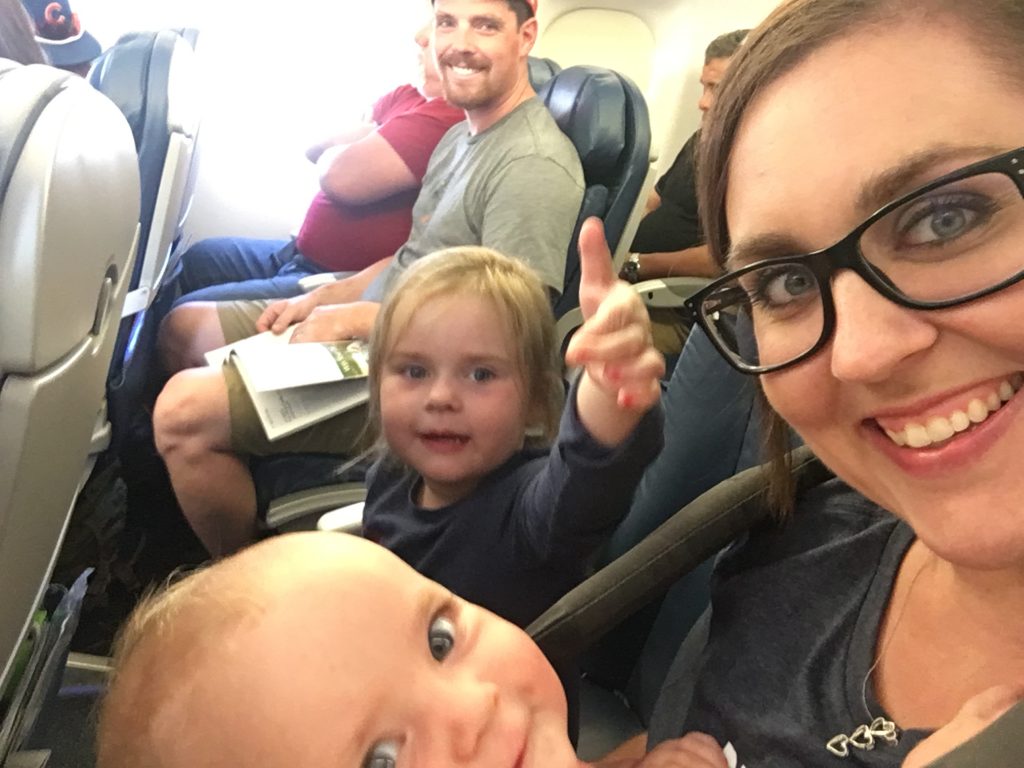
In January 2019, we decided to become full-time Airbnb-ers! The plan was to travel wherever my job took us for at least two years—until our older daughter started kindergarten. We had the perfect window. We decided to go for it.

Downsizing Our Belongings

In spring 2019, much to our surprise, our rental property and our primary residence both sold within weeks of listing them for sale.

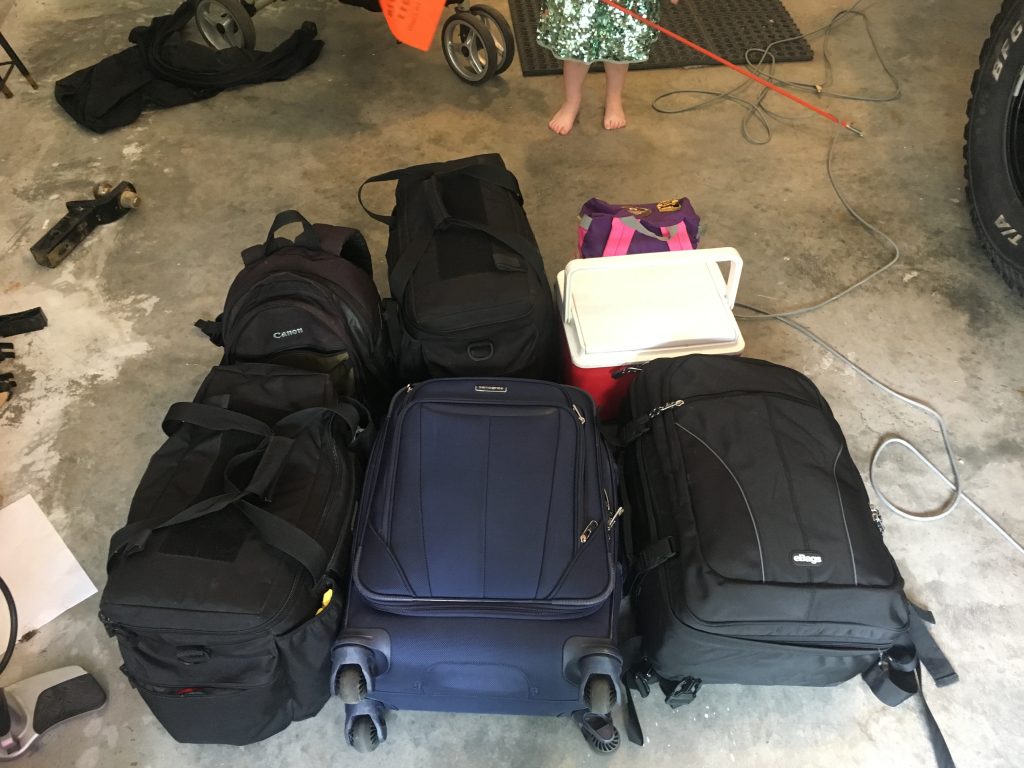
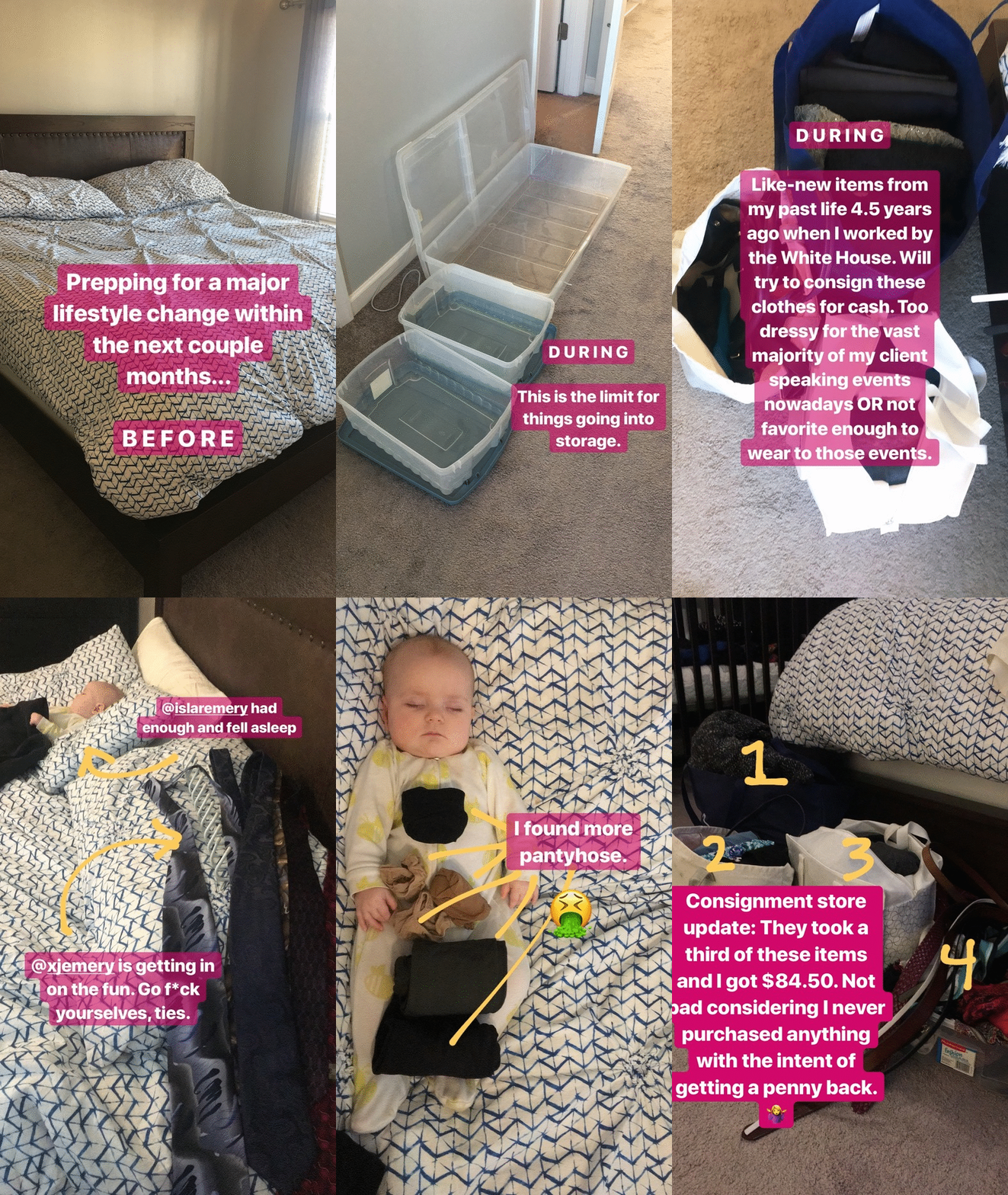
We sold, donated, and discarded as much as possible. We listed items on Facebook Marketplace and Craigslist. We held “indoor yard sales” in our garage on the weekends. We’d been downsizing for five years, since discovering minimalism, but still had so much remaining.

We thought about the handful of items that we’d be willing to pay to store for the 2+ years we’d be traveling, and pared our belongings down to a handful of favorites. My husband’s toolbox. Quilts our mothers had made for us.

We sold our motorcycles. Our bicycles. Nearly all of the kids’ toys (they’d developmentally grow out of those toys after two years of traveling). Couches. Rugs. Picture frames. Two TVs.

We sold my office furniture. My filing cabinets. That spare box of electronics wires that was sitting in the closet for years. I used the dining room table as my desk for two months.

We sold the mattress out from under us, and then slept on camping mats for a week.

I KonMari-d my clothes until my walk-in closet was down to carry-on luggage + a few bins of seasonal items for our storage unit.

I went from dozens of pairs of shoes to three: a pair of everyday tennis shoes, a pair of flip flops, and a pair of black leather shoes for speaking events. I’d been downsizing my closet for years, but there was still so much remaining.

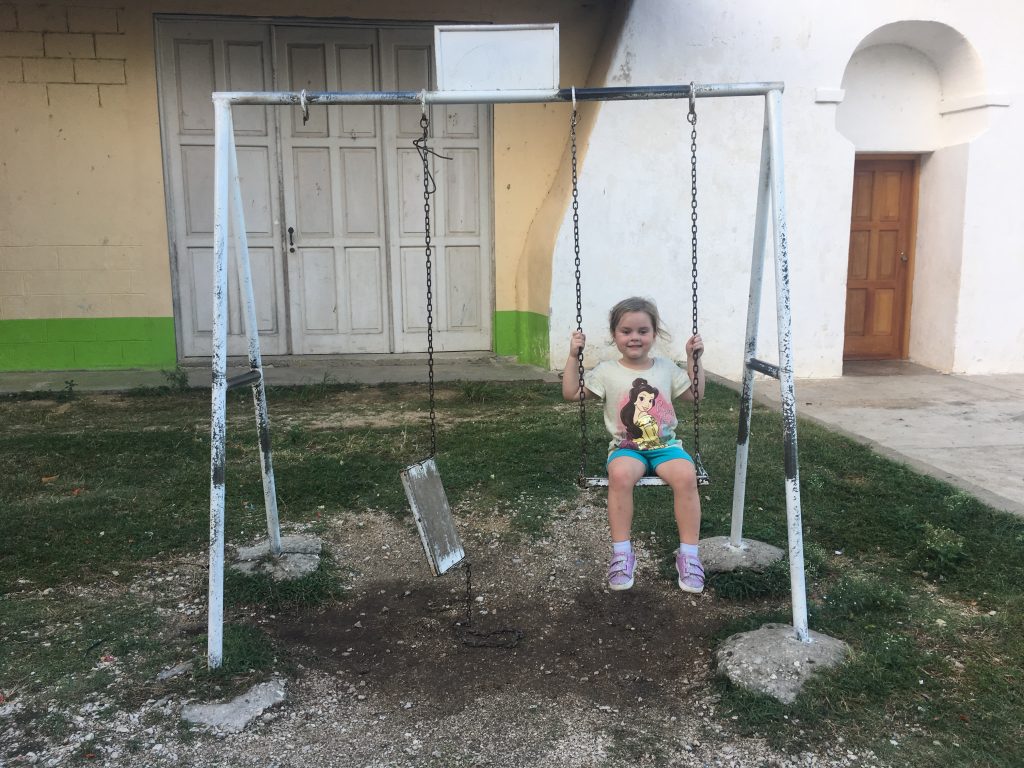
In April 2019, we waved farewell to Dakota’s preschool and said hello to “Daddy School,” aka #WorldSchooling,  which is the term for homeschooling that takes place in and around the world.

A person sitting at a table

Description automatically generated

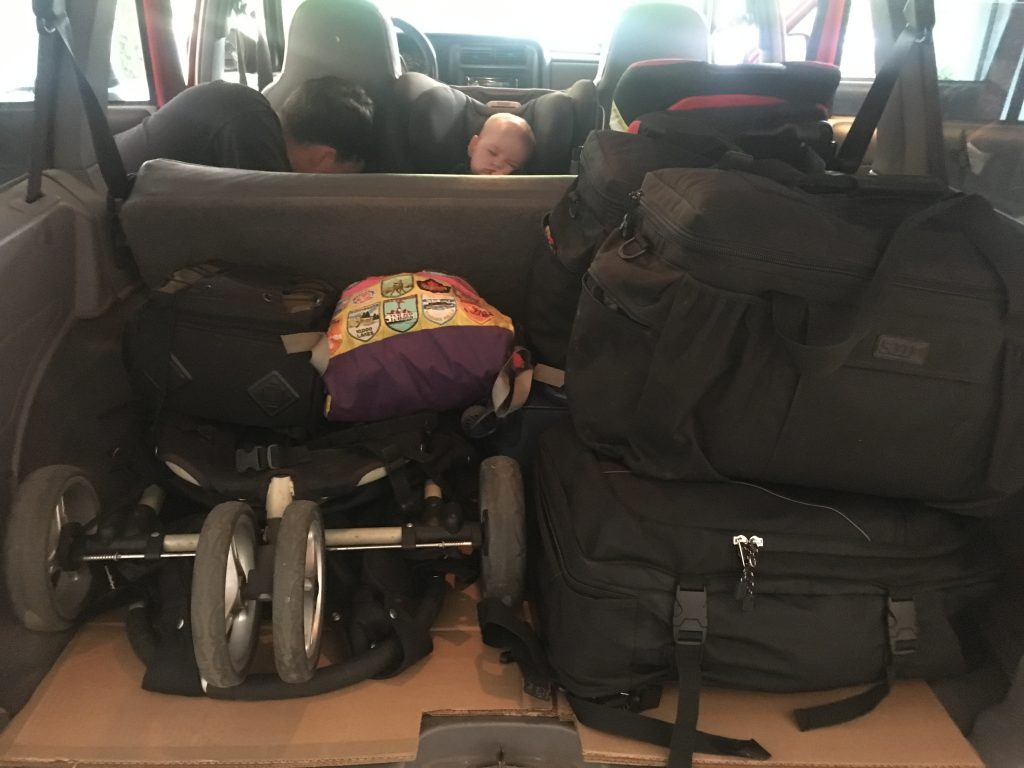
We practice-packed our Jeep to see whether our one-bag-and-one-backpack-each stuff would even fit…

… and we fit all our bags into our Jeep with space to spare. Phew!

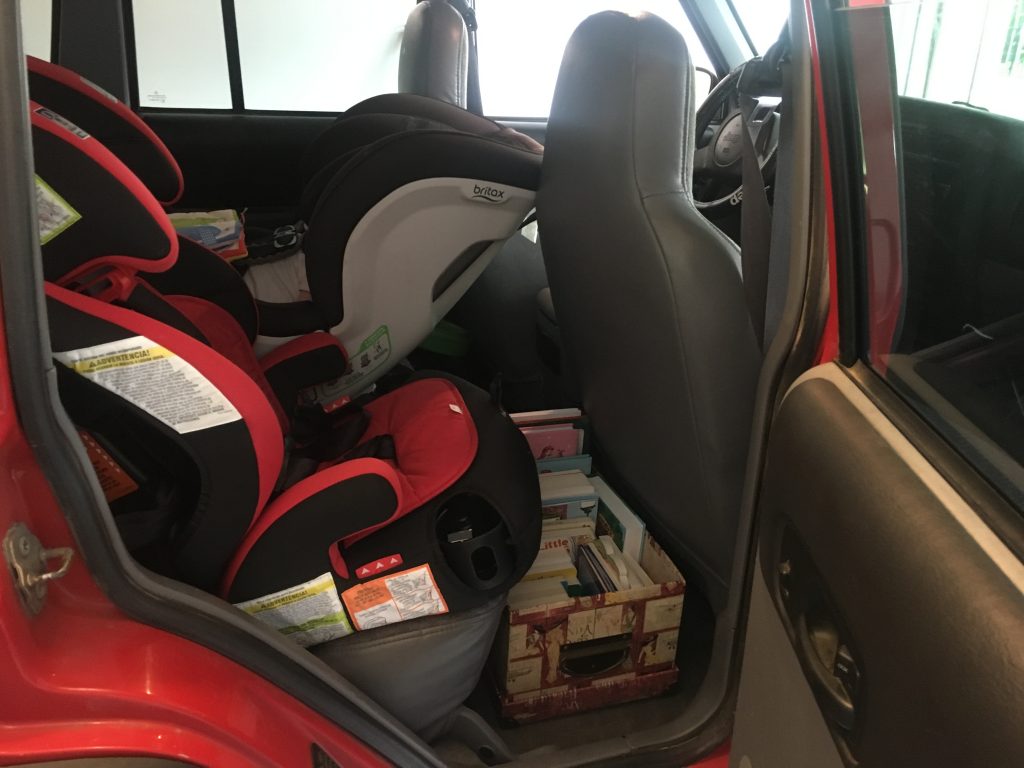
We even had space for a box of books…

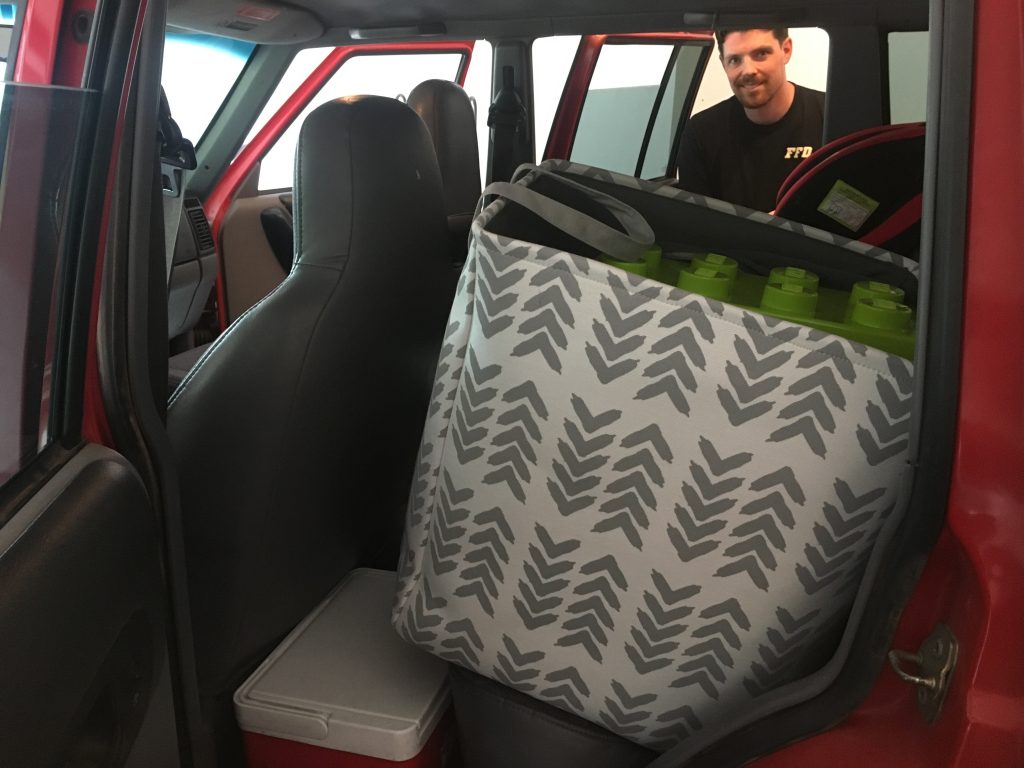
… and a bin of toys.

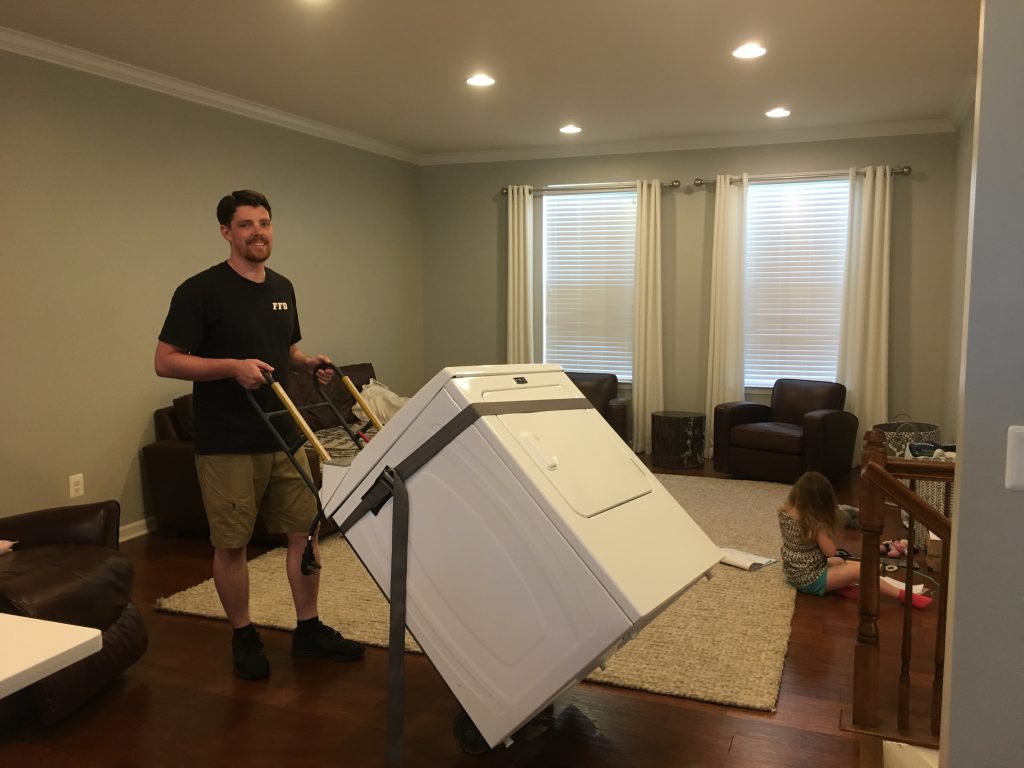
We survived carrying the world’s heaviest washer and dryer down three flights of stairs (with only one little knick in the drywall)… and into a trailer… and across town to their new owners.

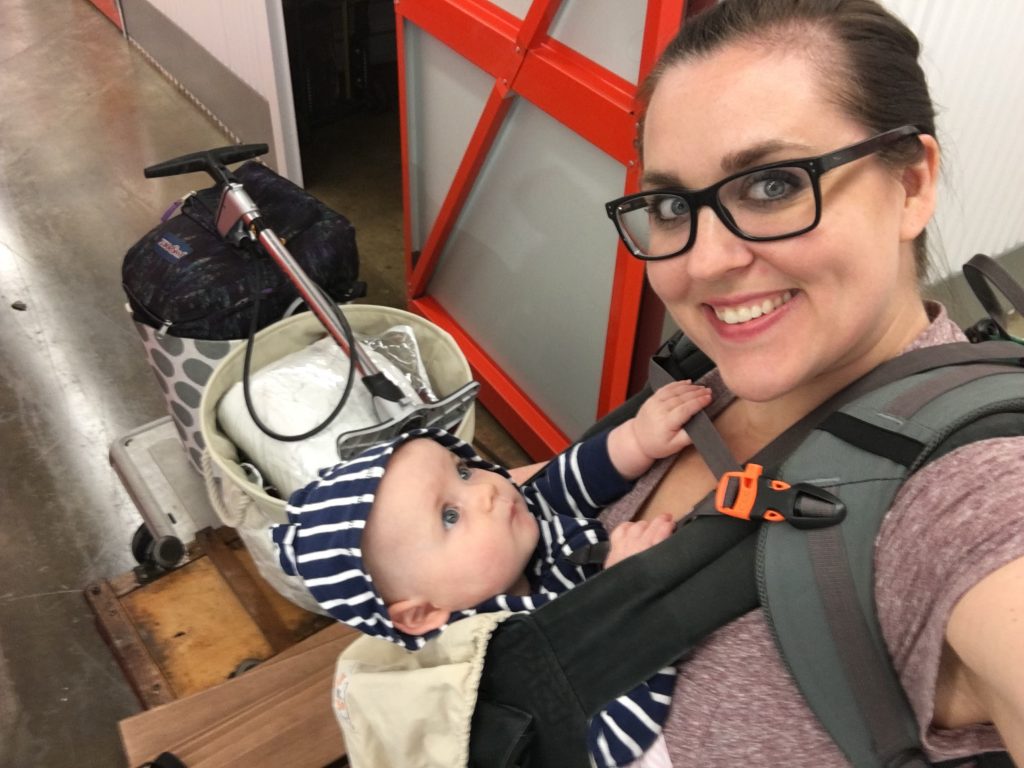
We pushed carts and carried stuff and carried backpacks and carried babies x 1 million to get our remaining stuff into a 10x10x6 storage unit.

Then we closed the door to our storage unit.

We waved goodbye to our home.

And we drove away for the last time.

May 2019: The Beginning of Full-Time Travel

It was time for our biggest adventure yet!

We’d always loved Florida since honeymooning there years earlier. And who doesn’t love Disney? Florida was the perfect place to start our trip.

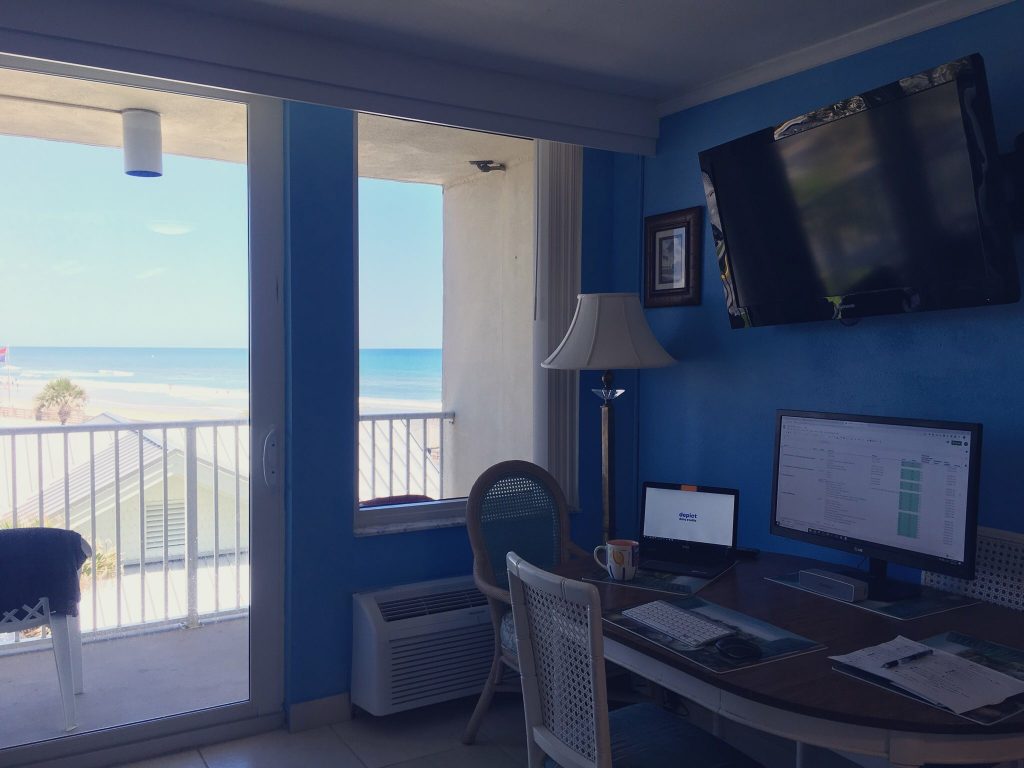
We spent our first five weeks in Daytona Beach, where I continued running Depict Data Studio from my “home” office at our Airbnb on the beach. I’d work during the day while my husband took the girls on field trips to nature preserves, museums, and libraries.

I took days off so we could visit Disney together.

We watched the minor league baseball team on $1 beer nights.

We toured the local chocolate factory more times than I can count because they always give you free samples at the end. 🙂

We watched a SpaceX launch from our balcony.

Our four-year-old learned to hold her breath underwater in the pool.

We buried ourselves in sand.

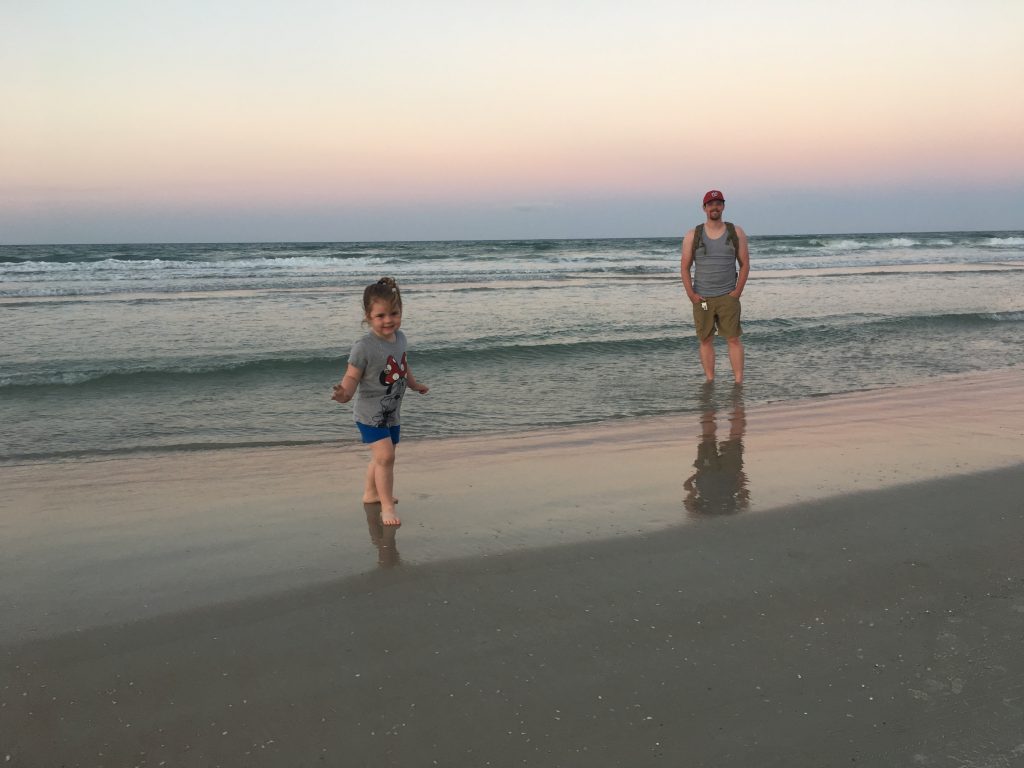
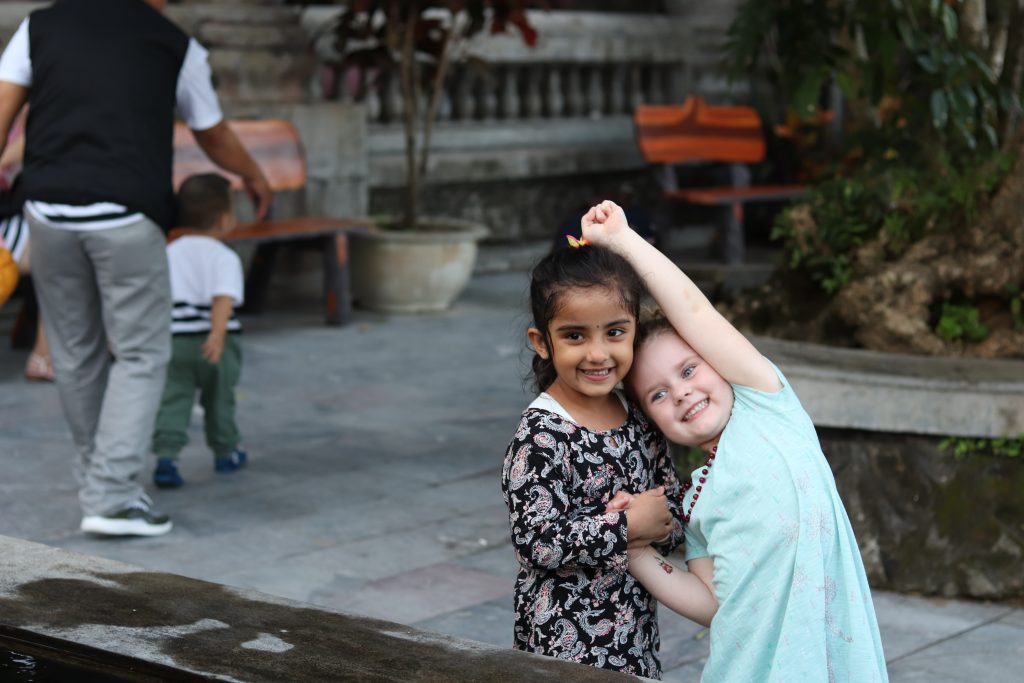
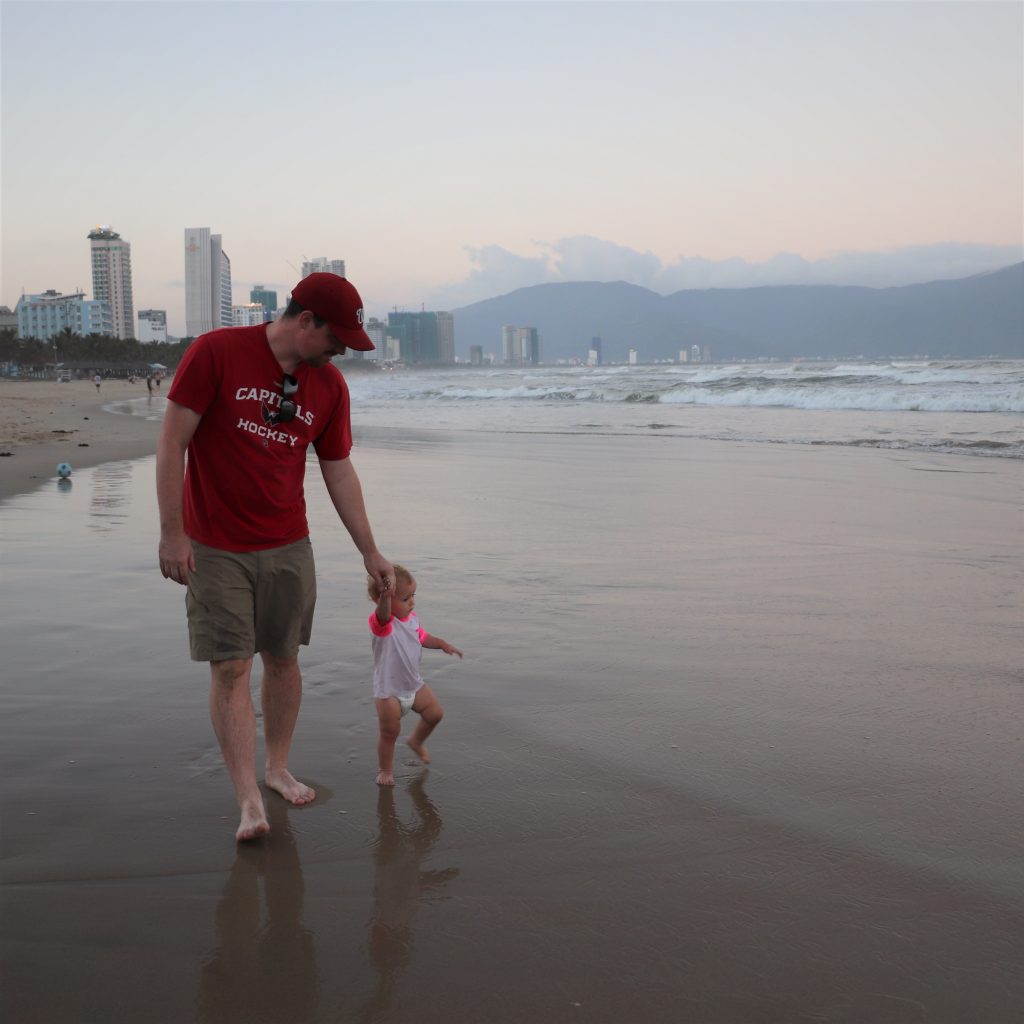
We danced along the beach every night.

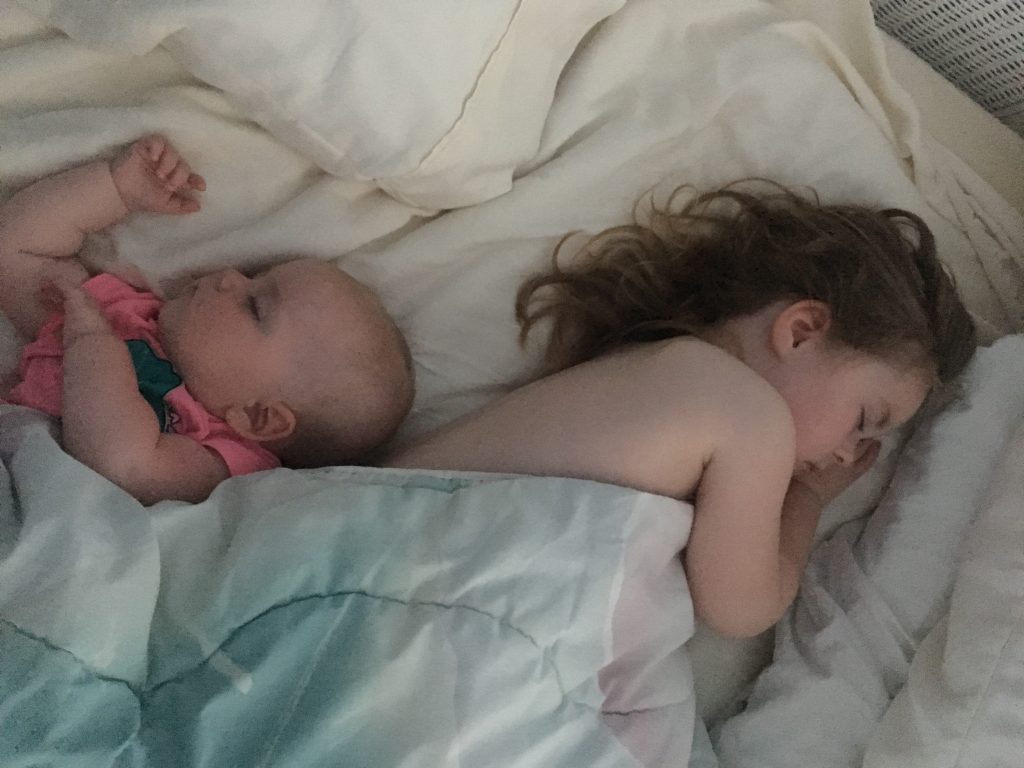
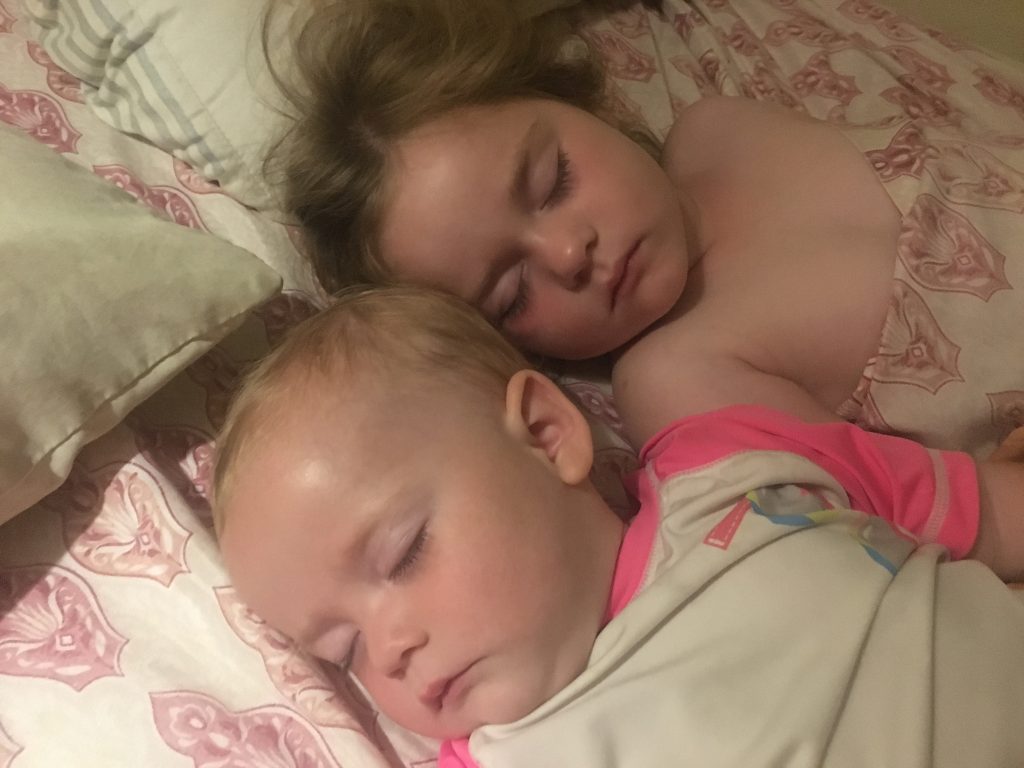
And I woke up next to my angels every morning.

We spent a week in Boise for a conference and a client training.

I flew to Indianapolis by myself for a quick 24-hour trip.

We spent two weeks watching the dolphins swim in the bay in St. Petersburg, Florida.

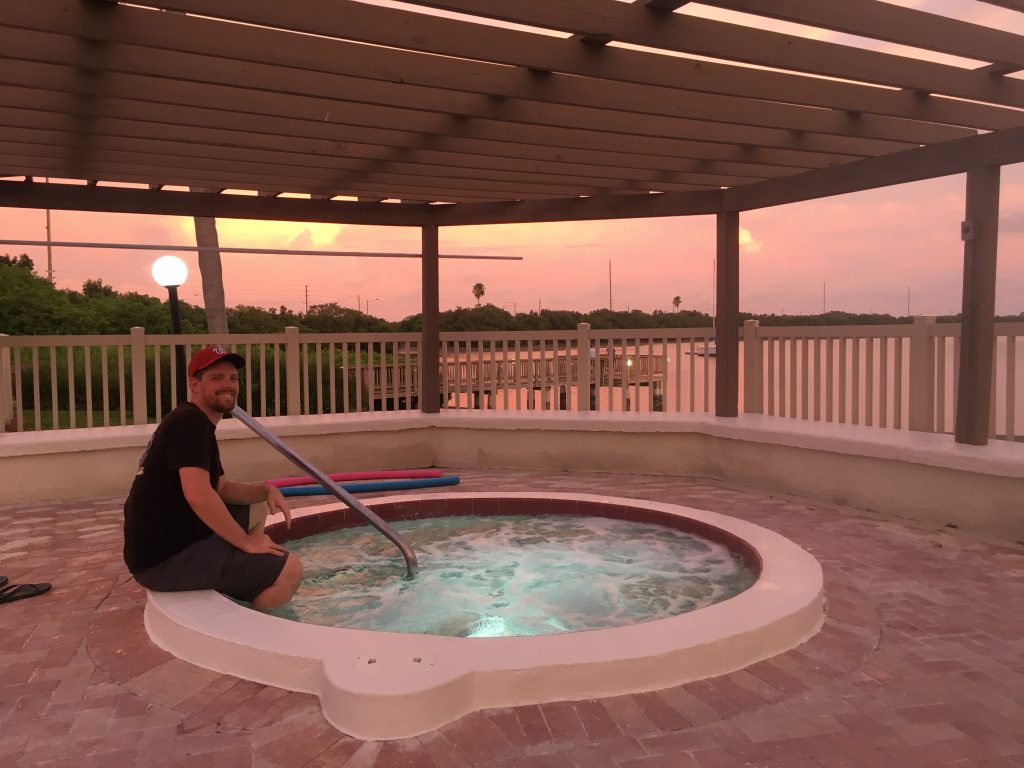
I finished building my Great Graphs: Design Principles course from the Airbnb during the day, and we relaxed in the hot tub at night.

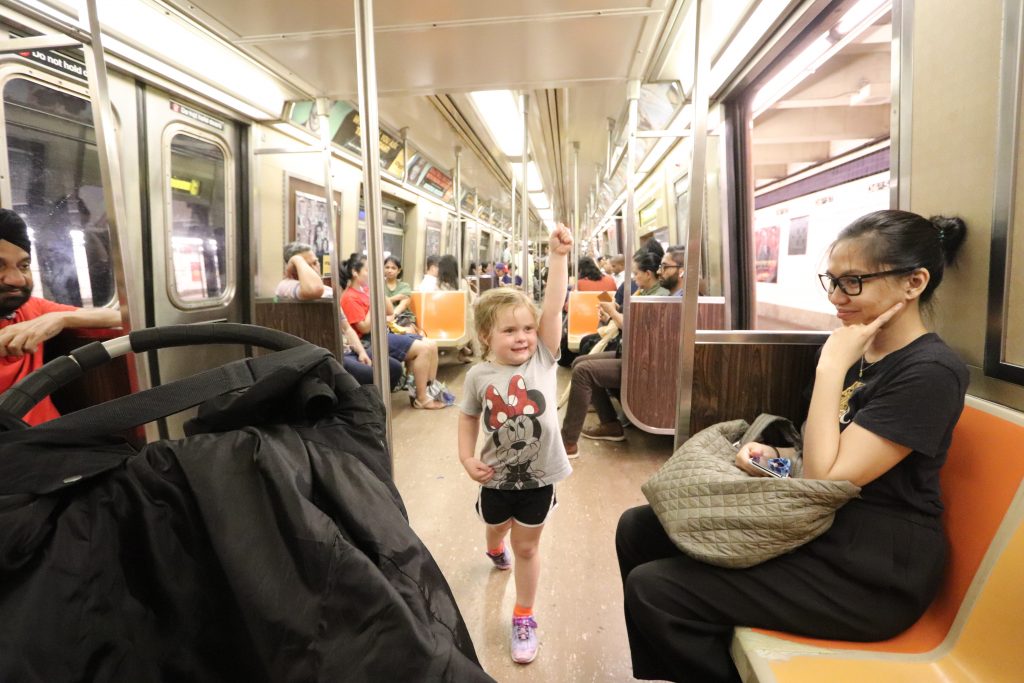
We spent a week in New York while I was there speaking; fell in love with “Lady Liberty;” and still mimic her pose today.

We drooled on our chin in Central Park.

We went back to the D.C. area for my job.

We spent three consecutive weeks in downtown Atlanta while I was there speaking—our fourth trip to Atlanta that year—and took field trips to the most amazing aquarium we’ve ever been to.

We flew to Guatemala to teach data visualization.

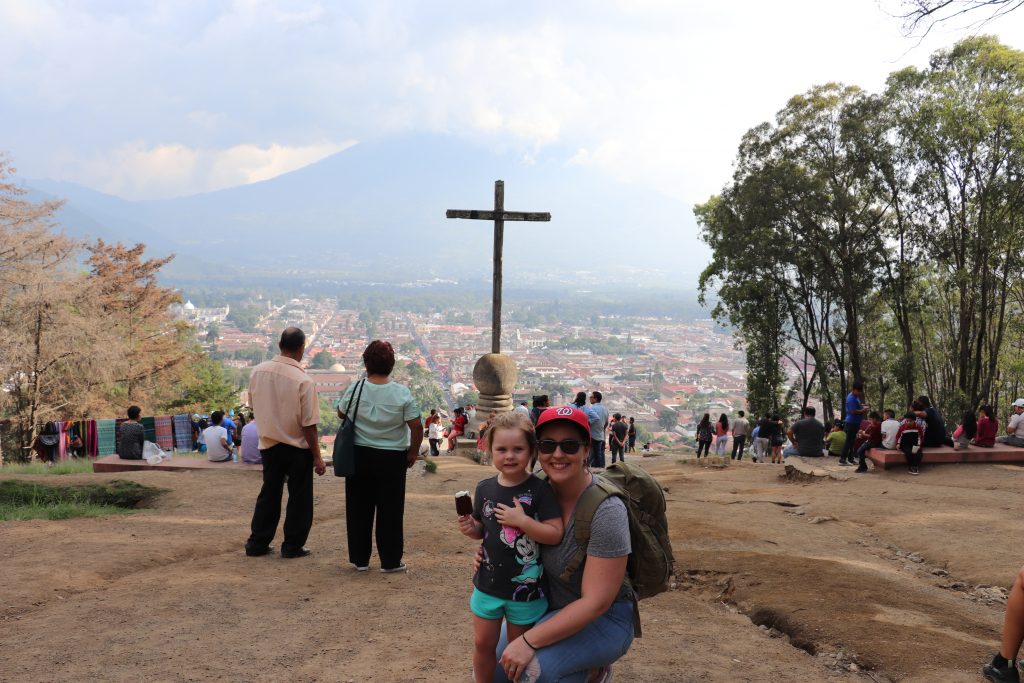
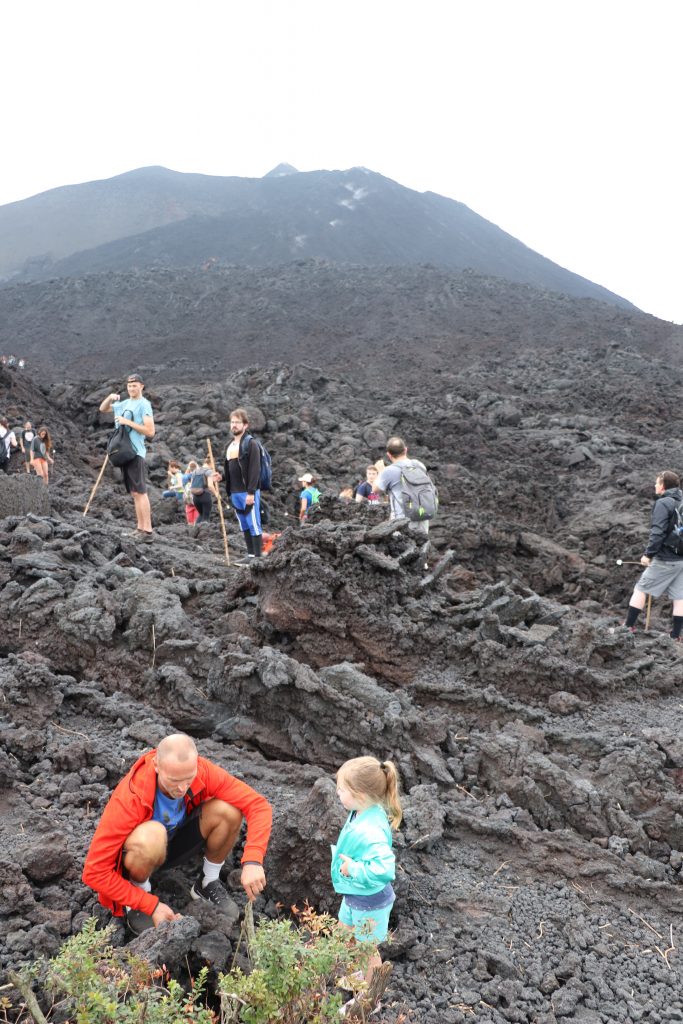
I took a day off to ride horses up the side of Volcan Pacaya, and we roasted marshmallows at the top with our new German friend.

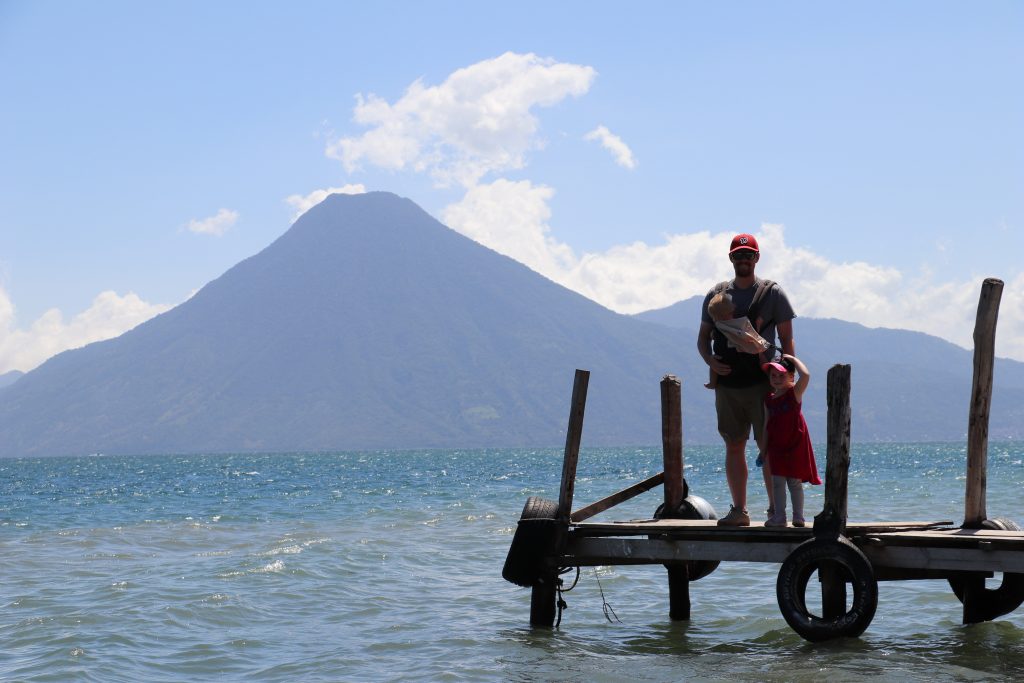
I took another day off to skip rocks in Panajachel.

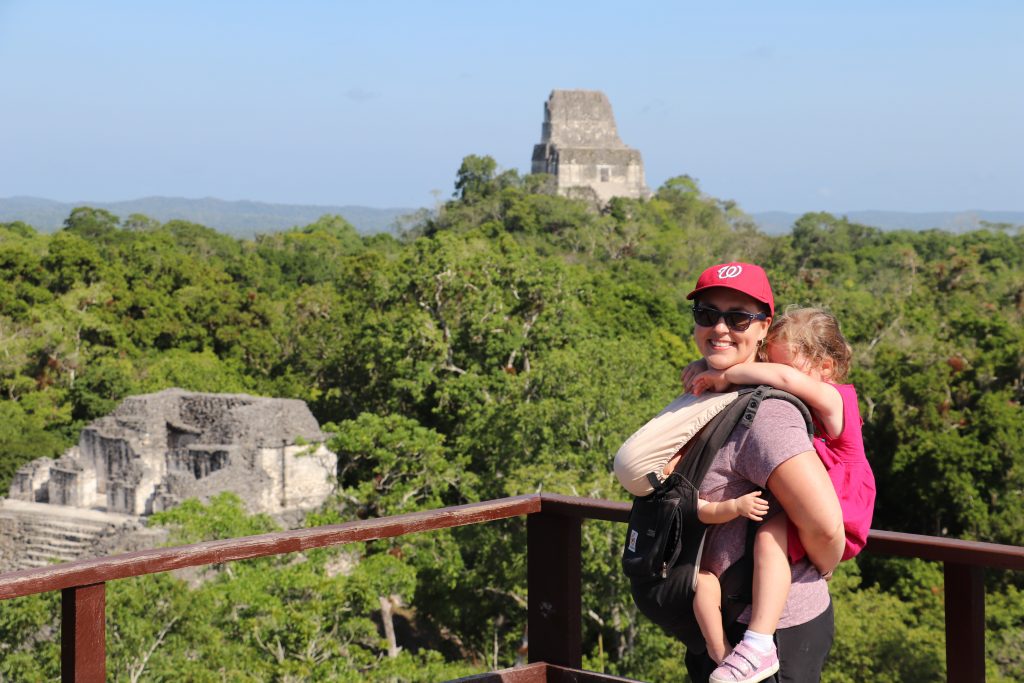
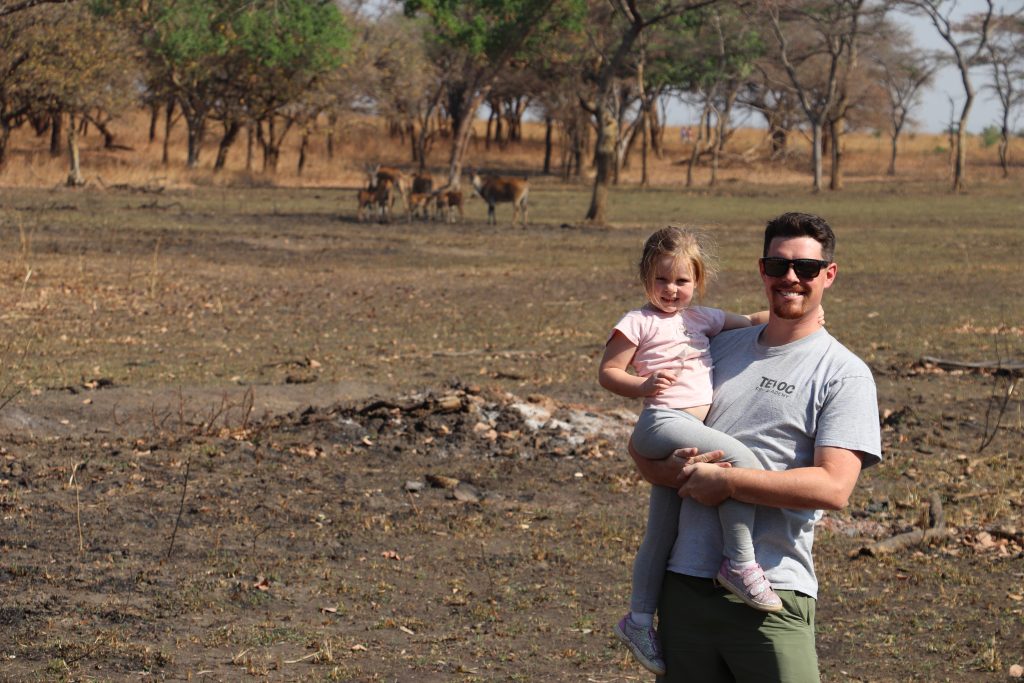
We carried the world’s heaviest children through Tikal because there were just too tired to walk another step.

Our children felt their privilege. A few hours later, we got food poisoning.

We flew back to Atlanta again.

We celebrated my husband’s birthday in Zambia while I was there teaching data visualization. And then he got food poisoning. On his birthday.

We let the Zambian kids touch our girls’ “yellow hair” when they asked, because they’d never felt that texture before.

We flew from Africa to Canada so I could speak with a few groups there. I had–you guessed it–food poisoning. I remember looking at my bloated-so-bad-it-hurts stomach and thinking: “Oh, this what the term distended means.”

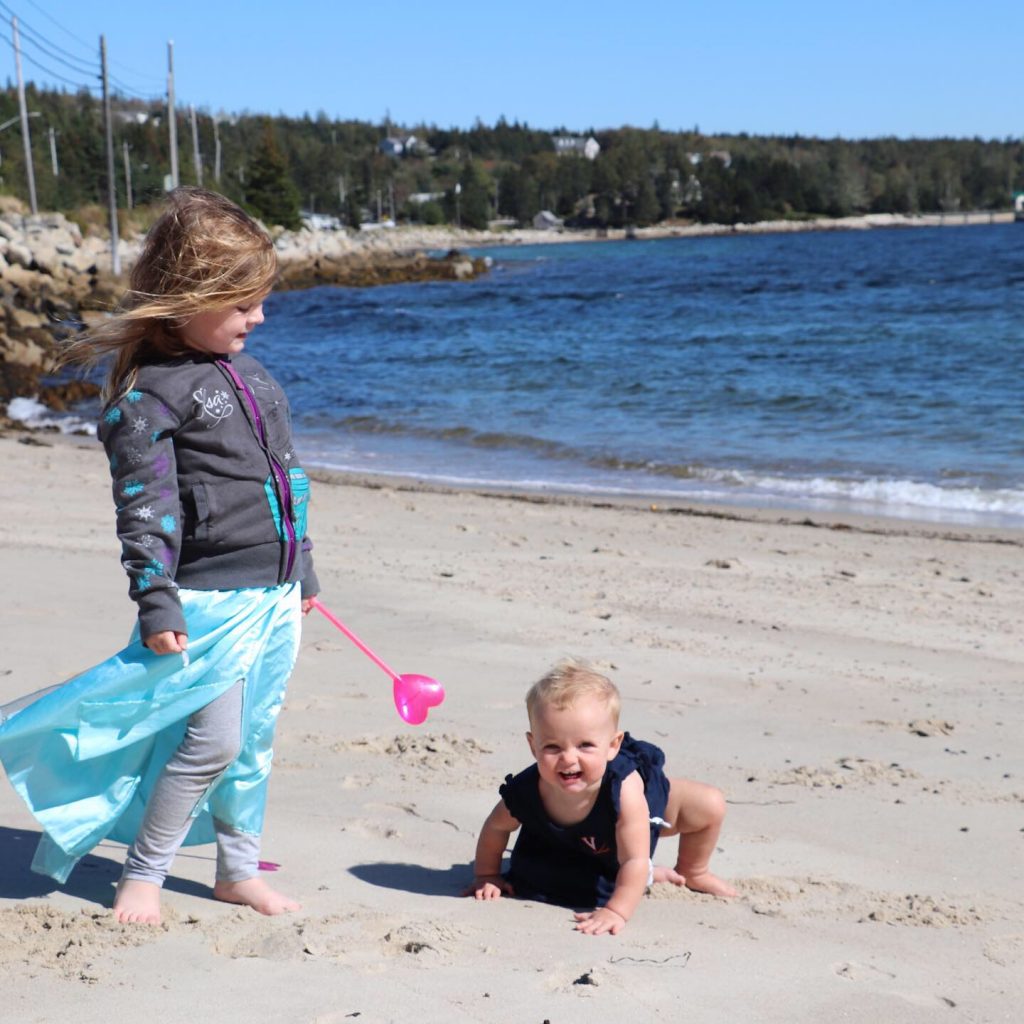
We celebrated our girls’ birthdays in Nova Scotia.

We rented a house along the beach, and roasted marshmallows in our fire pit every night.

My dad flew from D.C. to Nova Scotia to spend time with us for two weeks.

I designed and recorded my entire Report Redesign online course while looking out at the ocean.

I woke up next to my angels every morning.

We flew back to Washington, D.C. for work and to see family.

We went trick-or-treating in downtown Madison, Wisconsin while I was there speaking.

We explored childrens’ museums in Illinois while I was there keynoting a conference.

We drove to Chicago and I took a day off for exploring, and then we started our four-month-adventure in Southeast Asia. (!!!)

We packed the essentials. One carry-on suitcase and one backpack each, plus our stroller and baby carrier. We left everything else in our Jeep, which we parked at my dad’s house for the winter.

We enjoyed a stopover in Taipei.

We took the kids on tuk tuks on three different continents.

We watched Frozen 2–several times–at the movie theaters in Thailand.

We took them on field trips to museums and aquariums.

We ate breakfast, lunch, and dinner together every day from food carts.

We learned Thai dancing.

We went to carnivals.

Fish nibbled on our feet.

We celebrated my birthday and Thanksgiving.

I designed and recorded my entire Dashboard Design online course in Bangkok.

We assumed we’d take weekend trips to Thai beaches, but stayed in Bangkok for an entire month straight, because it was that magical.

We made friends in downtown Hanoi while I was there teaching data visualization.

View this post on Instagram

A post shared by Ann K. Emery 📊 (@annkemery) on Dec 7, 2019 at 2:23am PST

We washed our clothes and hung them on the balcony to dry.

Then it started pouring before we put the clothes away, so we re-washed and re-dried again and again and again.

I spent 30 minutes working up the nerve to cross the street to walk to work each morning because there really is that much traffic.

We spent a weekend cruising in Ha Long Bay.

View this post on Instagram

A post shared by Ann K. Emery 📊 (@annkemery) on Dec 9, 2019 at 3:38am PST

I took a day off work to explore the Golden Bridge outside of Da Nang.

View this post on Instagram

A post shared by Ann K. Emery 📊 (@annkemery) on Dec 14, 2019 at 6:39am PST

We made best friends in every city.

We spent our December evenings strolling along the beaches in Da Nang.

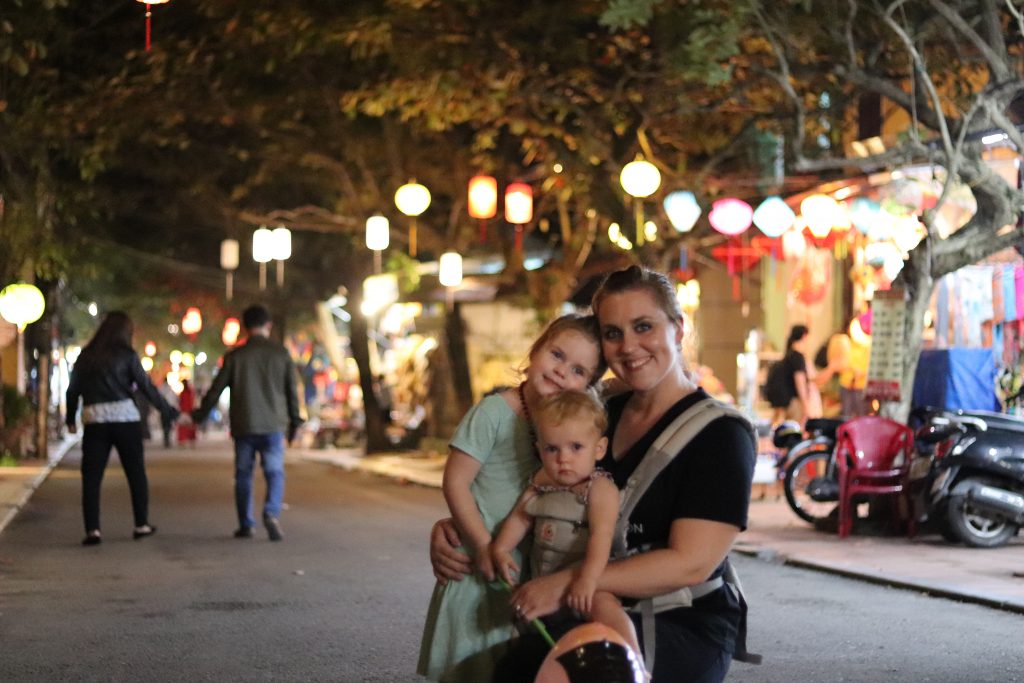
We soaked up the magical lanterns in Hoi An.

We figured out Tokyo’s subway system, the most advanced public transportation system we’ve ever seen.

We bought hats and gloves, because after spending the past two months in Thailand and Vietnam, Japan’s winter was freezing.

We cooked dinner on our one-burner stove in our Tokyo apartment.

We didn’t have an oven for our entire four months in Southeast Asia. We had no idea how to cook with the local ingredients. The grown-ups each lost 25 pounds. (Then we gained it back during quarantine.)

We spent Christmas Day in Tokyo Disneyland. And then went back four more times because it was that magical.

We went up the Tokyo Tower, which our four-year-old still refers to as the Eiffel Tower, oops.

I started designing and recording my Powerful Presentations online course.

I woke up early and stayed up late to speak on podcasts and do client consulting calls.

We spent New Year’s Day in Osaka.

View this post on Instagram

A post shared by Ann K. Emery 📊 (@annkemery) on Jan 1, 2020 at 3:51am PST

We drank butter beer at the Wizarding World of Harry Potter in Osaka.

We got our adrenaline pumping in Japan’s reptile cafes.

View this post on Instagram

Practicing living fearlessly, one python at a time 🐍

A post shared by Ann K. Emery 📊 (@annkemery) on Jan 19, 2020 at 4:30am PST

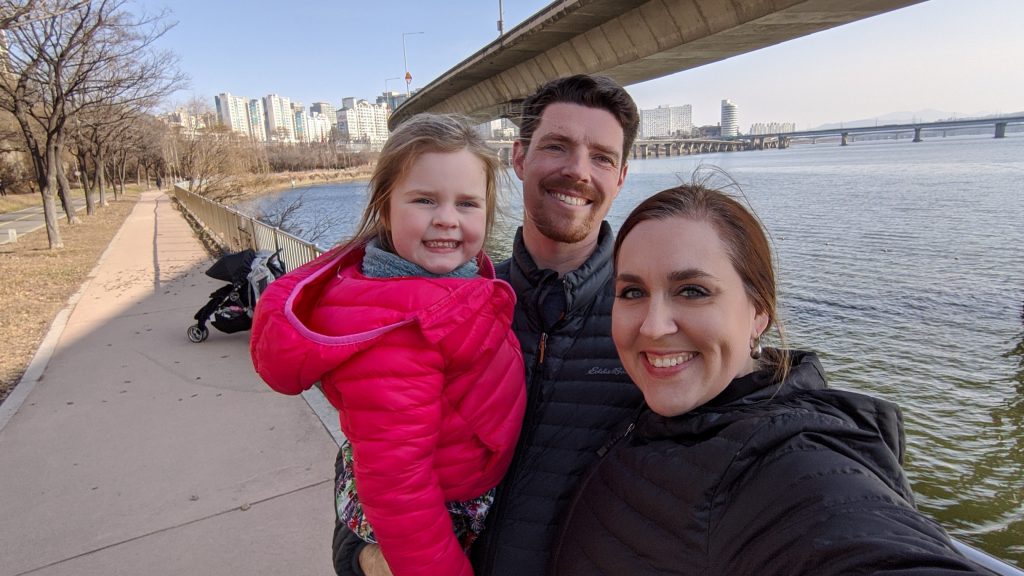
We flew to Seoul and instantly felt at home in the Washington, D.C.-esque vibe.

We marveled at the enormity and sophistication of Seoul.

I recorded more lessons for Simple Spreadsheets in between client consulting projects.

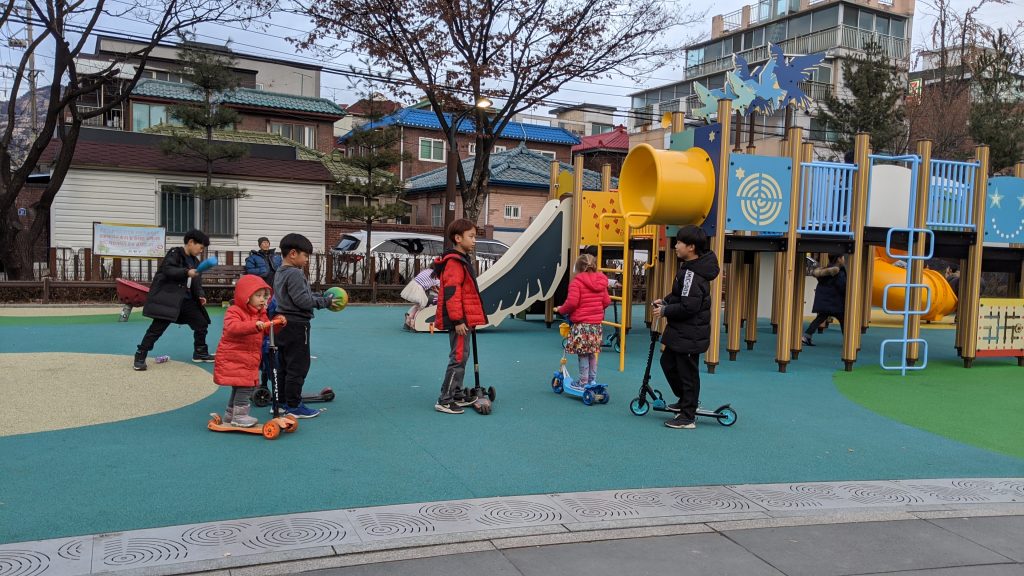
Our four-year-old joined the scooter gang at the playground across the street from our apartment.

We marveled at the parents’ patience as they taught us to say Korean greetings.

We felt so at home in Korea that we considered staying an entire year and enrolling our kids in school there.

And then, as soon as it began, it was time to cut out trip short and come home.

In January, we had become aware of the virus when our trip to Beijing was abruptly canceled.

By early February, Seoul started shutting down. Our Airbnb closed, along with most hotels, and we had nowhere to go. Delta booked us an immediate flight home, we shoved our clothes in our suitcases, and left a few hours later.

We spent three weeks in Oregon to visit my husband’s family.

I recorded interviews with data experts during the day while my husband ran Daddy School and visited his grandma and cousins.

We flew to California where I keynoted a conference, making sure to visit downtown San Francisco for a few hours before we headed to the airport.

I led workshops in the Washington, D.C. area.

Then the world paused.

We hunkered down in Orlando where our healthcare plan is based. If/when we need a hospital stay during this hellish pandemic, it’ll be cheaper to be sick here than anywhere else.

And then we hunkered down some more.

I never had big dreams to collect passport stamps. It was simply more practical to bring the family around the world with me on work trips vs. be homesick and feel like I was missing everyday moments like bath time. So we may not be traveling anywhere exotic right now… but that was never the point.

View this post on Instagram

A post shared by Ann K. Emery 📊 (@annkemery) on Apr 15, 2020 at 8:15pm PDT

What It’s Like Not Having a Home… During a Pandemic

We had initially planned to travel for two years (until our oldest daughter starts kindergarten).

But, one year into our two-year journey, this chapter has closed.

Am I frustrated that the virus ended my dreams of traveling with my family? Yes.

Am I grateful that we had the opportunity to travel at all? Absolutely.

It’s difficult for any family to hunker down and stay indoors for months, but it’s even more difficult when you’re in a rental that’s not your own. I need basic things, like a desk.

With nowhere to go, we’re buying a house!

We envisioned buying a house in Florida after two years of travel, so our timeline has simply been pushed up a year.

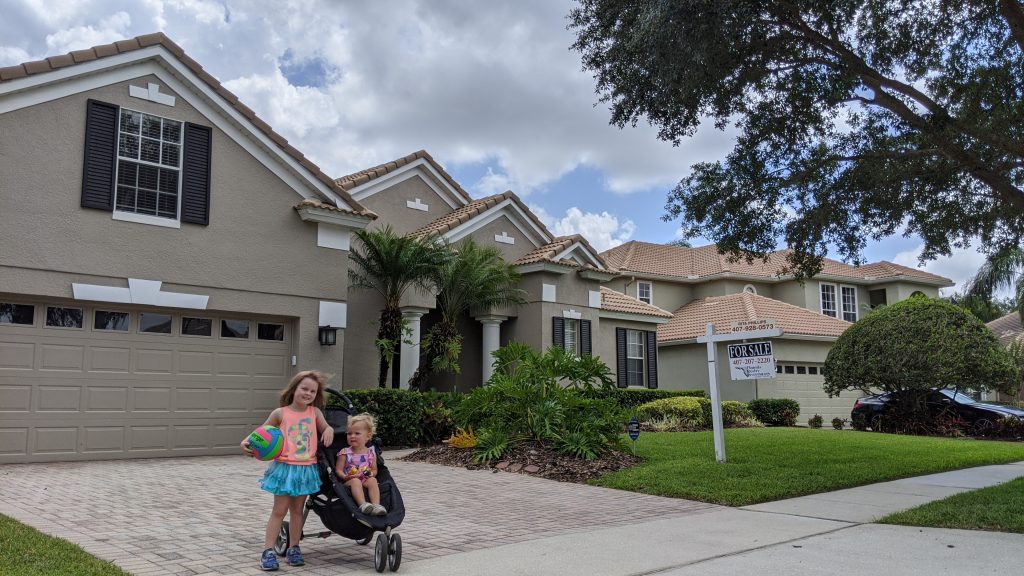
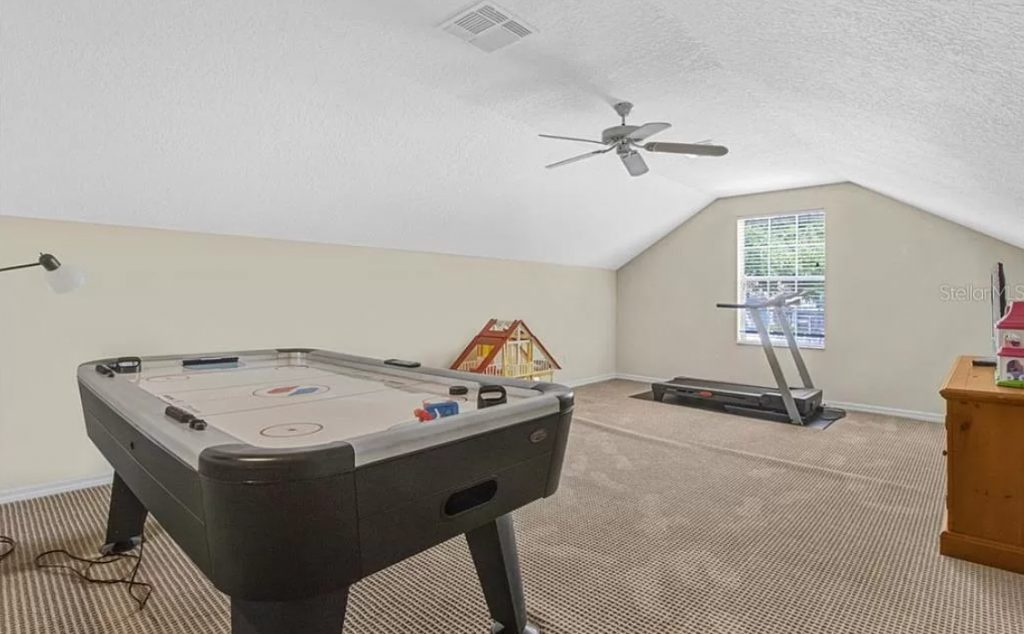
Do you see the window above the garage? Say hello to the new Depict Data Studio world headquarters! I can’t wait to start remodeling the studio space.

My Goal

I’m not here to convince anyone to sell all your stuff and travel the world.

This lifestyle is a perfect fit for my family. It could be a terrible fit for you.

My goal is to open your eyes about what’s possible.

Five years ago, I listened to a podcast where the guests were able to live anywhere they wanted because they could work remotely from their laptops. I was exposed to the terms “geoarbitrage,” “digital nomads,” and “full-time travel” for the first time.  

I remember thinking, “Oh, that’s nice. For them. But that’s n/a for me.”

But then… surprise! A few years later, as we were brainstorming how to continue doing my traveling job and have quality family time, the solution was simple: Geoarbitrage. Digital nomads. Full-time travel.

It’s also terribly sad to close this chapter of our lives so abruptly, and I want to commemorate it before moving on the next stage.

Frequently Asked Questions

Do you have health insurance? Yes, through healthcare.gov. It’s hella expensive, and was the #1 factor that kept my husband in his salaried job for so long. In the end, we decided that life is short. He resigned, and we paid for healthcare out of pocket.

How do you get mail? We pay for a mail forwarding service. There are dozens of companies that handle mail forwarding for nomadic families like RVers and cruise ship employees.

Do you have a driver’s license? Yes, we have domicile in Florida.

Florida—so you don’t pay state income taxes? And we get discounted Disney tickets.

Isn’t it expensive to travel full-time? No, it’s the same price as our previous life in a suburb outside of Washington, D.C. Some things are more expensive and other things are less expensive. For example, Airbnbs cost less than our old mortgage, and we don’t pay for any utilities since they’re included in the Airbnb fee. But healthcare is more expensive. I’m a spreadsheet person so I’ve tracked our household budget for years, and the overall cost of regular life vs. full-time travel is almost identical.

Isn’t it hard to travel with two young kids?? Sometimes, but they’ve figured it out. Kids are stronger and more resilient than we give them credit for.

Aren’t your kids… missing out??? Lololololololololololl what?

You look like you’re actually happy? Because I am.

It doesn’t seem like the pandemic has affected you much. No, aside from stealing my livelihood, cutting my dream of world travel in half, and fearing for the health and safety of everyone on the planet, I’m doing fine.

How did you figure all this out? YouTube and Instagram.

Wait, what? I still have so many questions. I share the behind-the-scenes details of what it’s like to travel and run a business in my Instastories: https://www.instagram.com/annkemery/

Was It Worth It?

I don’t miss our houses.

I don’t miss our cars.

(I do miss my bicycle! And my desk.)

I don’t miss the DVDs or TVs.

I don’t miss my pantyhose, purses, or shoes.

But I would’ve missed their childhood.

A few months of hustling to downsize our belongings… for a lifetime of dancing together on the beach. What a fair trade.

Written by cplysy · Categorized: depictdatastudio

May 22 2020

Comment on Can evaluators be the bridge in the research-practice gap? by Dana Wanzer

In reply to Allison Titcomb.

Certainly, thinking of evaluation as a transdiscipline or the alpha discipline that Scriven describes is one reason why I think evaluation can inform research-practice partnerships. I think it’s also just the consultancy nature of what we do and the importance we place on interpersonal factors. like communication and relationship building.

Written by Dana Wanzer · Categorized: danawanzer

May 22 2020

Will they say yes (pre-pandemic and now)?

Upon commencing a study that requires intercepting visitors on the museum floor, we are often asked by staff (sometimes nervously), “Will people say yes to participating in a survey, interview, etc.?”  Our answer is always yes, and we often state that you would be surprised how many agree to participate.  Generally about 65 to 80 percent of people that we recruit (in person, at a museum) will say yes to participating in research and evaluation.  A podcast I listened to recently from Hidden Brain called “The Influence You Have: Why We Fail to See Our Power Over Others” underscored this from a psychological perspective.

The podcast highlights the research of Vanessa Bohns, a psychologist at Cornell University, who has studied the influence of a stranger over another person.  In her studies, Bohns has asked research assistants to make various requests from a stranger (using their phone, money, etc.).  In the studies, the research assistants were asked to predict how often people will say yes to their request.  Findings reveal that research assistants often underestimated their influence on strangers.

The podcast host Shankar Vedantam summarizes Bohns’ reflections on her studies, which stemmed from her own experience as an anxious student research assistant collecting data in New York City’s Penn Station:

“It felt difficult [making requests of strangers] because she had seen the interaction only from the point of view of her own insecurities. She hadn’t seen the encounters through the point of view of the people she was asking for help. From their perspective, an anxious young woman was asking for something trivial. They had to weigh whether to put aside what they were doing and help her for a few minutes. If they said no, it could make them look like jerks….It’s absolutely true that many of us are influenced by situations, that many of us will do things because the situation prompts it.”

As a researcher and evaluator, this evidence is all quite positive and helps to account for our 65 to 80 percent response rate.  But as Vedantam notes, our power of influence comes with responsibility, which I think is particularly true in our COVID-19 world.  It is likely that when museums open, people will still agree to participate in studies based on the power of influence.  They want to help.  So it is up to us as researchers and evaluators to make sure we are inviting them into encounters that are safe for us and them.  It is our ethical responsibility to understand and wield our power of influence with care.

Malte Mueller/Getty Images/fStop at NPR podcast link: https://www.npr.org/2020/02/20/807758704/the-influence-you-have-why-were-blind-to-our-power-over-others

The post Will they say yes (pre-pandemic and now)? appeared first on RK&A.

Written by cplysy · Categorized: rka

May 21 2020

Gran #TwitterChat sobre #Eval4Action

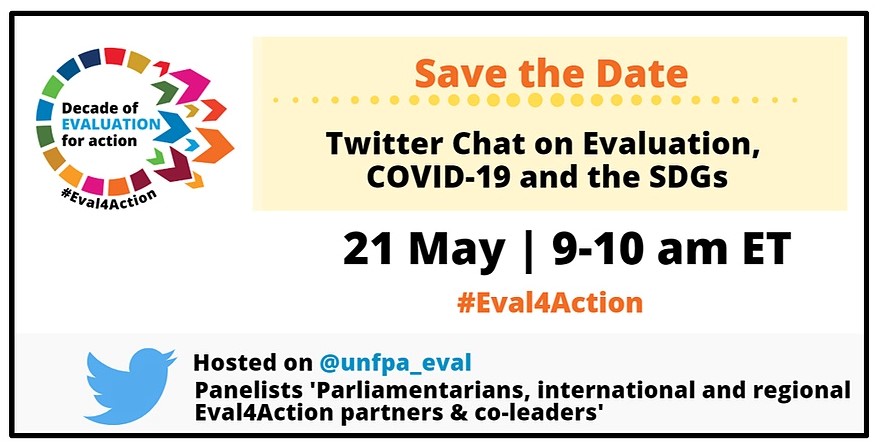
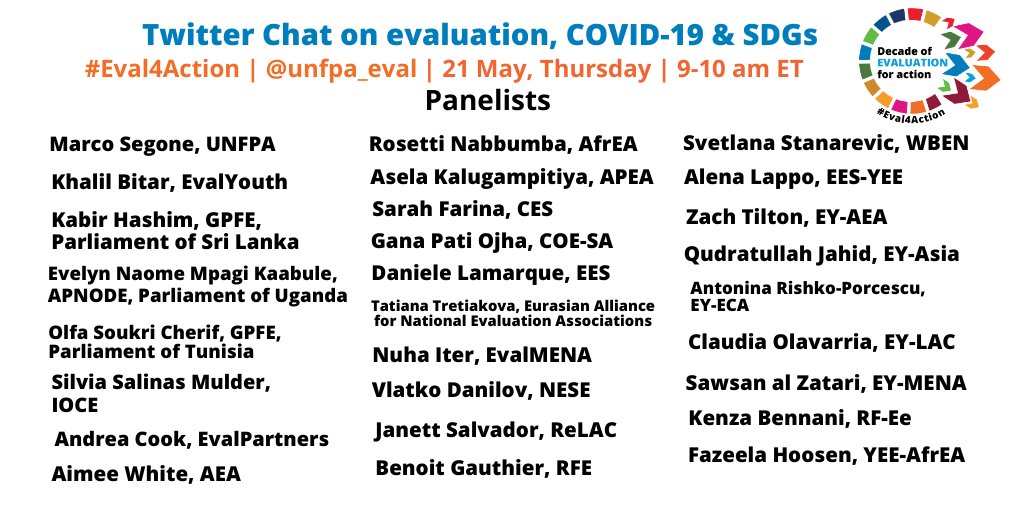
Hoy, la comunidad de evaluación internacional tuvimos un gran intercambio de ideas desde la campaña #Eval4Action. Tod@s somos aliados para lograr estos objetivos. Ha sido una experiencia trepidante al ritmo de este #TwitterChat sobre #Eval4Action No será fácil recopilar tanto, espero que lo hagan pronto, escuchemos.

A continuación las preguntas del #TwitterChat, lo que fueron mis respuestas, y añadiré más adelante algunas de las que considero mejores respuestas. Les animo a visitar el sitio de discusión.

Q1. El Secretario General de las Naciones Unidas ha lanzado una “Década de Acción” para acelerar el logro de los ODS para 2030. ¿Por qué la evaluación es un acelerador para lograr los ODS, incluso durante la crisis sanitaria y socioeconómica de COVID-19?

A.1.1 # La evaluación contribuye a la rendición de cuentas, el aprendizaje y la toma de decisiones basadas en la evidencia en apoyo de la Agenda 2030 y los ODS #Eval4Action #TwitterChat

A.1.2 La #evaluación contribuye a la rendición de cuentas, el aprendizaje y la toma de decisiones basadas en la evidencia en apoyo de la respuesta #COVID19 a corto, mediano y largo plazo

Q2. ¿Cómo puede contribuir la evaluación a acelerar el progreso hacia los ODS, incluso durante la crisis socioeconómica y de salud de COVID-19? #Eval4Action #DecadeOfAction #VOPEs

A.2 La #evaluación puede fortalecer aprendizaje y rendición de cuentas para mejorar la relevancia, la coherencia, la eficacia, la eficiencia, la sostenibilidad y el impacto de los procesos hacia los #SDG, incluso durante la crisis sanitaria y socioeconómica #COVID19

Q3. ¿Cuál es el papel de los evaluadores y los encargados de formular políticas para garantizar que la evaluación contribuya al progreso hacia los ODS, incluso durante la crisis socioeconómica y de salud de COVID-19?

A.3.1 L@s #Evaluador@s y #Polític@s deben (a) proporcionar liderazgo y capacidades (b) para asegurar #rigor, #independencia #credibilidad, #legitimidad, #uso, #utilidad & #participación (c) para #aprendizaje y #rendiciondecuentas contribuir al progreso hacia los #ODS

A.3.2 L@s #Evaluador@s y #Polític@s deben (a) proporcionar liderazgo y capacidades (b) para asegurar #rigor, #independencia #credibilidad, #legitimidad, #uso, #utilidad & #participación (c) para #aprendizaje y #rendiciondecuentas en la respuesta a crisis #COVID19


Written by cplysy · Categorized: TripleAD

  • « Go to Previous Page
  • Go to page 1
  • Interim pages omitted …
  • Go to page 263
  • Go to page 264
  • Go to page 265
  • Go to page 266
  • Go to page 267
  • Interim pages omitted …
  • Go to page 310
  • Go to Next Page »

Footer

Follow our Work

The easiest way to stay connected to our work is to join our newsletter. You’ll get updates on projects, learn about new events, and hear stories from those evaluators whom the field continues to actively exclude and erase.

Get Updates

Want to take further action or join a pod? Click here to learn more.

Copyright © 2026 · The May 13 Group · Log in

en English
af Afrikaanssq Shqipam አማርኛar العربيةhy Հայերենaz Azərbaycan dilieu Euskarabe Беларуская моваbn বাংলাbs Bosanskibg Българскиca Catalàceb Cebuanony Chichewazh-CN 简体中文zh-TW 繁體中文co Corsuhr Hrvatskics Čeština‎da Dansknl Nederlandsen Englisheo Esperantoet Eestitl Filipinofi Suomifr Françaisfy Fryskgl Galegoka ქართულიde Deutschel Ελληνικάgu ગુજરાતીht Kreyol ayisyenha Harshen Hausahaw Ōlelo Hawaiʻiiw עִבְרִיתhi हिन्दीhmn Hmonghu Magyaris Íslenskaig Igboid Bahasa Indonesiaga Gaeilgeit Italianoja 日本語jw Basa Jawakn ಕನ್ನಡkk Қазақ тіліkm ភាសាខ្មែរko 한국어ku كوردی‎ky Кыргызчаlo ພາສາລາວla Latinlv Latviešu valodalt Lietuvių kalbalb Lëtzebuergeschmk Македонски јазикmg Malagasyms Bahasa Melayuml മലയാളംmt Maltesemi Te Reo Māorimr मराठीmn Монголmy ဗမာစာne नेपालीno Norsk bokmålps پښتوfa فارسیpl Polskipt Portuguêspa ਪੰਜਾਬੀro Românăru Русскийsm Samoangd Gàidhligsr Српски језикst Sesothosn Shonasd سنڌيsi සිංහලsk Slovenčinasl Slovenščinaso Afsoomaalies Españolsu Basa Sundasw Kiswahilisv Svenskatg Тоҷикӣta தமிழ்te తెలుగుth ไทยtr Türkçeuk Українськаur اردوuz O‘zbekchavi Tiếng Việtcy Cymraegxh isiXhosayi יידישyo Yorùbázu Zulu