• Skip to main content
  • Skip to footer
  • Home

The May 13 Group

the next day for evaluation

  • Get Involved
  • Our Work
  • About Us
You are here: Home / Archives for allblogs

allblogs

Nov 02 2020

Five years!

Five years ago this week, I took the leap. 

I was a Community School Coordinator (CSC) in Baltimore and a doctoral student, and it was time for a change. 

You see, my data tracking spreadsheets were starting to catch on among other CSCs. I kept thinking, “How amazing would it be if helping schools use data to track and improve their engagement efforts could be my JOB?”

The problem was, that job didn’t seem to exist. So I made it myself.

After much research, networking, and careful planning, I officially started Structured Solutions in November 2015 and went full-time after the new year. 

What a journey it has been! Owning a business surely has its ups and downs, but there have been far more ups for me. 

Over the past five years, I have: 

  • Worked with approximately 20 organizations in 10 different states (see the map below);
  • Presented at six national conferences or virtual events and four state conferences or events;
  • Built a national network of fellow evaluators and family engagement experts; 
  • Gotten to be creative and follow my passions; and
  • Been honored to support and empower the people doing the REAL work helping children and families thrive. 

While I am a “solopreneur,” if you will, I certainly could not have done this alone. What I feel this week is gratitude for the people who took chances on me, supported me, and challenged me, as well as for the many opportunities that I have been given. ​

I am excited for what the next five years bring. 

P.S. PLEASE VOTE TOMORROW!

Written by cplysy · Categorized: engagewithdata

Oct 30 2020

Participatory Evaluation (Easy 4-H Example)

Written by cplysy · Categorized: connectingevidence

Oct 28 2020

La fuerza: Admitir nuestro fracaso en la respuesta al COVID

Fuente https://www.intracen.org/uploadedImages/intracenorg/Content/Redesign/Audience/policy_makers/

Es difícil para las instituciones públicas y organizaciones de desarrollo reconocer que no cumplimos con nuestras metas y objetivos; es tan difícil confrontarse a cómo la opinión pública o los financiadores reaccionarán ante tal fracaso (aunque no nos preguntamos tanto acerca de la opinión de l@s beneficiari@s de nuestras acciones). La paradoja es que hacemos todo lo posible para evitar hablar de las situaciones de fracaso, aunque (en teoría) todos sabemos que el fracaso es el mejor maestro y tenemos que estar abiertos y hablar sobre nuestros fracasos para poder aprender. Más que eso, reconocer abiertamente el fracaso es a menudo un catalizador para la innovación que hace que nuestro trabajo sea bueno o excelente.

Para abordar este enigma, necesitamos un cambio de paradigma en la forma en que la sociedad civil ve el fracaso. Esto podría comenzar con un diálogo abierto y honesto sobre lo que funciona y lo que no es así. De la mism forma que ya contamos que se propone en el sitio “Admitting Failure” para respaldar y alentar a las organizaciones a (no sorprendentemente) admitir el fracaso.

El miedo, la vergüenza y la intolerancia al fracaso llevan nuestro aprendizaje a la clandestinidad y obstaculizan la innovación.

El cambio de paradigma es así : El fracaso es la fuerza. Las organizaciones más eficaces e innovadoras son aquellas que están dispuestas a hablar abiertamente sobre sus fracasos porque el único fracaso realmente “malo” es el que se repite.

Quizás algo así podríamos hacer con nuestra respuesta al COVID, añadir tantas historias de fracaso, reconocer nuestros fracasos y, al mismo tiempo, encontrar los incentivos para cambiar, como personas y como sociedad, nuestra reacción ante ese fracaso, de cara a aprender, mejorar y terminar cuanto antes con esta pesadilla cíclica…

Written by cplysy · Categorized: TripleAD

Oct 28 2020

Practice Proximity


Six Hacks for Renovating Your Evaluation Report

Part 3

This series of posts walks you through how to reno your evaluation reports using six of Canva’s design lessons. Part 1 focused on how to take your audience on a journey using storytelling techniques. Part 2 focused on how to format your report with a consistent, cohesive look using colour and font. Part 3 in this six-part series focuses on formatting your report by grouping and spacing elements in your report to enhance readability.

In this blog series we have talked a bit already about how our brains like to consume information. In a nutshell, human brains crave visual cues – they are constantly searching for patterns to make learning easier. Let’s dig a bit deeper into human perception and explore how simply arranging elements on a page can make all the difference when it comes to engaging your audience in your report.


Gestalt Principles

Does this image look familiar? 

Picture1.png

The image above is called Rubin’s Vase; it can either be seen as a vase-like object or as two faces. The Rubin Vase was made famous by Gestalt psychologists. Gestalt psychologists are known for their research that attempts to understand perception and how the human eye perceives visual elements. In fact, they have come up with a number of principles that describe how the human eye perceives visual elements. Gestalt principles explain how our eyes perceive shapes as a single, unified form rather than separate elements. Rubin’s Vase is an example of that – our brains tricking our eyes into perceiving interesting wholes out of seemingly meaningless individual elements. The figure below illustrates the Gestalt principles. The principle we are going to focus on in this article to create more accessible, readable reports is, you guessed it, proximity!


The Principle of Proximity

The principle of proximity states that objects that are close together are perceived as a group. The shapes of the left appear to have no relation, but when we organize them together, they are no longer viewed as separate objects but groupings. We can easily leverage this principle in our reporting by 1) grouping like things together, and 2) embracing white space. Let’s take a look at how we reno’d a recent report using proximity principles. 

Screen Shot 2020-10-27 at 1.21.23 PM.png


Grouping Like Things

Reports are often comprised of text. Grouping text is best done through sensible paragraph use – one topic with one objective to prove. Below are two images from a recent report we drafted.

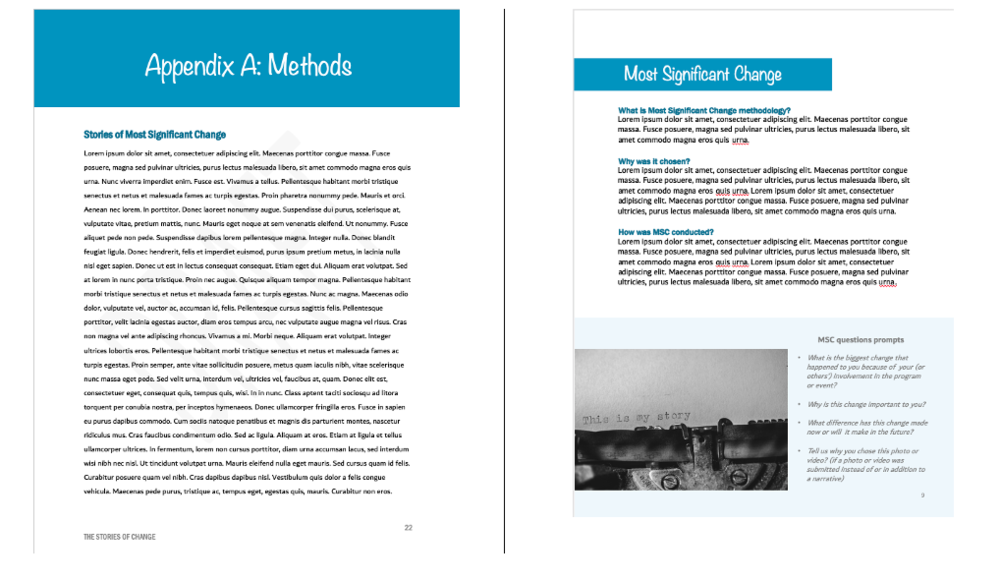
The image on the left shows the initial draft of a recent report where we dumped a bunch of text onto the page as part of our writing process. When we went to format the draft, we took that text and used the proximity principle to separate the text into three topic areas. As discussed in the last article, headings help with readability; however, even without the headings you can see the grouped text in separate paragraphs helps our reader understand that the information grouped together is similar but different from the other paragraphs.  

Screen Shot 2020-10-27 at 1.22.07 PM.png

The image on the right also illustrates how call out boxes can be used to delineate information by grouping it to one area of a page. We wanted our readers to know the questions we asked participants and so we grouped the questions in a call-out box and then grouped each question together in a bullet within the call-out box. By grouping the questions together into a bulleted list, readers can easily identify each question as opposed to including them in a paragraph above.

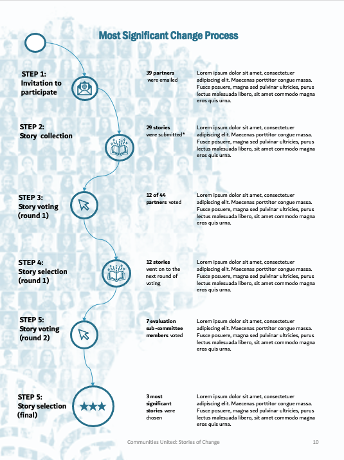
In addition to describing the most significant change (MSC) methodology we wanted to show how we implemented it. The image below illustrates our MSC process. You can see that we didn’t use borders around the steps or lines connecting the descriptions to the steps. We didn’t need to clutter up the illustration with those elements because we used the proximity principle. Our eyes can look at the groupings of text on the right and see that they are separate steps because they are separated by space.

Picture4.png


Embracing White Space

The second way to practice proximity is to embrace white space. We want to practice proximity, but not to the point where we group too many things together and end up with a busy report. White space is your counterbalance to report busyness; it is the areas between the elements on a page. When I open a report and there are pages and pages cramped with text, graphs and other items, I want to close it as quickly as I opened it. I get the same feeling when I enter a room full of furniture, pictures and other clutter – overwhelmed and wanting to leave. White space creates the visual breathing room your audience needs to capture and hold your audience’s attention.

Picture5.png

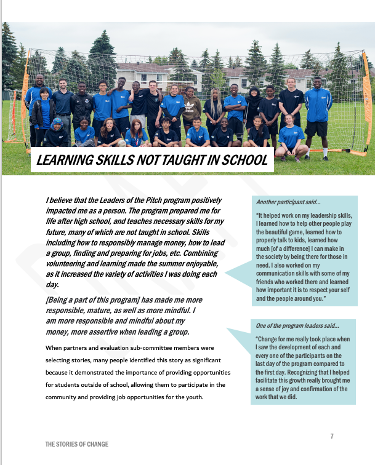
Creating white space is perhaps one of the easiest but most effective ways I use to format a report. The following images show the same report described above. The image on the left shows the original page from a draft of the report. You can see there was a lot going on.

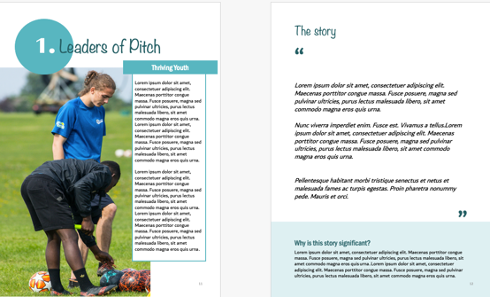
The two pages below illustrate how we infused some white space to simplify how the same information was communicated. It can sometimes add length but since it helps to engage my audience I make that trade-off every time.

Picture6.png


Take a look at some of the reports you are creating. Are there opportunities to practice proximity? Try it out and make sure to stay tuned for the fourth article in our six-part series, “Make it pop” where I show you how to highlight the most important takeaways in your report by playing up differences.

Article thumbnail image source: Canva


Sign up for our newsletter

We’ll let you know about our new content, and curate the best new evaluation resources from around the web!


We respect your privacy.

Thank you!


Written by cplysy · Categorized: evalacademy

Oct 28 2020

Halloween Cartoons 2020 Edition

Happy weirdo 2020 Halloween everyone!

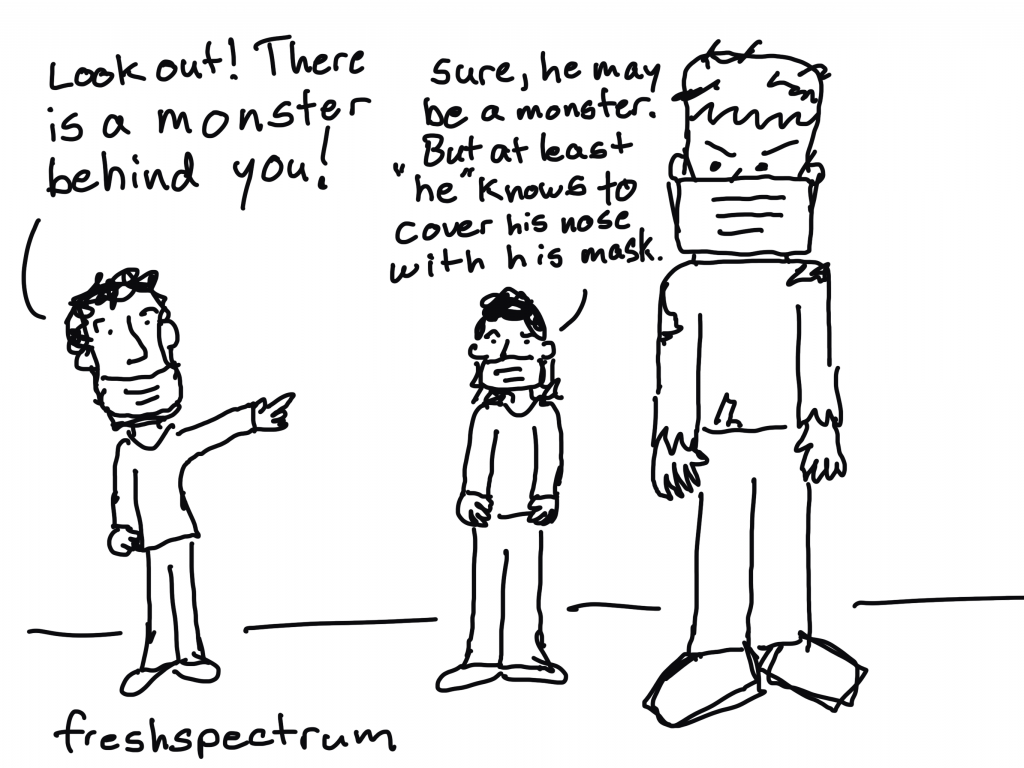
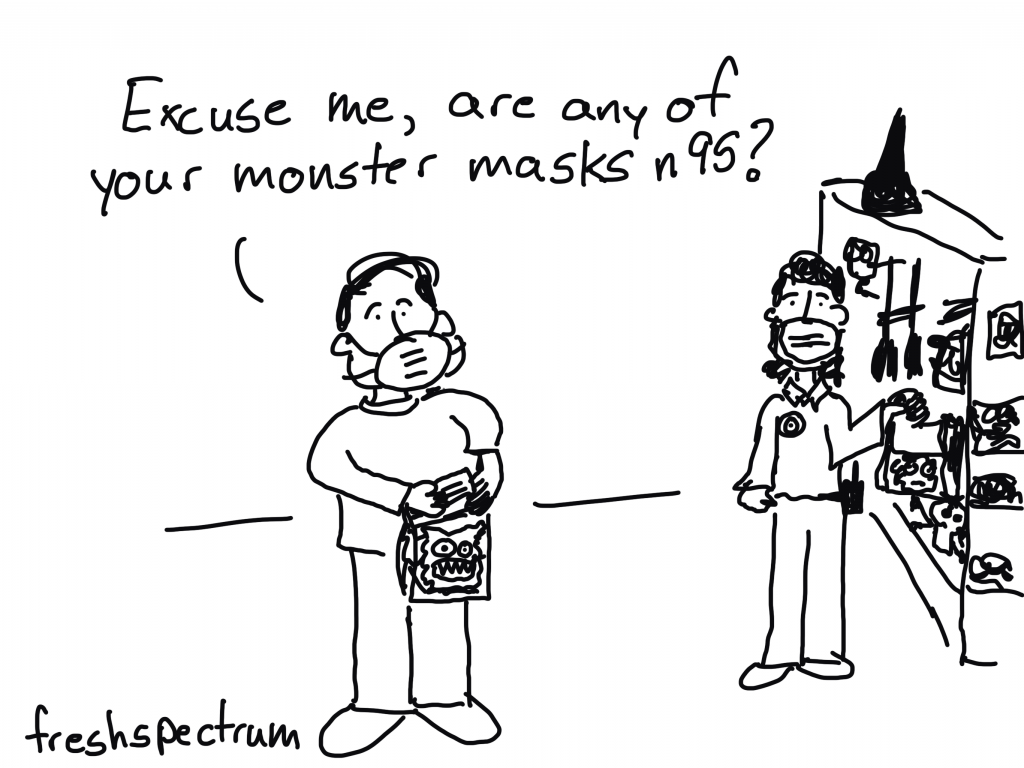
Mask Wearing Monster

Which one is really the monster?

Also, it’s hard to remember to cover the nose when drawing cartoon characters with masks.

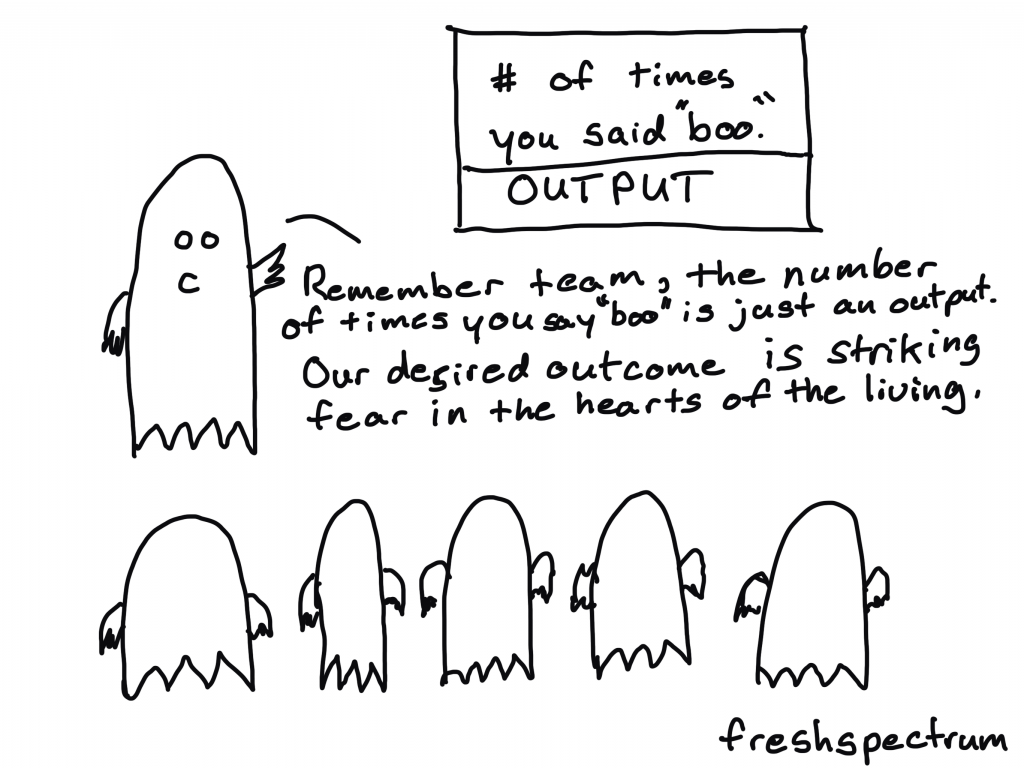
A boo is an output

Not sure how many output/outcome cartoons a single illustrator needs to draw. But here is another seasonal version.

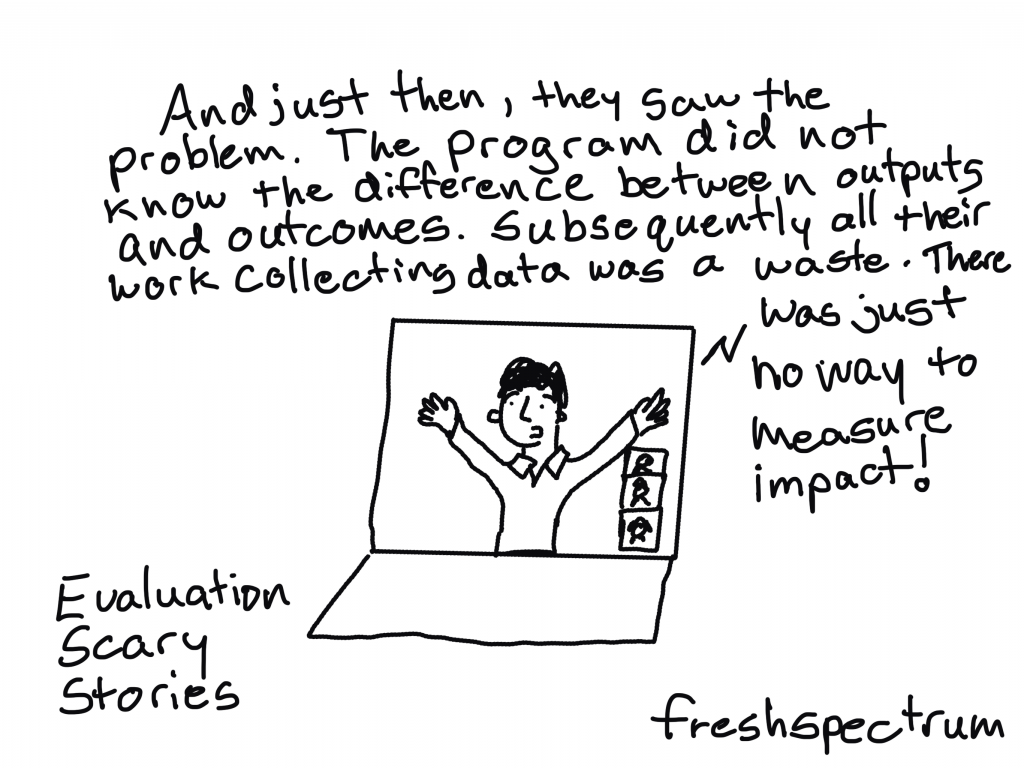
Oh no, we only have output data!

You know, I could probably do a whole book just riffing on outputs and outcomes. It would likely not be that good, but when has that ever stopped anyone.

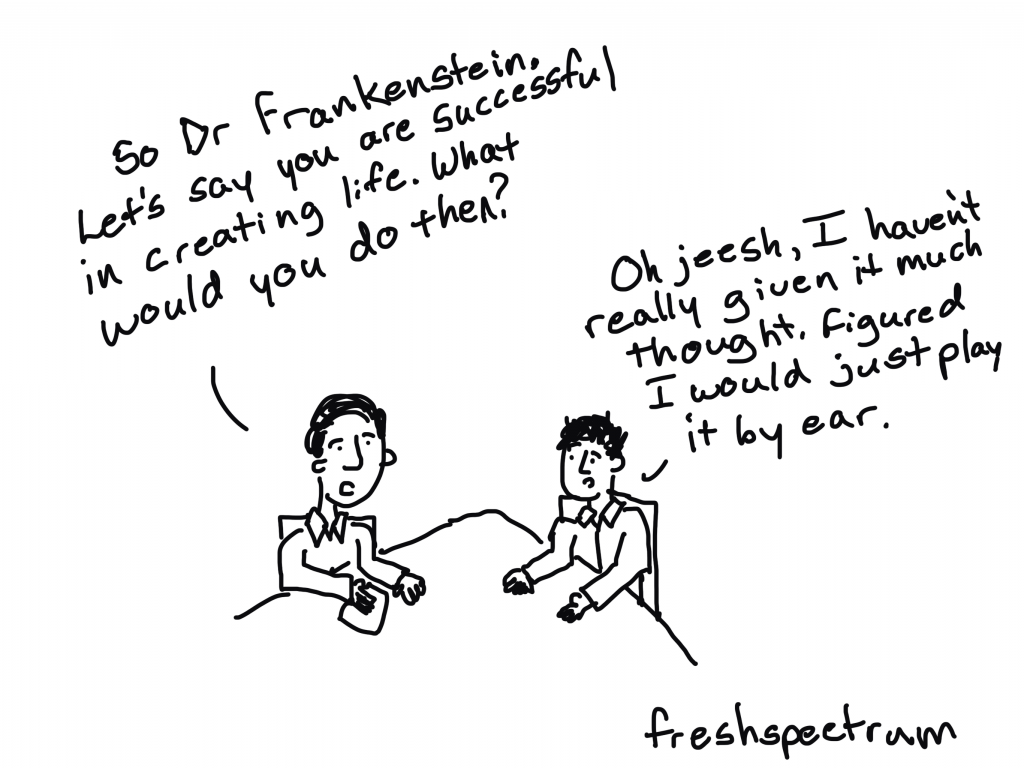
The candid conversation Dr. Frankenstein needed.

So I read the original Frankenstein for the first time last week.

Couldn’t help but think things would have gone way differently if Dr. Frankenstein had chosen to work with an evaluator before creating his monster.

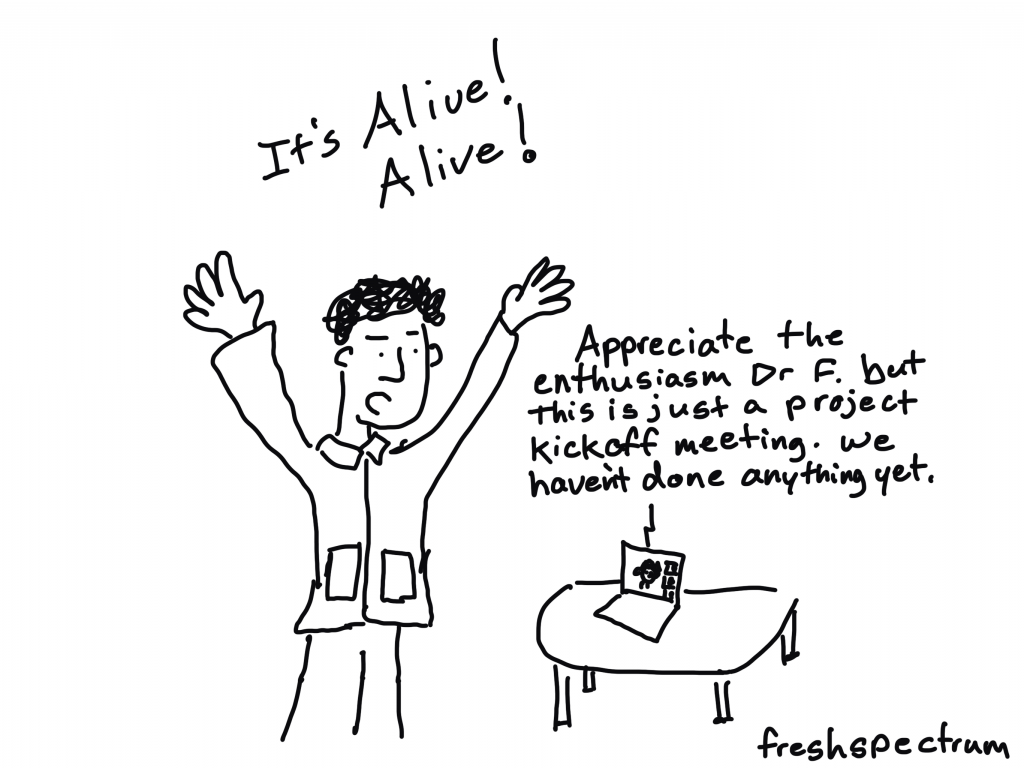
It’s Alive! Alive!

Thinking about Frankenstein’s work as if it were a program made me think about the kickoff meeting.

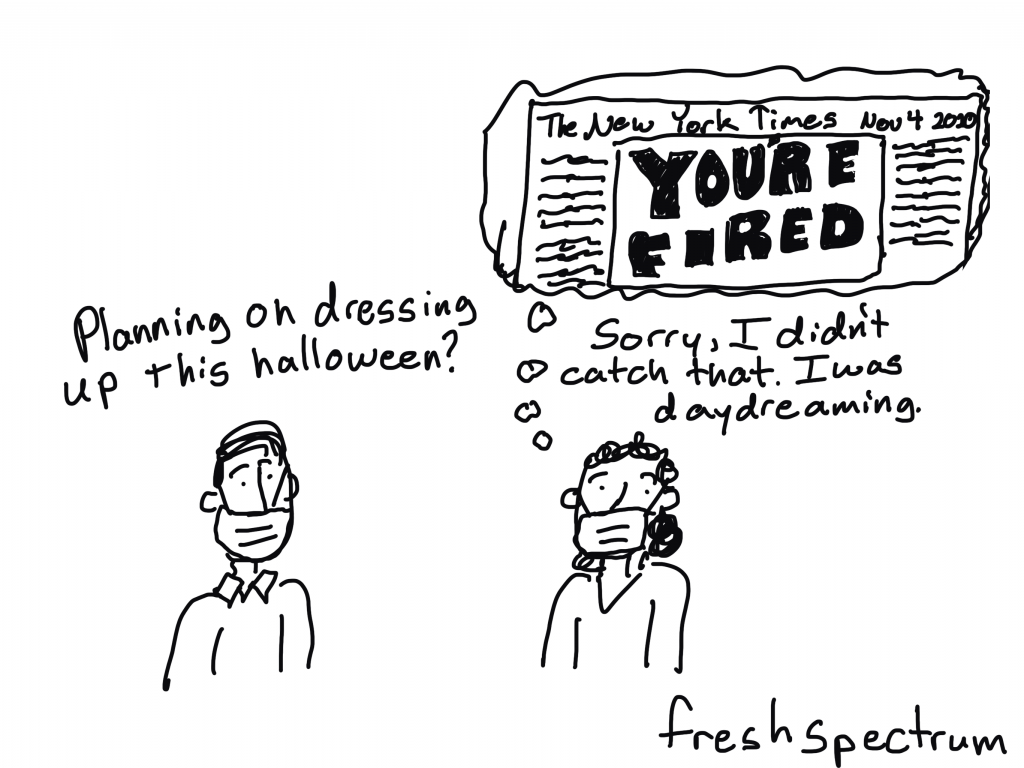
Been a little preoccupied this year.

This might not come as a surprise, but to be clear, I am one of those optimistic but anxiety-filled democrats you read about in the papers.

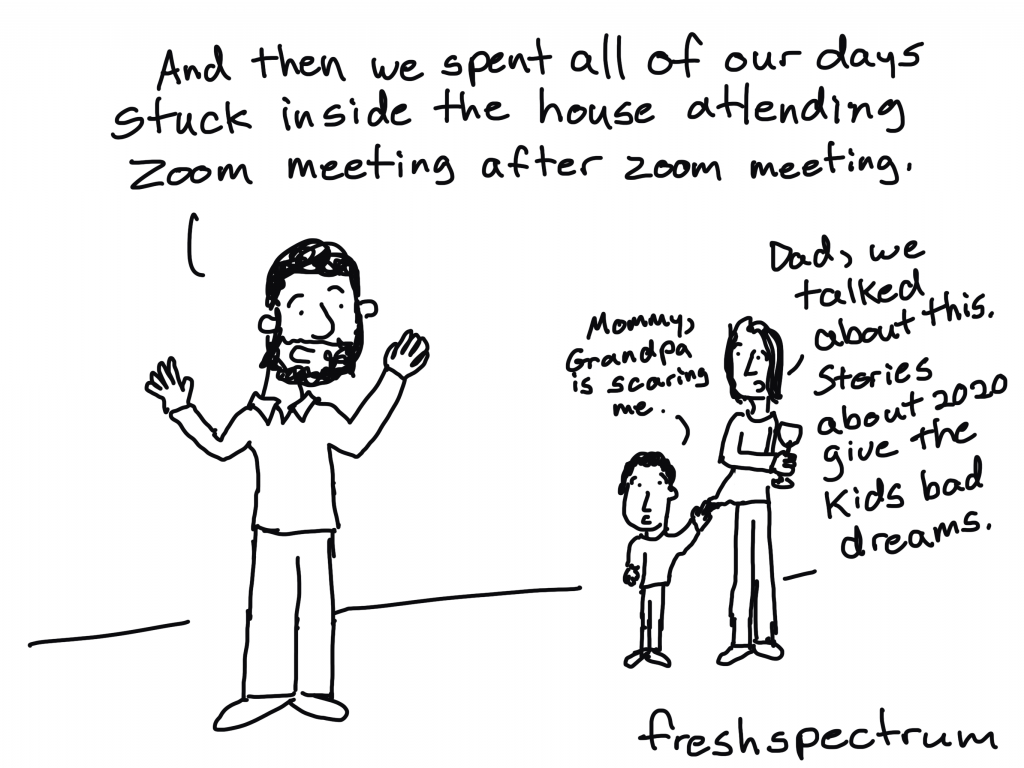
Yes, 2020 is scary.

But I think it would be much scarier if we didn’t see any real positive changes as a result of our collective experiences.

Coming in 2021?

As an aside, this seems like a real missed market opportunity.

ALL the Cartoons

So I just put a post up for all of my Patrons. In post there is a dropbox folder.

In that dropbox folder there are around 2,500 cartoons and illustrations. Pretty much everything I’ve drawn in one place (good, bad, published, unpublished).

Now is not a bad time to become a Patron of mine. Not only do you get access to ALL the Cartoons, join at even the lowest level and you’ll also get put into a drawing for an autographed copy of my book.

And at the higher levels, no drawing necessary, I’ll just send you the book.

Written by cplysy · Categorized: freshspectrum

  • « Go to Previous Page
  • Go to page 1
  • Interim pages omitted …
  • Go to page 225
  • Go to page 226
  • Go to page 227
  • Go to page 228
  • Go to page 229
  • Interim pages omitted …
  • Go to page 310
  • Go to Next Page »

Footer

Follow our Work

The easiest way to stay connected to our work is to join our newsletter. You’ll get updates on projects, learn about new events, and hear stories from those evaluators whom the field continues to actively exclude and erase.

Get Updates

Want to take further action or join a pod? Click here to learn more.

Copyright © 2026 · The May 13 Group · Log in

en English
af Afrikaanssq Shqipam አማርኛar العربيةhy Հայերենaz Azərbaycan dilieu Euskarabe Беларуская моваbn বাংলাbs Bosanskibg Българскиca Catalàceb Cebuanony Chichewazh-CN 简体中文zh-TW 繁體中文co Corsuhr Hrvatskics Čeština‎da Dansknl Nederlandsen Englisheo Esperantoet Eestitl Filipinofi Suomifr Françaisfy Fryskgl Galegoka ქართულიde Deutschel Ελληνικάgu ગુજરાતીht Kreyol ayisyenha Harshen Hausahaw Ōlelo Hawaiʻiiw עִבְרִיתhi हिन्दीhmn Hmonghu Magyaris Íslenskaig Igboid Bahasa Indonesiaga Gaeilgeit Italianoja 日本語jw Basa Jawakn ಕನ್ನಡkk Қазақ тіліkm ភាសាខ្មែរko 한국어ku كوردی‎ky Кыргызчаlo ພາສາລາວla Latinlv Latviešu valodalt Lietuvių kalbalb Lëtzebuergeschmk Македонски јазикmg Malagasyms Bahasa Melayuml മലയാളംmt Maltesemi Te Reo Māorimr मराठीmn Монголmy ဗမာစာne नेपालीno Norsk bokmålps پښتوfa فارسیpl Polskipt Portuguêspa ਪੰਜਾਬੀro Românăru Русскийsm Samoangd Gàidhligsr Српски језикst Sesothosn Shonasd سنڌيsi සිංහලsk Slovenčinasl Slovenščinaso Afsoomaalies Españolsu Basa Sundasw Kiswahilisv Svenskatg Тоҷикӣta தமிழ்te తెలుగుth ไทยtr Türkçeuk Українськаur اردوuz O‘zbekchavi Tiếng Việtcy Cymraegxh isiXhosayi יידישyo Yorùbázu Zulu